


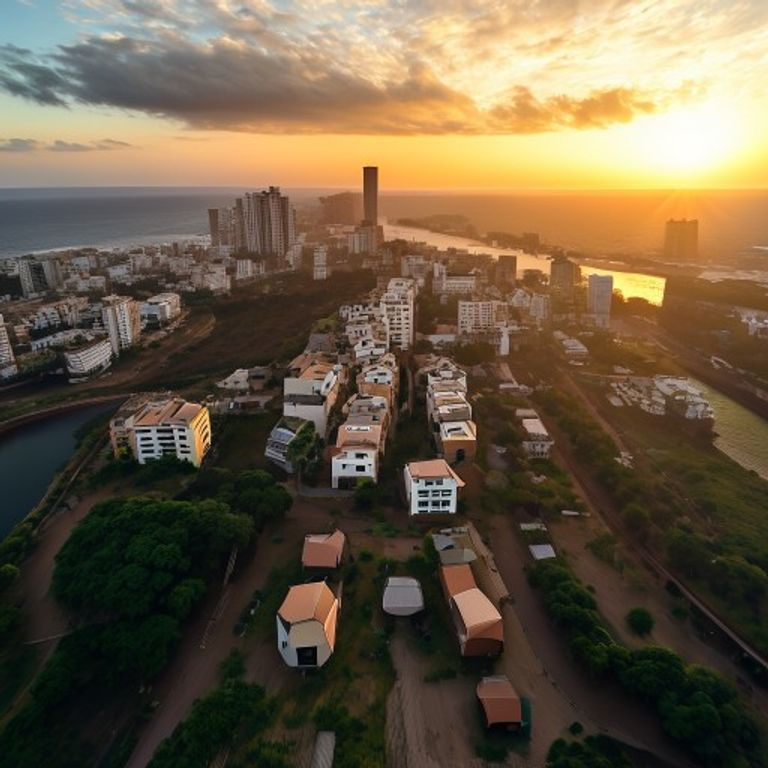
This municipality in the State of Rio Grande do Sul is the center of literature produced by descendants of Italian immigrants, with works that narrate the epic of colonization, work in the vineyards, and the formation of the Serra Gaúcha.
⚠️ Research elaborated with the aid of Deep Research is subject to referential ambiguity.
🖥️Clean HTML code using a proprietary tool.
👥 Research by Guilherme Felipe, Curation by Sílvio Lôbo
The literature of a region is the mirror in which its histories, struggles, identities, and daydreams are reflected. Caxias do Sul, the vibrant metropolis of Serra Gaúcha, is no exception. Shaped by strong Italian immigration and a spirit of work and progress, the city has developed a literary production that, although sometimes underestimated in national panoramas, reveals a unique richness, deeply rooted in its cultural soil. As a literary critic and researcher, I propose a dive into the Caxian literary waters, exploring its authors, movements, and the resonance of local identity in its pages.
The Roots of Writing: Immigration and Memory
The foundation of Caxian literature is inextricably linked to the saga of European immigrants, especially Italians, who colonized the region from the late 19th century. The first literary manifestations, often oral or in rudimentary records, were ways to preserve the memory of the "old country," to narrate the journey, and to document the challenge of the new land. Nascent literature, therefore, carried the weight of nostalgia, the celebration of hard work, and the construction of a new identity, hybridized between European heritage and the Brazilian context.
This initial period did not form structured movements, but rather a proliferation of voices that, unsystematically, recorded daily life, religious festivals, customs, and difficulties. Chronicles in local newspapers, popular poetry, and autobiographical accounts formed the embryonic body of a literature that sought to give voice to the collective and individual experience of settlement and construction.
Emblematic Authors and Their Constellations
Literary Caxias do Sul is dotted with names that stood out for their originality, depth, and the way they captured the soul of the region. Here are some of the most prominent:
- José Clemente Pozenato: Undoubtedly, one of the pillars of Caxian prose. His work, which includes titles such as O Caso do Martelo and O Dia da Caça, delves into the history and social conflicts of the region, often exploring the universe of immigration and its consequences. Pozenato has the ability to transform historical facts into engaging narratives, with complex characters and an astute eye for human and social tensions. His work is fundamental to understanding the identity formation of the Serra Gaúcha.
- Carlos Reverbel: Although not born in Caxias, Reverbel had a strong connection with Rio Grande do Sul, and his work as an essayist and chronicler is of great relevance. His texts, full of erudition and style, contribute to the Gaúcho intellectual landscape, and his attentive gaze at culture and history resonates with the Caxian search for identity.
- Maria Benedita da Silveira (Dita Silveira): A striking poetic voice. Dita Silveira, with her sensitive and introspective poetry, often evokes landscapes, feelings, and memories that dialogue with the experience of living in the Serra. Her work is a lyrical counterpoint to the more historical prose, revealing the beauty and melancholy of everyday life.
- Alfredo Fedrizzi: More of a historian than a literary figure in the strict sense, his production, however, is vital to local literature. His research and historical chronicles provide the backdrop and raw material for many other authors, besides being captivating narratives about the formation of Caxias do Sul in themselves.
- Delmo Argiles: A poet of concise and impactful verses. His poetry, sometimes minimalist, manages to touch on universal and local themes, with refined language and a keen sensitivity for the human and the natural.
- Cintia Moscovich: Representing a more contemporary generation, Moscovich transcends strict regionalism, achieving national and international recognition. Her prose is visceral, restless, and addresses complex themes of the human condition. Although her themes are universal, the sensitivity and perspective that forge her writing are undeniably nourished by her Caxian roots, manifesting in characters and settings that, even if not explicit, carry the atmosphere of the region.
- Mônica Montanari: Another important contemporary voice, Montanari has explored in her fiction the nuances of urban life in Caxias, modern relationships, and the existential issues that permeate contemporary life, showing the thematic diversification of local literature.
Publications and Literary Spaces
The sustenance and flourishing of literature in Caxias do Sul have been driven by various initiatives and spaces:
- Local Newspapers: From the early days, periodicals such as Correio Riograndense, Pioneiro, and Gazeta de Caxias served as stages for chroniclers, poets, and short story writers, disseminating local literary production and stimulating cultural debate. Their cultural supplements, in particular, were vital.
- University of Caxias do Sul Press (EDUCS): EDUCS is a fundamental pillar. In addition to publishing academic works, it has an expressive catalog of regional literature, contributing decisively to the visibility of Caxian authors and the preservation of local memory and culture through books.
- Caxiense Academy of Letters (ACL): Founded to bring together and promote the city's literati, the ACL is a space of effervescence, where meetings, launches, and debates are held, fostering literary production and criticism.
- Caxias do Sul Book Fair: A major annual event, the Fair not only promotes reading but also highlights local authors, with book signings, lectures, and launches, strengthening the interaction between writers and readers.
Caxian Cultural Identity Reflected in Books
The cultural identity of Caxias do Sul is a complex mosaic, and the city's literature reflects it in its multiple facets:
- The Immigrant Legacy: The strong presence of Italian culture is a recurring theme. Books explore the language (Talian, idiomatic expressions), cuisine, family customs, religiosity, and, above all, the work ethic and resilience of the pioneers. The search for roots and the tension between heritage and assimilation are guiding threads.
- The Serra Landscape: The geographical characteristics – the cold, the fog, the vineyards, the rugged topography – are not mere backdrops, but characters that shape the life and temperament of Caxians. Literature frequently captures this atmosphere, making it an intrinsic part of the narrative.
- Urban and Industrial Development: The transition from an agricultural colony to an industrial and urban powerhouse is another aspect. Literature records this transformation, the tensions between rural and urban, progress and the loss of traditions, modernity and memory.
- Conflicts and Memories: Many authors revisit historical events, such as the Farroupilha Revolution or more specific moments in local history, to analyze the conflicts that shaped society and to reflect on the marks left on the collective imagination. Memory, often nostalgic, is a central theme.
- The Contemporary Caxian: More recently, literature has turned to the issues of the contemporary Caxian individual, their anxieties, loves, challenges, and their insertion into a globalized world, without losing the perspective of their origin.
Conclusion
The literature of Caxias do Sul, although less visible than that of large centers, proves to be a fertile and vibrant field. It is the eloquent testimony of a community built on work and culture, which found in the written word a way to perpetuate its memories, question its realities, and project its visions of the future. From the chronicles of the first immigrants to contemporary prose that dialogues with the universal, the literary production of Caxias do Sul is a valuable heritage, deserving to be read, researched, and celebrated for its ability to articulate the identity of a people with the permanence of art.
By delving into the authors and works born or based in this mountain city, the reader not only discovers stories and styles but also immerses themselves in the soul of Caxias do Sul, understanding how local literature is a living repository of its history, its people, and its unique way of being in the world.



