


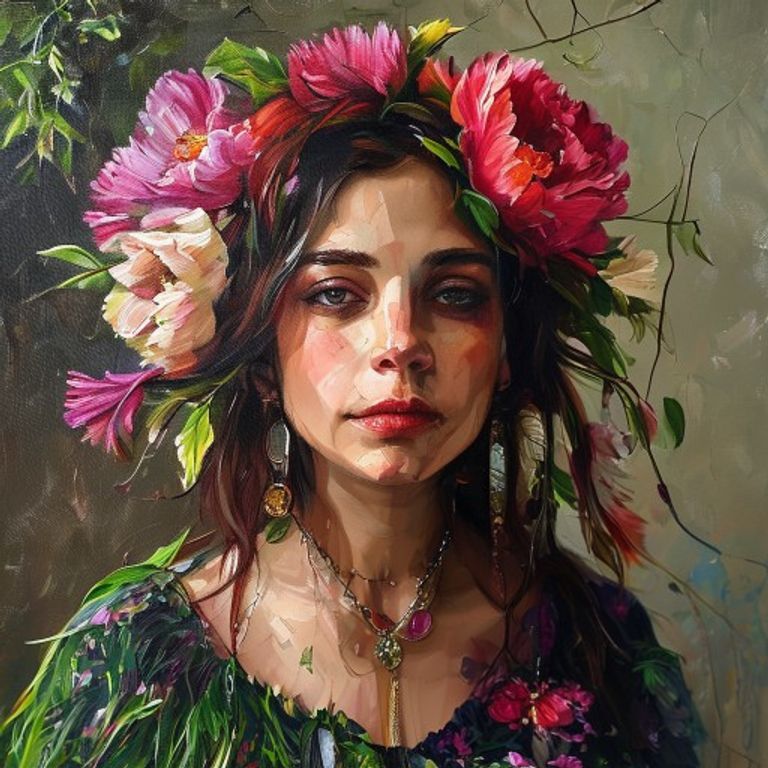
This municipality in the State of Santa Catarina is the land of Cruz e Sousa, the Black Swan and the main exponent of national symbolism, serving as inspiration for works that portray the mysticism and legends of the islands.
⚠️ Research elaborated with the help of Deep Research is subject to referential ambiguity.
🖥️Clean HTML code using a proprietary tool.
👥 Research by Guilherme Felipe, Curation by Sílvio Lôbo
The Literary Cartography of Florianópolis: Identity, Magic, and Word on the Island
Florianópolis, the capital of Santa Catarina, is more than a coastal city; it is an island that pulses with a unique cultural identity, forged by its Azorean heritage, stunning natural beauty, and the mystique that earned it the nickname "Island of Magic." This complex web of influences could not fail to be reflected in its literary production, which, although sometimes overshadowed by the country's major urban centers, possesses its own richness and depth, acting as both a mirror and a shaper of the islander soul. This essay aims to map the main voices, the movements that shaped its literature, the crucial publications, and, above all, the inextricable link between the cultural landscape and the written word in Florianópolis.
Foundational Voices and the Awakening of Identity
The roots of Florianópolis' literature delve into the 19th century, in Desterro (the city's former name), with figures who, while not always exclusively dedicated to literature, laid the groundwork for the perception of the place. The greatest exponent of this period, and one of the greatest names in Brazilian literature, is João da Cruz e Sousa (1861-1898). Born in the city, the "Black Swan" of Symbolism transcended geographical boundaries to imprint his universalist and mystical mark on Brazilian poetry. Although his work is not intrinsically "regional" in thematic terms, his origin on the island gave Florianópolis a literary patron of monumental stature, a point of pride, and a reminder of the land's creative potential.
A contemporary with a strongly regionalist work, Virgílio Várzea (1862-1941) is a cornerstone in the construction of the local literary identity. His short stories and legends, compiled in works such as Contos e Lendas dos Nossos Praias and Entre Flores e Espinhos, capture the essence of Azorean life, the customs of fishermen, the folklore, and the island's landscape in a vivid and authentic way. Várzea was the chronicler who immortalized the "manezinho," the dialect, the beliefs, and the rhythm of life of a still-isolated Florianópolis, becoming a guardian of cultural memory.
Other important figures, such as the historian and chronicler Oswaldo Rodrigues Cabral (1903-1959), contributed to documenting the history and details of island life, while Nereu Ramos (1888-1958), a prominent political figure, also left his mark with writings that, while not purely literary, reflected on local and national realities.
Consolidation and Modernity: From Regional to Universal
The 20th century brought new perspectives and the gradual consolidation of a more structured literary environment. The founding of the Academia Catarinense de Letras (ACL) in 1928 was an essential milestone, providing a space for recognition and fostering for the state's writers, many of them from the capital. The ACL became a bulwark of literary tradition and a meeting point for new generations.
From the second half of the century onwards, authors emerged who would deepen the relationship with the city, but also transcend it. Salim Miguel (1924-2016), although born in Lages, settled in Florianópolis and became one of the most powerful and complex voices in Santa Catarina's literature. His dense, existential, and profoundly human prose, present in novels such as Primeiro de Maio, A Morte do Papa, and Caliban, explored the tensions of modernity, memory, and the human condition, often with a backdrop that, even without explicitly naming the city, evoked its atmospheres and characters. Salim Miguel was not just a writer but a cultural agitator, editor, and journalist, fundamental to the intellectual debate in Santa Catarina.
Other writers from this period enriched the panorama. The poetess Eglê Malheiros (1933-1996) brought a strong and lyrical female voice, exploring intimacy and women's experiences. Alcides Buss (1947-), on the other hand, with a diverse body of work that includes poetry, short stories, and novels, deepens the relationship with time and memory, often anchored in settings and sentiments that echo the Santa Catarina experience.
The Contemporary Island in Literature: New Narratives and Fluid Identities
The turn of the millennium and the advance of urbanization brought to the fore a Florianópolis in constant transformation, reflected in contemporary literature. The tension between Azorean tradition and modernity, the impact of tourism and real estate speculation, and the diversity of new residents have become recurring themes. The "Island of Magic" reinvents itself, and its writers explore this complexity.
Authors such as Urda Alice Klueger (1955-), born in Blumenau but deeply rooted in Florianópolis, has become a tireless storyteller of the island's tales. Her work, which ranges from children's literature to adult novels, rescues legends, folklore, and the history of "manezinha" culture, keeping ancestral memory alive. The historian and writer Flávio José Cardoso (1954-) also stands out for his work in rescuing the island's oral and written memory, in chronicles and books that are a dive into the Florianópolis soul.
In poetry, Dennis Radünz (1971-) represents a contemporary voice, exploring urbanity, metaphysics, and language with sharp sensitivity. Although born in Florianópolis, Ana Paula Maia (1977-) has gained prominence on the national scene with her visceral and dark literature. While her themes move away from explicit regionalism, her origin on the island is a relevant factor in her formation.
The local literary scene is vibrant, with new talents emerging in poetry, prose, and chronicles, many of them exploring the island experience from different angles: the relationship with nature, university life (with the presence of UFSC), social challenges, and the search for identity in a rapidly globalizing place.
The Cultural Identity of Florianópolis in Literature
Florianópolis' identity is a fertile ground for literature, manifesting itself in various aspects:
- Azorean Heritage and Manezinha Culture: The speech, customs, festivals, artisanal fishing, healers, and superstitions are recurring themes, immortalized by Virgílio Várzea and revisited by authors like Urda Alice Klueger and Flávio José Cardoso. The relationship with the sea is umbilical and spans generations of characters.
- The Mystique of the Island of Magic: Legends of witches, werewolves, and other fantastical creatures, present in the popular imagination, permeate fiction and poetry, lending a tone of mystery and enchantment to the local narrative.
- The Man-Nature Relationship: The island's exuberant beauty – its beaches, hills, dunes, lagoons, and restingas – is both a setting and a character. Literature explores both the exaltation of this nature and the concern for its preservation in the face of urban expansion.
- The Tension Between Tradition and Modernity: Florianópolis is a city that has grown and modernized rapidly. This duality between the "old time" of fishing villages and the "new time" of a tourist and technological metropolis is a narrative engine for many writers, who address the losses and gains of this transformation.
- Isolation and Openness: Historically isolated, the island always had an introspective character. However, the Hercílio Luz Bridge and tourism opened it to the world, creating a dialectic between the local and the global, which is reflected in the diversity of themes and styles.
Publications and Literary Spaces
In addition to the authors, Florianópolis' literary vitality is sustained by various institutions and publications. The aforementioned Academia Catarinense de Letras (ACL) is a pillar. University presses, such as Editora da UFSC (EDUFRSC), play a crucial role in publishing research, criticism, and fiction, contributing to the dissemination of knowledge and local literary production. Independent and smaller publishing houses also emerge, offering space for new voices and experimental proposals.
Historically, newspapers and cultural magazines were important vehicles for the dissemination of poems, short stories, and essays, such as the Revista da ACL. Today, the internet and social media have also become platforms for poetry and prose, connecting authors and readers.
Events such as the Florianópolis Book Fair, lectures, and launches in bookstores and cultural centers, as well as the work of public and community libraries, contribute to keeping the literary flame alive, promoting debate and access to reading.
Conclusion
The literature of Florianópolis is a mosaic of voices that, from Cruz e Sousa to Salim Miguel, from Virgílio Várzea to Urda Alice Klueger, weave a rich and multifaceted narrative about the Island of Magic. It not only narrates the history and transformations of a place but also explores the complexities of the human soul in a unique setting. The strong cultural identity, shaped by Azorean heritage, mysticism, and natural beauty, continues to be an inexhaustible source of inspiration, making the literary cartography of Florianópolis a territory of constant exploration and renewal, as fascinating as the island itself.



