


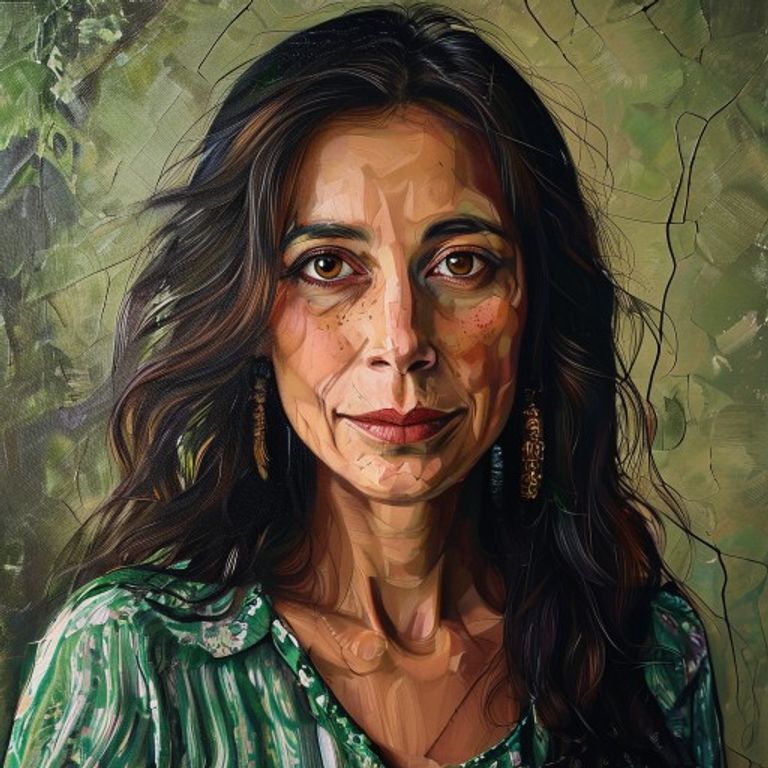
This municipality in the State of Maranhão is the birthplace of several intellectuals and poets who contributed to the founding of the Maranhense Academy of Letters, keeping alive the tradition of oratory and classical legal and literary writing.
⚠️ Research elaborated with the aid of Deep Research is subject to referential ambiguity.
🖥️Clean HTML code using a proprietary tool.
👥 Research by Guilherme Felipe, Curation by Sílvio Lôbo
The Voice of Grajaú: A Literary Mosaic of Identity and Resistance
The cultural landscape of Grajaú, in Maranhão, reveals itself not only in its geography and history but also in a rich literary heritage that echoes the particularities of its people and territory. As a literary critic and researcher, delving into Grajaú's literary production is to uncover an intricate mosaic where ancestral traditions, poignant social realities, and the search for a unique identity, often forged in resistance and the celebration of everyday life, intertwine.
Deep Roots and Emblematic Authors
Grajaú's literature, in its various manifestations, has its roots in the strong influence of indigenous and Afro-Brazilian cultures, pillars of the region's social formation. This heritage is evident in works that narrate myths, folk tales, and the sagacity of characters who face the challenges of life in the Cerrado and on the banks of the Grajaú River.
Among the names that stand out on the local literary scene are those who, born or settled in Grajaú, have managed to translate the nuances of their land onto paper. Although an exhaustive list is difficult to compile and is constantly being updated, it is impossible to ignore the importance of authors who, with their pens, have given voice to unique experiences. The poetic and prose production, often nascent and difficult to access on a national scale, is a direct reflection of the lived experiences of its creators.
It is crucial to note that the appreciation and dissemination of these authors, as well as their works, often occur at a local or regional level, through literary gatherings, writing contests, and independent publications. This characteristic, far from being a limitation, highlights the strength of the Grajaú literary community in self-sustaining its production and keeping the flame of creation alive.
Movements and Publications: A Legacy Under Construction
Although Grajaú may not boast a literary movement with a nationally renowned name and manifesto, the region's cultural effervescence over time has indeed generated groups and initiatives that have stimulated literary production. The organization of reading clubs, writing workshops, and the creation of small independent publishers or imprints, often at the initiative of the writers themselves, have been and continue to be fundamental in giving visibility to their works.
Important publications in Grajaú often materialize in anthologies that bring together various local talents, newspapers and cultural magazines with limited circulation, and, more recently, in individual books that address specific themes of Grajaú's reality. Poetry, in particular, finds fertile ground, expressing sensitivity towards the exuberant nature, human relationships, and social issues.
The difficulty of accessing large publishing houses can, paradoxically, strengthen a sense of community and self-sufficiency among local writers. The exchange of experiences, constructive criticism, and the joint celebration of literary achievements shape an engaged creative community.
Cultural Identity: The Reflection of Grajaú in Books
Grajaú's cultural identity is undoubtedly the common thread that permeates much of its literary production. The books that emerge from this land carry with them the accents, landscapes, beliefs, and struggles of its people.
- Nature as Setting and Character: The Cerrado, the rivers, the fauna, and the flora of Grajaú are not mere backdrops but active elements that influence the destiny and emotions of the characters. The intrinsic relationship between humans and the land is frequently explored, whether in lyrical poetry that celebrates natural beauty or in narratives that depict the challenges of survival in an often hostile environment.
- Narratives of Everyday Life and Resistance: The simple yet rich life in terms of knowledge and experiences of Grajaú's inhabitants is a recurring theme. Stories that portray work, popular festivals, family relationships, and the daily difficulties faced come to life on the pages, fostering a sense of identification with local readers and offering a glimpse to outsiders. Grajaú's literature, in many cases, becomes an act of cultural resistance, preserving memories and narratives that could be lost over time.
- The Influence of Oral Traditions: Myths, legends, and folk tales, passed down orally from generation to generation, find a new space to flourish in literary works. The figure of the storyteller, present in the Grajaú imagination, echoes in narratives that retrieve ancestral knowledge and connect the past to the present.
- The Voice of the Subaltern: In many works, there is a strong desire to give voice to historically marginalized groups, whether indigenous, quilombola, or the poorest members of society. Literature becomes an instrument of denunciation, reflection on social inequalities, and affirmation of human dignity.
In summary, literature in Grajaú is a multifaceted mirror of its cultural identity. It is a constantly expanding universe, fueled by the passion of its creators and the richness of a territory that, although it may seem distant from major urban centers, pulses with a unique and necessary narrative force.



