


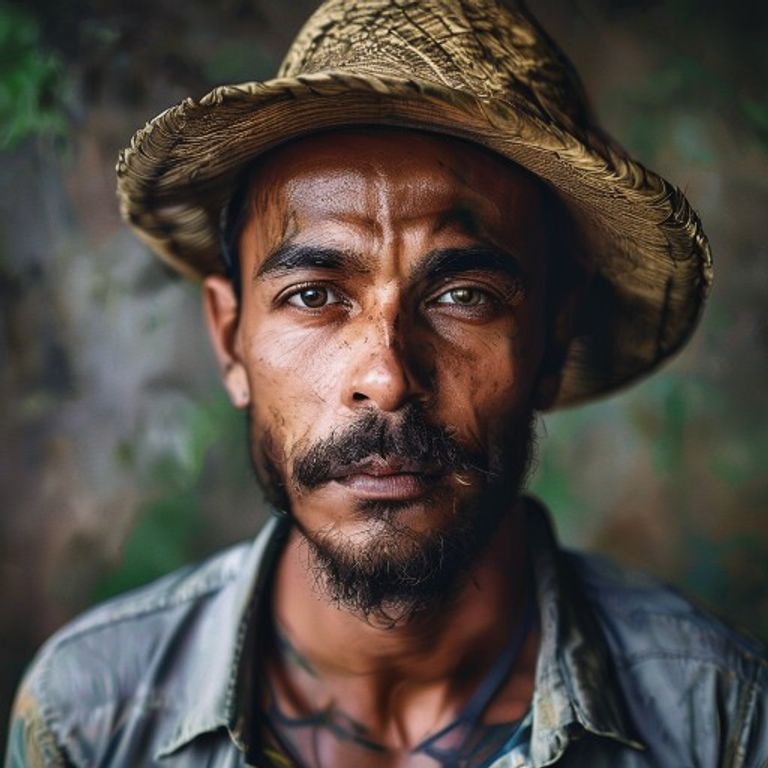
This municipality in the State of Amazonas inspires poets and chroniclers who seek in the culture of the cirandas and the waters of the Solimões River themes for vibrant literature connected to popular traditions.
⚠️ Research elaborated with the aid of Deep Research is subject to referential ambiguity.
🖥️Clean HTML code using a proprietary tool.
👥 Research by Guilherme Felipe, Curation by Sílvio Lôbo
The Voice of the River and the Forest: An Essay on the Literature of Manacapuru
Manacapuru, a city nestled in the heart of the Amazon, on the banks of the Solimões River, is more than a geographical point on the map of Amazonas; it is a cultural melting pot where the force of nature meets human resilience. The literature that emanates from its lands, or that is inspired by its landscapes and people, is a multifaceted mirror of this identity. Far from the major publishing centers, Manacapuru's literary production, often with local and regional circulation, constitutes a vibrant body of narratives, poems, and chronicles that unveil the Amazonian soul, its challenges, its beauties, and its mysteries.
Geographical and Cultural Identity as a Literary Foundation
Manacapuru's location is intrinsic to its literary production. The river, with its grandeur and its cycles of flood and drought, the forest with its exuberant biodiversity and ancestral secrets, and the presence of indigenous and caboclo cultures are omnipresent elements. This geography shapes a particular worldview, where the relationship between man and the environment is one of dependence and respect, but also of struggle and adaptation. The literature of Manacapuru, therefore, is deeply rooted in Amazonian regionalism, but with nuances that distinguish it, exploring riverside life, fishing, the daily lives of communities, and the memory of economic cycles, such as rubber, which left indelible marks on the region.
Authors and Voices from Manacapuru
Although Manacapuru has not produced authors with national projection comparable to writers from capitals like Manaus or Belém, the city is the birthplace or home of important voices that give substance to its local literature. Many of these writers are teachers, historians, journalists, or cultural enthusiasts who dedicate their lives to recording and celebrating their land. Among the figures who stand out for their work of rescue and creation, we can mention:
- Professor João Bosco de Lima: A historian and writer, his works frequently address the local history, traditions, and characters of Manacapuru. His work is fundamental to the preservation of the city's memory and cultural identity.
- Professor Abrahim Baze: With significant contributions to local chronicles and history, Baze dedicates himself to narrating the daily life, legends, and social aspects that make up the fabric of Manacapuru.
- Other local poets and short story writers, many of whom publish in artisanal editions or regional anthologies, have the Amazon as their muse, exploring the landscape, caboclo culture, popular festivals, and social struggles. They are the voice of the community, translating lived experiences and stories passed down through generations into verses and prose.
The literary richness of Manacapuru often lies in collective production and orality, which directly influence writing, giving it an authentic tone close to popular experience.
Literary Movements and Recurring Themes
Literature in Manacapuru, as in much of the Amazonian interior, does not strictly align with national or international literary movements but absorbs and reinterprets influences. Regionalism is undoubtedly the strongest current, manifesting itself in vivid descriptions of the landscape, the valorization of local dialect, and the exploration of the peculiarities of riverside life. There is also a strong vein of engaged literature, which addresses social issues such as the exploitation of natural resources, the struggle for land and rights, and the precariousness of life in isolated communities. Recurring themes include:
- Nature as the protagonist: The river, the forest, the fauna, and the flora are central characters, with their cycles of life and death, their beauties, and their dangers.
- Imagination and folklore: Amazonian legends, ghost stories, indigenous myths, and popular beliefs permeate the narrative, giving it a magical and mysterious character.
- Local memory and history: Chronicles and historical novels rescue the past, the formation of the city, the rubber era, the impacts of globalization, and social transformations.
- Caboclo identity: The mix of ethnicities, the life of the rural and riverside people, their festivals, their food, and their way of life are celebrated and analyzed.
Important Publications and Circulation of the Word
Despite infrastructure and distribution challenges, Manacapuru's literature finds its means of expression. Publications are mostly from small, regional, or even independent publishers. Books of poetry, short stories, and historical essays are launched at local cultural events, schools, and modest literary fairs. Local newspapers, such as the defunct "Jornal de Manacapuru" or other ephemeral periodicals, have served and continue to serve as platforms for chronicles, poems, and opinion articles, giving visibility to local talents. The Municipal Secretariat of Culture and cultural associations play a crucial role in promoting and fostering these initiatives, organizing literary contests, lectures, and launches that keep the flame of writing alive in the city.
The circulation of the word also occurs through orality, with storytelling sessions, literary gatherings, and the transmission of knowledge and legends from generation to generation, which, although not written literature, is its precursor and constant nourisher.
The Reflection of Local Cultural Identity in Books
Manacapuru's literature is a vivid testament to its cultural identity. It celebrates the resilience of the Amazonian people, their ability to survive and thrive in an environment that is both provider and challenging. It reflects the intrinsic spirituality linked to nature and ancestral beliefs. It expresses the solidarity of riverside communities and the deep connection with the territory.
The books from Manacapuru are more than mere narratives; they are living documents that record the voice of a people who, on the banks of the great river, dream, work, struggle, and celebrate their existence. In them, we find the caboclo soul, the memory of ancestors, the beauty of the forest, and the perennial hope for a future that respects the roots and singularities of this invaluable portion of Brazil.



