


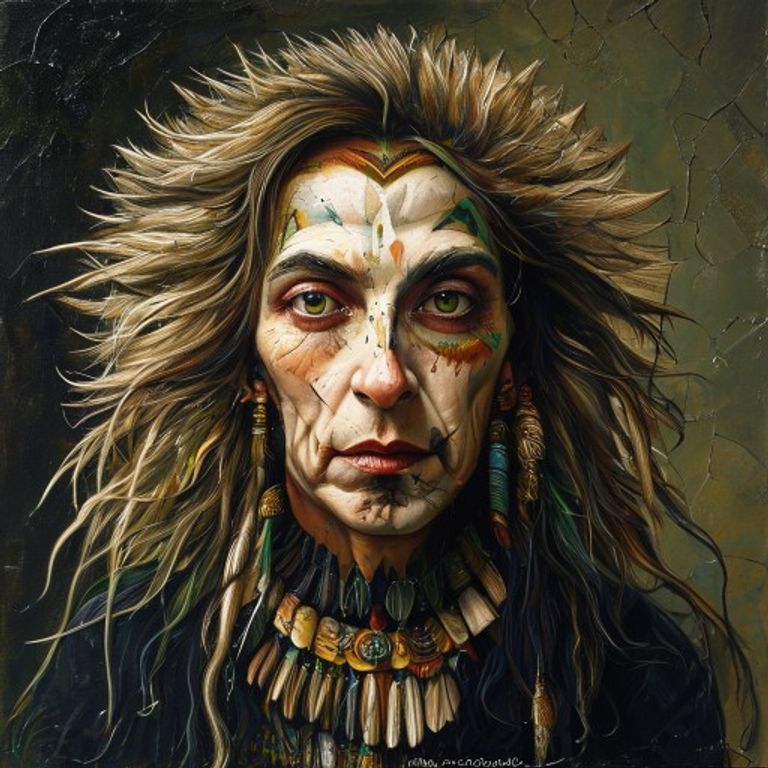
This municipality in the state of Amapá inspires works of a historical and epic nature, based on the transfer of the Moroccan colony to the Amazon, resulting in rich narratives about the Feast of São Tiago.
⚠️ Research conducted with the aid of Deep Research is subject to referential ambiguity.
🖥️Clean HTML code using a proprietary tool.
👥 Research by Guilherme Felipe, Curation by Sílvio Lôbo
The Transatlantic Voice of Amapá: A Dive into Mazagão's Literature
Brazilian literature, in its vast and multifaceted landscape, holds corners of uniqueness that sometimes escape a more centralized gaze. Mazagão, a municipality in Amapá, represents one of these hidden treasures, not only for its Amazonian geography but for its history of cultural transplant and resilience. Born from a singular migration of Portuguese people from the old fortress of Mazagão, in Morocco, to the Amazon in the 18th century, the region carries a hybrid identity, an amalgam of European, African, and indigenous influences that manifest powerfully in its literary production.
This essay proposes a dive into the literary waters of Mazagão, seeking to identify its main authors, unveil the movements that shaped its writing, highlight the publications that gave voice to its narratives, and, fundamentally, analyze how the Mazagãoense cultural identity is reflected and perpetuated through books.
Historical Roots and the Genesis of a Literary Identity
The genesis of literature in Mazagão is intrinsically linked to its formation as "Nova Mazagão." The memory of the Moroccan fortress, of the struggles, and of the transatlantic journey deposited a unique cultural sediment on Amazonian soil. This memory, orally transmitted for generations, served as the first narrative source, giving rise to popular tales, legends, and songs that, long before formal writing, already sketched the contours of a local identity. The "autos de Mazagão", dramatic celebrations that reenact the defense of the fortress and the crossing, are a vivid example of this performative pre-literature, where history and myth intertwine.
The scarcity of publishing houses and the geographical isolation of Amapá, in general, meant that the first steps of Mazagãoense literature were taken modestly, often in local periodicals with little circulation or in artisanal publications. However, it was in this context of resistance that the region's authentic voice began to take shape.
Key Authors and Their Contributions
Although Mazagão does not possess a literary canon as vast as larger centers, some names stand out for their ability to capture the essence of the region:
- Mário da Conceição Rodrigues (1908-1985): Considered one of the pioneers of Mazagãoense prose, Rodrigues is famous for his short stories and novels that paint a vivid portrait of riverside life and the daily struggle of man with the Amazonian nature. His work, although imbued with pronounced regionalism, transcends the merely local by exploring universal themes such as perseverance, faith, and the complexity of human relationships. The novel "Os Caminhos da Água" (published posthumously) is an exquisite example of how orality and riverine experience shaped his narrative, with characters who are true archetypes of the Mazagãoense people.
- Lúcia de Santa Fé (1932-present): A poet and short story writer, Lúcia de Santa Fé introduced a more introspective and mystical dimension to Mazagão's literature. Her poetry, marked by deep lyricism, explores the connection between the individual and the forest, religious syncretism, and the Afro-indigenous heritage. Her short stories, often permeated by a subtle magical realism, revive local legends and folklore, giving voice to the women and minorities of the region. The collection "Entre o Forte e o Rio" is a landmark of her production, revealing the beauty and harshness of life in Mazagão through a feminine and sensitive perspective.
- Joaquim "Quinzinho" Valente (1955-present): A historian and writer, Valente has dedicated a large part of his work to reconstructing and fictionalizing the saga of Nova Mazagão. His historical novels, such as "A Travessia dos Mares" and "O Legado do Forte," are pillars in understanding the Mazagãoense identity, addressing migration, cultural shock, and the formation of a new community within the Amazon. Valente not only narrates events but delves into the emotions and dilemmas of the settlers, indigenous people, and enslaved individuals, constructing a rich and complex tapestry of local memory.
Literary Movements and Important Publications
Literary movements in Mazagão tend to intertwine with Brazilian regional currents, but with their own unique flavor:
- Mazagãoense Regionalism: Predominant in the first decades of formal production, this movement focused on exalting the local landscape, customs, and speech. It was an attempt to assert Mazagão's identity against cultural homogenization, highlighting the uniqueness of its history and people. Mário da Conceição Rodrigues is one of the exponents of this regionalism, which, over time, evolved into a more critical and less idealized neo-regionalism.
- Magical Realism of the Fortress: Under the influence of Latin American authors, a strand of magical realism began to flourish, especially in the work of Lúcia de Santa Fé. This movement explores the supernatural and the fantastic as an integral part of Amazonian reality and the local worldview, where myth and legend naturally coexist with everyday life. The memory of the fortress, which stands as a historical ghost, and indigenous and African narratives feed this atmosphere.
- Transatlantic Memory Narratives: Although not a formally organized movement, there is a persistent current in Mazagão's literature dedicated to exploring the historical memory of migration. Authors like Joaquim Valente lead this trend, using fiction to dialogue with history and anthropology, investigating the impact of the crossing and colonization on the formation of Mazagãoense identity.
Regarding publications, the lack of major publishing houses led to the emergence of local initiatives:
- "O Farol Literário de Mazagão" (The Literary Lighthouse of Mazagão): A literary magazine with intermittent circulation, founded in the 1970s, which served as a platform for many local authors to publish their first short stories, poems, and essays. It was a vital space for the formation of a literary community.
- "Cadernos do Forte" (Notebooks of the Fortress): A series of independent publications, often funded by the authors themselves or by cultural associations, dedicated to preserving and disseminating the history and culture of Mazagão through literature.
- Smaller Publishers: In recent years, with the advancement of technology and the emergence of small publishers in Amapá, such as "Papiro do Rio," it has been possible to give greater visibility to Mazagãoense authors, publishing works that would previously have been confined to the local circuit.
Cultural Identity Reflected in Books
Mazagão's literature is a multifaceted mirror of its cultural identity. In it, we find the resilience of a people who, transplanted from one continent to another, knew how to reinvent themselves. The Amazonian landscape, with its rivers, streams, and the vastness of the forest, is not just a setting but an active character, shaping destinies and offering metaphors for life.
Cultural and religious syncretism is another pillar. The Catholic faith brought by the Portuguese blends with indigenous beliefs and African traditions, resulting in a unique spirituality that permeates many works. Legends of forest beings, aquatic deities, and ancestral rituals find their place alongside Catholic festivals and processions, creating a rich symbolic universe.
The memory of the fortress, even if physically absent in the Amazonian context, constantly resurfaces in literature, whether as a symbol of resistance, exile, or heritage. Authors explore the idea of being a "people of the fortress," carrying a history of borders and crossings, of a past that refuses to be forgotten.
Finally, Mazagãoense literature is a celebration of orality. The way stories are told, the musicality of the language, the presence of popular sayings and songs, all evoke the tradition of narratives passed down by word of mouth, from generation to generation, keeping alive the flame of a unique culture.
Conclusion
The literature of Mazagão, with its dedicated authors and its narratives rooted in history and landscape, is a testament to the cultural richness of Amapá and Brazil. It invites us to go beyond the major centers, to explore the voices that emerge from the riverbanks and the memories of the fortresses. By shedding light on this literary production, we recognize not only the beauty of its words but the strength of an identity that, despite historical and geographical adversities, continues to flourish, telling its transatlantic and Amazonian saga to the world.



