


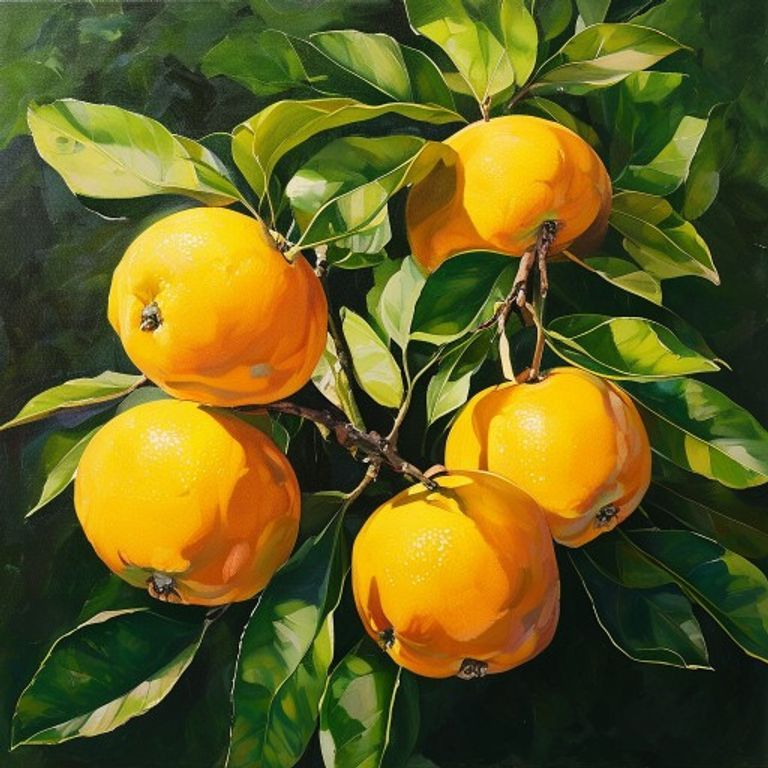
This municipality in the State of Sergipe is considered an open-air museum and served as inspiration for countless historical and folkloric accounts, being a vital center for the study of Afro-Brazilian culture and colonial literature.
⚠️ Research elaborated with the aid of Deep Research is subject to referential ambiguity.
🖥️Clean HTML code using a proprietary tool.
👥 Research by Guilherme Felipe, Curation by Sílvio Lôbo
Literature in Laranjeiras: A Point of Carioca Intellectual Confluence
Laranjeiras, a historic and tree-lined neighborhood in Rio de Janeiro's South Zone, is more than just a collection of streets and buildings. It is a space that, throughout the 20th and early 21st centuries, has consolidated itself as a cultural ferment and a home for some of the most prominent voices in Brazilian literature. Although it did not generate an autonomous literary movement in the traditional sense, the neighborhood served as a vital point of convergence and inspiration, a refuge for intellectuals whose work shaped the national canon.
Authors Rooted in Laranjeiras
Laranjeiras' literary identity is inseparable from the writers who chose its quiet streets and unique atmosphere as their home. The list is illustrious, spanning different generations and styles:
- Clarice Lispector: One of the most enigmatic and influential figures in Brazilian literature, Clarice lived in Laranjeiras for long periods. The deep introspection, exploration of everyday life, and search for human essence that permeate works like The Hour of the Star or Family Ties can be read as echoes of the attentive observation of urban and domestic life that the neighborhood, with its mix of grandeur and intimacy, provided.
- Rubem Braga: The master of Brazilian chronicles found in Laranjeiras a setting for his sharp observations of Rio de Janeiro. His chronicles, published in various newspapers, transformed the trivial into art, and the neighborhood's environment – its trees, its inhabitants, its small daily scenes – certainly fueled his unique gaze, full of melancholy and beauty.
- Rachel de Queiroz: The first woman to join the Brazilian Academy of Letters also made Laranjeiras her home. Although her work is often associated with Northeastern regionalism, life in Rio and interaction with the neighborhood's cultural environment certainly contributed to the breadth of her vision in novels like The Fifteen and in her extensive journalistic and memorialistic production.
- Erico Verissimo: During his stay in Rio, the renowned writer from Rio Grande do Sul also lived in Laranjeiras. His rich prose and his view of Brazilian society, present in masterpieces like The Time and the Wind, were undoubtedly enriched by the experiences and urban observations that the neighborhood offered.
- Jorge Amado: One of the greatest names in Brazilian and world literature, Jorge Amado also resided in Laranjeiras. His vibrant and engaged work, which paints a colorful portrait of Brazil, bore the mark of his life in the capital of Rio de Janeiro, and the neighborhood, with its cosmopolitan and historic environment, was one of the stages of his life and, by extension, of his inspiration.
- João Ubaldo Ribeiro: This award-winning author from Bahia, known for his rich and complex narrative, also settled in Laranjeiras. His ability to capture the Brazilian soul and to move between realism and fantasy was perhaps nurtured by the contrast between tradition and modernity that the neighborhood exhibits, resulting in works like Sergeant Getúlio and The Lizard's Smile.
Literary Movements and Convergences
As mentioned, Laranjeiras was not the birthplace of a specific literary "ism," but rather an epicenter of convergence for trends and talents. The authors who resided there were exponents of various movements that marked 20th-century Brazil, transforming the neighborhood into a hub of intellectual effervescence:
- Post-Modernism/Generation of '45: Clarice Lispector is a pillar of this phase, with her introspective and experimental prose, which broke with the canons of early modernism and explored new frontiers of language and consciousness.
- Regionalism and Social Novel: Rachel de Queiroz, Erico Verissimo, and Jorge Amado, although with distinct nuances, contributed immensely to the novel that depicted the social and regional realities of Brazil. Their presence in Laranjeiras symbolized the nationalization of literature and the migration of regional talents to the cultural capital, enriching the metropolis's perspective.
- The Chronicle as a Major Genre: Rubem Braga elevated the chronicle to a level of art and philosophical reflection, and his residence in Laranjeiras underscores the importance of urban daily life as an inexhaustible source of literary material, capable of revealing the complexity of being and the environment.
- Contemporary Literature: João Ubaldo Ribeiro represented the strength of Brazilian literature at the end of the 20th and beginning of the 21st centuries, with works that dialogued with tradition while exploring new narrative forms, cultural hybridity, and social criticism.
The neighborhood, thus, functioned as a meeting point for ideas and styles, an environment that, due to its tranquility and centrality, allowed these authors to dedicate themselves to writing and to interact, directly or indirectly, in a rich intellectual exchange that reverberated in the press and cultural circles.
Publications and Repercussion
Although Laranjeiras did not house large publishing houses or its own literary periodicals, the works born or gestated in its homes became landmarks of Brazilian literature. Novels, short stories, and chronicles written by its residents were published by the country's most important publishing houses and circulated in the main newspapers and magazines, reaching vast audiences and winning awards and international recognition.
- The chronicles of Rubem Braga, for example, were published in widely circulated periodicals such as Correio da Manhã and Jornal do Brasil, shaping the Carioca and national imagination and consolidating the genre.
- The novels of Clarice Lispector, Jorge Amado, Rachel de Queiroz, and Erico Verissimo, among others, are among the most important books in Portuguese-language literature, many of them translated into various languages and adapted for film and television.
The literary production of Laranjeiras, therefore, was not limited to the neighborhood but radiated throughout Brazil and the world, consolidating Rio de Janeiro's image as a dynamic and influential cultural hub.
The Cultural Identity of Laranjeiras Reflected in Literature
The essence of Laranjeiras is often woven into the backdrop of the narratives of the authors who lived there. The neighborhood offers a rich tapestry of elements that inspire literary creation and resonate on the pages of their works:
- Architectural and Historical Heritage: The old mansions, the grandeur of the Guanabara Palace (former presidential residence and current seat of the Rio de Janeiro state government), the tree-lined streets, and the nostalgic charm of Largo do Boticário evoke a Rio de Janeiro of yesteryear, a setting conducive to stories that explore memory, tradition, social transformations, and the passage of time.
- Daily Life and Urban Contrast: The tranquility of the residential streets, the local commerce, and the proximity to nature (such as the slopes of Corcovado) offer a contrast to the bustle of the metropolis. This contrast is often explored, directly or indirectly, in the observation of customs and characters, generating reflections on urban life and human existence.
- Bohemia and Intellectualism: Laranjeiras, over the decades, attracted a population of artists, intellectuals, and bohemians. This cultural effervescence manifests in prose that explores the human psyche, existential dilemmas, and social criticism. The neighborhood's atmosphere favors reflection and detachment, while also offering abundant human material for the construction of complex narratives.
- An Intimate and Familiar Rio: Unlike seaside resorts like Copacabana or Ipanema, Laranjeiras presents a more reserved, familiar Rio with a strong sense of community. This intimacy is reflected in the emphasis on personal dramas and family relationships that many of the resident authors addressed, deepening the focus on the individual and their social interactions.
In summary, Laranjeiras, with its air of discreet elegance, its rich history, and its ability to embrace intellectual diversity, is not just an address but a silent character in the vast work of its illustrious residents. It inspires contemplation, social criticism, and the exploration of the Brazilian soul, making it an iconic location in Brazil's literary geography.



