


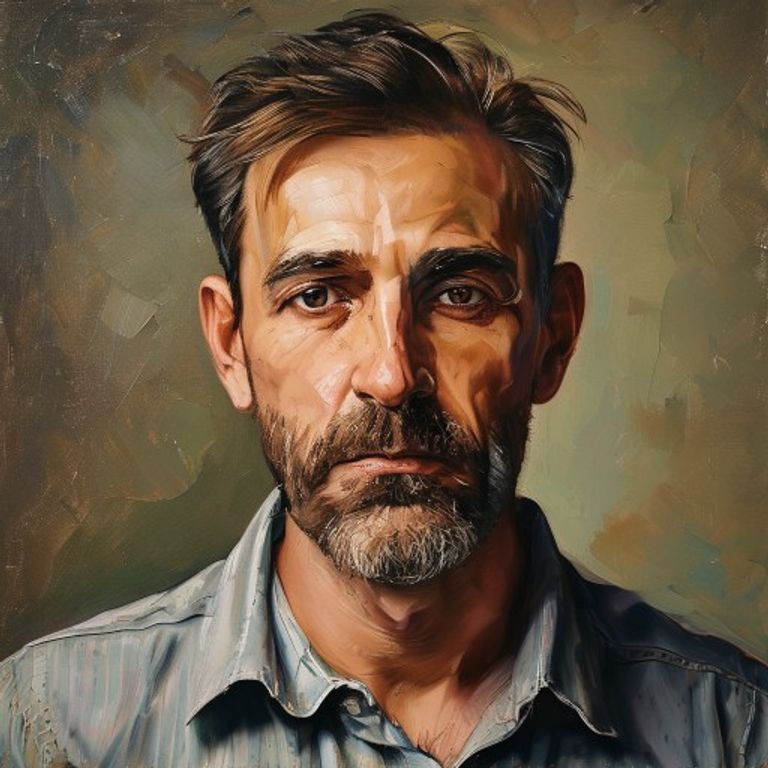
This municipality in the State of Piauí is known as the Piauí Switzerland and inspires writers with its mild climate and natural beauty, serving as the stage for festivals that unite literature, music, and the imaginary world of opal mines.
⚠️ Research elaborated with the assistance of Deep Research is subject to referential ambiguity.
🖥️Clean HTML code using a proprietary tool.
👥Research by Guilherme Felipe, Curation by Sílvio Lôbo
The Power of Words in Pedro II (Piauí): An Essay on its Literary Expression
Literature, in its essence, is a mirror of the soul of a people and their territory. In Pedro II, a municipality nestled in the picturesque hills of Piauí, this maxim manifests in a literary production that, although sometimes less visible on a national stage, is deeply rooted in the identity and peculiarities of its people and landscape. As a literary critic and researcher, delving into the writings of Pedro II is to discover a universe rich in regionalism, memory, and poetry, which pulses with the rhythm of the sertão and the freshness of the plateaus.
The Geographical and Cultural Setting as a Literary Matrix
Pedro II is not just a point on the map; it is a unique cultural ecosystem. Known as "Piauí Switzerland" for its mild climate and mountainous topography, and famous for its opal extraction, the city offers a unique backdrop for artistic creation. The coexistence with exuberant nature – waterfalls, trails, rock formations – and the rich local history, which dates back to pre-Columbian times and the formation of the first farms, provide an inexhaustible source for imagination. This identity is reflected in a literature that frequently celebrates the natural environment, popular traditions, legends, the challenges of rural life, and the resilience of the Piauí people.
Literary Voices and the Construction of the Pedro II Identity
Literary production in Pedro II, as in many interior municipalities, often flourished through individual initiatives, the fervor of teachers, local historians, and poets who felt the need to record and express their reality. Among the figures who stand out or have left their mark, we can mention:
- Manoel Paulo de Sousa: One of the most emblematic names, known for his poetry and his work as a historian and memorialist. His work captures the essence of daily life in Pedro II, the natural beauties, and the striking figures of the city. He is an architect of local memory, translating the spirit of the region into verses and prose.
- João Paulo de Sousa: Also important in historical and cultural record-keeping, contributing to the preservation of memory through his research and publications that document social and economic aspects of Pedro II.
- Other chroniclers and poets who, although perhaps not widely known outside of Piauí, are pillars of local literature, publishing in regional periodicals, anthologies, and self-published editions, contributing to the preservation of oral and written traditions.
The predominant genres are lyric poetry, which exalts the landscape and human feelings; chronicles, which capture the pulse of daily life and insightful observations; and local historiography, essential for the construction of collective memory. In these works, themes emerge such as love for the land, saudade, faith, popular festivals, farm work, and the saga of the families who shaped the region.
Literary Movements and Important Publications
In Pedro II, the notion of "literary movements" in the sense of major national schools is more a reflection of influences than of autonomous local gestation. However, it is possible to identify currents:
- Regionalism is a driving force, permeating writing with the specificity of the local landscape, language, and customs. Many authors align themselves with a tradition of exalting the "Piauiense" in its most authentic nuances, approaching the trend that marked Brazilian literature in the 20th century.
- A romantic/parnassian vein can be perceived in poetry that praises nature and beauty, with a certain formal rigor and musicality, reminiscent of past eras, but adapted to local themes.
- Oral Literature and Folklore are also sources and forms of literary expression, with storytellers and popular poets (repentistas, cantadores) keeping alive a tradition that predates formal writing.
The most important publications, besides the books by specific authors, include:
- Local Newspapers and Magazines: Essential for the dissemination of poems, chronicles, and articles, serving as platforms for new talents and for maintaining cultural debate.
- Collective Anthologies: Often organized by cultural institutions or education secretariats, they bring together the production of various writers, giving visibility and unity to the local literary scene.
- Academia Pedrossegundense de Letras (APL) and the Centro de Literatura e Artes de Pedro II (CLAP II): Institutions that play a vital role in promoting and organizing literature, encouraging research, publication, and the holding of literary events. They are guardians and facilitators of written culture in the city.
Cultural Identity Reflected in Books
The literature of Pedro II is intrinsically linked to its cultural identity. The books and writings produced there are more than mere narratives; they are documents of a collective soul. They reveal:
- The Man-Nature Relationship: The mountains, plateaus, rivers, and waterfalls are not just settings, but active characters, shaping life, work, and imagination. The exploration of opal, for example, is a theme that can generate metaphors about search, wealth, and hidden beauty.
- Local Memory and History: From the founding of the city, through ancient customs, legendary figures, and events that marked the community, literature acts as a link between the past and the present.
- Language and Traditions: The Piauí dialect, idiomatic expressions, and cultural peculiarities are often incorporated, lending authenticity and local flavor to the writing. June festivals, processions, prayers, and popular festivities find echoes on the pages.
- Resilience and Regional Pride: There is a sense of belonging and pride in being from Pedro II, in being from Piauí, which translates into a strong voice that celebrates achievements and faces adversity with dignity.
Conclusion: The Value of Local Literature
The literature of Pedro II, Piauí, is a treasure that deserves to be unveiled and valued. It not only enriches the Piauí literary landscape but also offers a unique perspective on deep Brazil, its beauties, challenges, and the richness of its people. By delving into the verses of its poets, the chronicles of its observers, and the records of its historians, we better understand how words become a powerful instrument to preserve memory, forge identity, and immortalize the essence of a place and its people. It is essential that initiatives to promote reading and writing continue to flourish, ensuring that future generations of Pedro II residents continue to find in the pages of books the echo of their own stories and the inspiration to create their own.



