


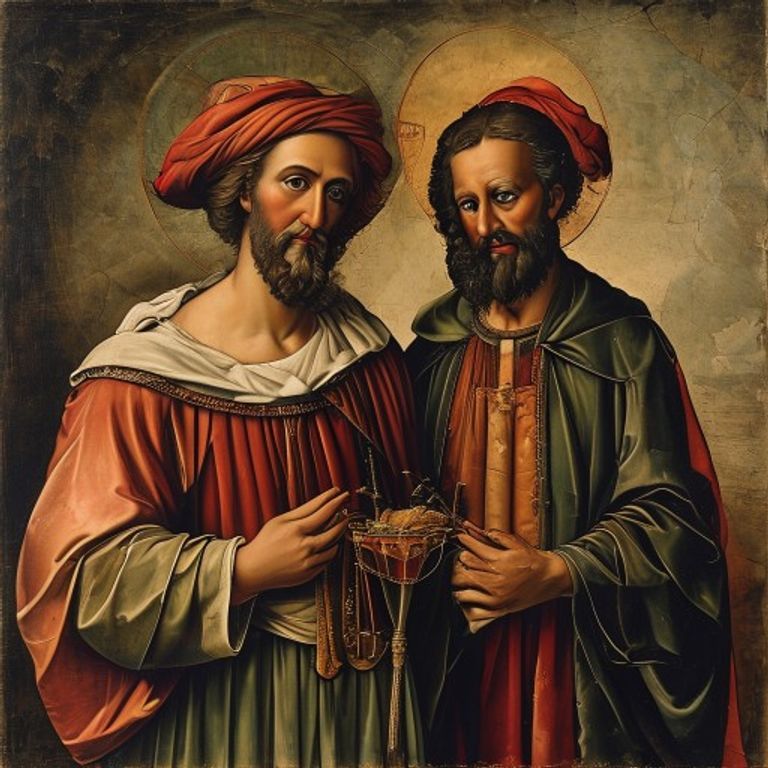
This municipality in the State of Mato Grosso is celebrated in works that describe riverine culture and traditional festivals, serving as a reference point for literature seeking the roots of the state.
⚠️ Research elaborated with the aid of Deep Research is subject to referential ambiguity.
🖥️ Clean HTML code using a proprietary tool.
👥 Research by Guilherme Felipe, Curation by Sílvio Lôbo
The Literature of Santo Antônio de Leverger: Echoes of the Pantanal and Baixada Cuiabana
The literature of Santo Antônio de Leverger, a municipality nestled in the rich landscape of Mato Grosso, on the banks of the Cuiabá River and a gateway to the Pantanal, is a multifaceted mirror of its unique cultural identity. More than a mere catalog of works and authors, the local and regional literary production radiating from Leverger constitutes a living repository of the memories, customs, challenges, and exuberance of a people and a territory forged by the symbiosis between man and nature. As a literary critic and researcher, delving into this literature is like diving into a current that, though sometimes silent to major centers, pulses with the telluric force of its soil.
The Literary Cradle and Its Historical Roots
Santo Antônio de Leverger, with its history of gold mining, fishing, agriculture, and intense riverine life, offers fertile ground for narrative. The very foundation and evolution of the municipality are intrinsically linked to tales of pioneers, indigenous legends, and the vicissitudes of territorial occupation. Literature here is not born solely from pens but from a robust oral tradition, passed down from generation to generation – fishermen's tales, legends about creatures of the river and the Pantanal, viola songs, and prayers. This intangible heritage is the subsoil from which the first written manifestations emerge, often with a documentary and ethnographic character, even before they consolidated as "literature" in the strict sense.
The first written records that touch upon the region often come from chroniclers and travelers, who described life on the banks of the Cuiabá and the peculiarities of the "ribeirinhos" (river dwellers) and "pantaneiros" (Pantanal dwellers). These external observations, while not local literary productions, served as a starting point for the inhabitants themselves to later rewrite their stories in their own voice, contesting or confirming initial perceptions.
Authors and Their Contributions: Voices of the Land
Identifying "great" authors born strictly in Santo Antônio de Leverger can be a challenge, given the particularity of literary production centers in Brazil. However, it is crucial to recognize the importance of regional writers whose works capture the essence of Leverger and the Baixada Cuiabana, as well as those who, even if not natives, dedicated their pens to the region. Leverger's literature often manifests through:
- Poets of Riverine and Pantanal Life: Many local and regional bards find inspiration in the dynamics of the rivers, the fauna and flora of the Pantanal, and the simple yet profound daily life of the riverside communities. Their poems often celebrate natural beauty, the resilience of the people, and the melancholy of the passage of time, with a language steeped in regionalisms. An example, though more broadly Pantanal-focused, that resonates with the spirit of the region is the poetry of Manoel de Barros, who, with his metalinguistic approach and attention to the "unimportant," echoes the appreciation for the micro-universe that is dear to Leverger's identity. Although not from Leverger, his legacy permeates Mato Grosso's literary sensibility.
- Local Chroniclers and Historians: The concern for preserving Leverger's memory generates a rich production of chronicles and historical essays. Authors like the legendary Adelino de Paula Leite (though more associated with Cuiabá and the Baixada as a whole) and other local researchers have documented the municipality's evolution, its personalities, its festivities, and its transformations. Their works are primary sources for understanding the soul of the region.
- Short Story Writers and Fiction Writers of Customs: Life in Leverger, with its popular festivals, its folkloric characters, and its intricate human relationships, is a feast for fiction. Many regional short stories portray the lives of fishermen, the hardships of past gold miners, the loves and heartbreaks in riverside villages, and the persistence of beliefs and superstitions. This literature often serves as a bridge between the real and the magical, reflecting the region's cultural syncretism.
Literary Movements and Prevalent Themes
The literature of Santo Antônio de Leverger, and by extension the Baixada Cuiabana, largely falls within Regionalism, a movement that in Brazil has always sought to value the particularities of each corner. However, it is not a static regionalism; it dialogues with social and environmental transformations. The most recurring themes include:
- Nature and Landscape: The Pantanal, the Cuiabá River, the floodplain, the flora, and the fauna are central elements. Literature often takes on a tone of environmental denunciation or celebration of natural beauty.
- Riverine and Pantanal Identity: The life of the "river man" or the "Pantanal man" is explored in its dimensions of struggle for subsistence, deep connection with the environment, and ancestral wisdom.
- Historical and Cultural Legacy: Indigenous, African (like the quilombolas of the region, such as Moinho, etc.), and Portuguese heritage intertwine in the narrative, revealing religious syncretism, legends, accents, and ways of life.
- Social Criticism: Many authors address inequalities, social exclusion, the challenges of modernization, and the loss of traditions in the face of progress.
- Memory and Nostalgia: There is a strong tendency to retrieve the past, the simple life of yesteryear, which is often reflected in a nostalgic and elegiac tone.
Important Publications and Means of Expression
The circulation of literature from Leverger and the Baixada Cuiabana occurs through various channels. Major national publishers are rarely the first stage. Instead, literary production finds resonance in:
- Regional and Independent Publishers: Small publishing houses in Cuiabá and other towns in the interior of Mato Grosso play a crucial role in publishing local authors.
- Anthologies and Collections: Organized by cultural institutions, universities, or even groups of writers, these publications bring together diverse voices and genres.
- Local Newspapers and Magazines: In the past, and still today on a smaller scale, cultural supplements and literary columns in newspapers from the Cuiabá and Várzea Grande region served as showcases for new talents.
- Academia Mato-Grossense de Letras (Mato Grosso Academy of Letters): Although based in Cuiabá, the AML is a hub for literary production in the state, including authors with roots or themes related to Leverger. Its publications and events serve to legitimize and disseminate important works.
- Cultural Events and Book Fairs: Literary fairs and literary gatherings in Cuiabá and neighboring municipalities are important moments for authors and readers to connect.
Local Cultural Identity Reflected in Books
The identity of Santo Antônio de Leverger is a vibrant cultural mosaic, and literature is its main guardian. Books reveal the "Levergerense" and "riverbank Cuiabano" in their deepest nuances:
- Regional Speech: The language of the characters is a treasure, filled with "cuiabanismos" (localisms from Cuiabá), Pantanal expressions, and archaisms that reveal the authenticity of the local way of life. Orality is transposed to the text, giving life and color to the narrative.
- Festivals and Traditions: The Santo Antônio Festivals, river processions, folkloric dances like Cururu and Siriri, religious rituals, and popular beliefs are recurring elements that not only adorn the plot but are an intrinsic part of the characters' and the community's identity.
- Cuisine and Knowledge: Recipes for grilled fish, moquecas, cashew and guarana sweets, and popular wisdom about the use of herbs and weather forecasting are often woven into the narratives, showing how empirical knowledge is a fundamental part of existence.
- Relationship with Water: Life in the municipality is modulated by the rhythm of the river. Floods and droughts, fishing as subsistence and leisure, river dwellers and their boats are more than scenery; they are characters that shape destinies and worldviews.
- Resilience and Humor: Faced with the adversities of nature and life, Leverger's literature often highlights the resilience of its people, seasoned with peculiar humor and a practical, sometimes fatalistic, worldview.
In summary, the literature of Santo Antônio de Leverger is a microcosm of the Mato Grosso soul, an ode to the simple and complex life on the banks of the Cuiabá, and a testament to the cultural richness of the Pantanal. It fulfills the essential role of preserving memory, celebrating identity, and giving voice to a people who, with their wisdom and persistence, continue to write their history in the waters and on the land of Leverger.



