


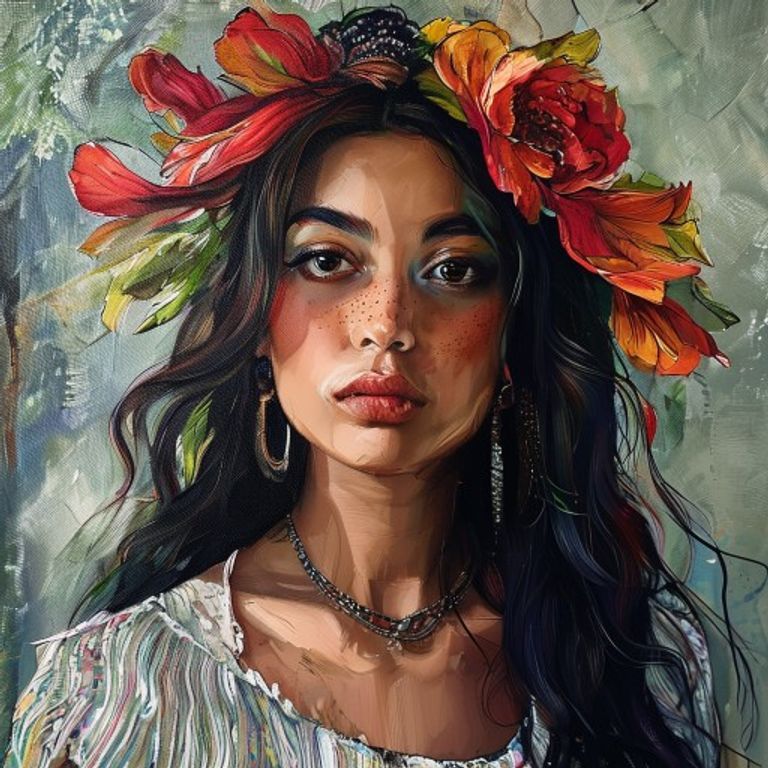
This municipality in the State of Acre has a strong literary tradition linked to the history of ancient valleys and rubber plantations, being the place of origin for intellectuals who documented the social formation and cultural roots of the Acrean people.
⚠️ Research elaborated with the assistance of Deep Research is subject to referential ambiguity.
🖥️Clean HTML code using a proprietary tool.
👥 Research by Guilherme Felipe, Curation by Sílvio Lôbo
The Forest, the River, and the Word: An Essay on Literature in Sena Madureira
Sena Madureira, a municipality nestled in the heart of the Acrean Amazon, is not just a point on Brazil's geographical map; it is a microcosm of stories, cultures, and struggles that, though often relegated to the margins of major literary centers, pulse with a unique intensity. The literature produced or inspired in this region, whether by authors born within it or by those who adopted it as a source of inspiration, constitutes a textual corpus of immense relevance for understanding Amazonian and Brazilian identity.
The condition of being a frontier, the legacy of the rubber boom, the vibrant presence of indigenous and riverside communities, and the vastness of the forest shape not only life in Sena Madureira but also its artistic expression. Acting as a literary critic and researcher, I intend to delve into the depths of this production, uncovering its main authors, movements, publications, and the indelible mark of local cultural identity reflected in its pages.
The Stage and the Pen: Sena Madureira and Its Literary Context
To understand the literature of Sena Madureira, it is imperative to contextualize it. The region, bathed by rivers like the Iaco, is a setting of rich biodiversity and complex social history. The saga of the rubber tappers, the exploitation of latex, the migration of Northeasterners in search of opportunities, land conflicts, and the resistance of indigenous peoples are the pillars upon which the local narrative is built. Literature, in this context, is not merely aesthetic; it is a testimony, a record, a voice emerging from the depths of the forest.
Given its location and history of isolation, literary production in Sena Madureira and Acre as a whole often manifests through chronicles, poems with strong regional attachment, and narratives that border on magical realism, due to the exuberance of the landscape and the richness of myths and legends. Orality, moreover, plays a fundamental role, being the substrate of many stories that later find their way into writing.
Voices of the Forest: Authors and Their Works
Although the visibility of authors from more remote regions is a challenge, Sena Madureira has its own voices, and often, Acrean literature as a whole represents the essence of municipalities like Sena Madureira. Among those who dedicated part of their lives or works to the region, or whose themes resonate deeply with it, we can highlight:
- José Rodrigues de Santana (Zezão): Although better known as a historian and memorialist, Zezão is an emblematic figure of Sena Madureira. His chronicles and books, such as Sena Madureira: Terra de Homens e Lendas (Sena Madureira: Land of Men and Legends), are primary sources for understanding the history, culture, and characters that shaped the municipality. His work, while not purely fictional, is a literary record of local identity, capturing the daily life, popular sayings, and the soul of the place.
- Acrean Authors with Relevant Themes: Many writers from Acre, even if not strictly from Sena Madureira, address in their works the themes that define the region. Names like Marcos Afonso, with his poetry immersed in the Amazonian landscape, Raimundo Pinheiro, with his narratives exploring riverside life and the challenges of the forest, and Ruth Costa, who frequently delves into the traditions and struggles of the Amazonian peoples, resonate directly with the experience of Sena Madureira. Their works, whether short stories, poems, or novels, are mirrors of life in the Acrean interior, where the forest is both character and destiny.
- Popular Poetry and Emerging Production: There is also a vast production of popular poetry and works by less formally published local authors, whose works circulate in handmade booklets, recitals, and cultural events. This layer of literature is vital for keeping local identity alive, addressing the daily life, festivals, loves, and sorrows of the people of Sena Madureira.
The works of these authors, and of so many other anonymous or restricted-circulation ones, revolve around recurring themes: the overwhelming and inspiring nature, the figure of the rubber tapper as a tragic and resilient hero, the river as the pulsating vein of life, the challenges of colonization, and the clash between man and the jungle.
Trajectories and Currents: Literary Movements and Influences
In Sena Madureira, as in most of the Amazon, literature does not rigidly adhere to metropolitan aesthetic movements but absorbs and reinterprets influences, generating a current with a strong regionalist accent. This regionalism, however, is not merely descriptive; it is the backbone of a literature that seeks to understand and express the peculiarities of its environment.
- Regionalism and Social Realism: The main current that permeates local production is regionalism, focused on the representation of the landscape, customs, and social dramas. This intertwines with social realism, denouncing working conditions in rubber tapping posts, exploitation, land conflicts, and the struggle for survival. The legacy of rubber, migration, and land issues are central themes.
- Modernism and the Search for a National/Regional Identity: Although late and adapted, the modernist ideal of valuing the national and regional, colloquial language, and breaking rigid patterns found an echo. Many authors sought their own language, free from external impositions, to sing about their land.
- Indigenous and Resistance Literature: More recently, the voice of indigenous peoples has emerged strongly, bringing ancestral worldviews, myths, and denouncing environmental and cultural destruction. Although not directly from Sena Madureira, Acre's indigenous literature is representative and mirrors the reality of the indigenous peoples who inhabit the region, offering a crucial perspective.
These are not formal literary movements with manifestos and organized groups, but shared tendencies and sensibilities that reflect the search for an authentically Amazonian and Acrean literary identity.
Where Words Come to Life: Publications and Dissemination
The dissemination of literature in regions like Sena Madureira faces challenges inherent in the scarcity of publishers, distributors, and bookstores. However, the persistence of writers and cultural enthusiasts ensures that words find their way:
- Local Press and Historical Periodicals: Old local newspapers and bulletins, such as those that existed in Sena Madureira at different times, were and are important vehicles for publishing poems, chronicles, and short stories by authors from the region. They function as living archives of cultural production.
- Acrean Anthologies: Compilations of authors from Acre, organized by cultural entities or universities, are fundamental for giving visibility to writers from municipalities like Sena Madureira. These anthologies allow local production to reach a wider audience within the state and, sometimes, beyond.
- Independent and University Presses: Small publishers and universities in Acre (such as UFAC) play a crucial role in fostering and publishing works by local authors, often being the only ones to venture into regional themes.
- Digital Platforms and Social Networks: In the contemporary scenario, the internet offers a new space for dissemination. Many writers share their works on blogs, personal websites, and social networks, overcoming geographical and publication barriers.
The municipal library, schools, and local cultural centers also play a vital role in preserving and promoting reading and writing.
The Mirror and the Essence: Cultural Identity in Books
The literature of Sena Madureira is a multifaceted mirror of its cultural identity, capturing and reverberating the elements that define the Amazonian and Acrean being:
- The Rubber Tree and the Rubber Tapper: The figure of the rubber tapper is central, not just as a worker, but as a symbol of resistance, of deep connection with the forest, and of an ethic of life forged in adversity. The rubber tree, in turn, is more than a tree; it is the tree of life, of subsistence, and of history.
- The River as Vein and Path: The rivers are characters in themselves, representing both the source of life and food and the main means of transport and communication. They are paths, borders, and the very soul of the region.
- Myths and Legends: Literature draws heavily from Amazonian folklore, incorporating legends of enchanted beings, forest deities, and ghost stories, which mix the real and the fantastic and reveal the rich local cosmology.
- Ethnic Plurality: The coexistence (not always peaceful) between indigenous people, Northeastern migrants, and descendants of colonizers generates a complex cultural tapestry. Literature explores this diversity, the clashes, and the cultural fusions.
- Struggle and Hope: The history of Sena Madureira is one of struggle – for land, for life, for preservation. Literature reflects this resilience, but also ignites the flame of hope for a more just and sustainable future.
Through these lenses, the literature of Sena Madureira unveils not just a piece of Acre, but a vital piece of Brazilian identity itself, a country that is intrinsically Amazonian in its formation.
Conclusion
The literature of Sena Madureira, and by extension, the literature that emanates from it or represents it, is a cultural treasure that deserves greater recognition and study. It is the voice that rises from the forest, telling stories of men and women who, in their daily struggle with the imposing nature, forged a unique existence and identity.
More than a mere aesthetic record, this literature is a historical document, a cry of resistance, and an invitation to reflect on the Amazon, its peoples, and its future. By delving into its pages, we are transported to a universe where the forest whispers secrets, the rivers sing of life, and the word becomes the most powerful tool for understanding the soul of a people and a place that insists on flourishing, even in the shadow of indifference.



