


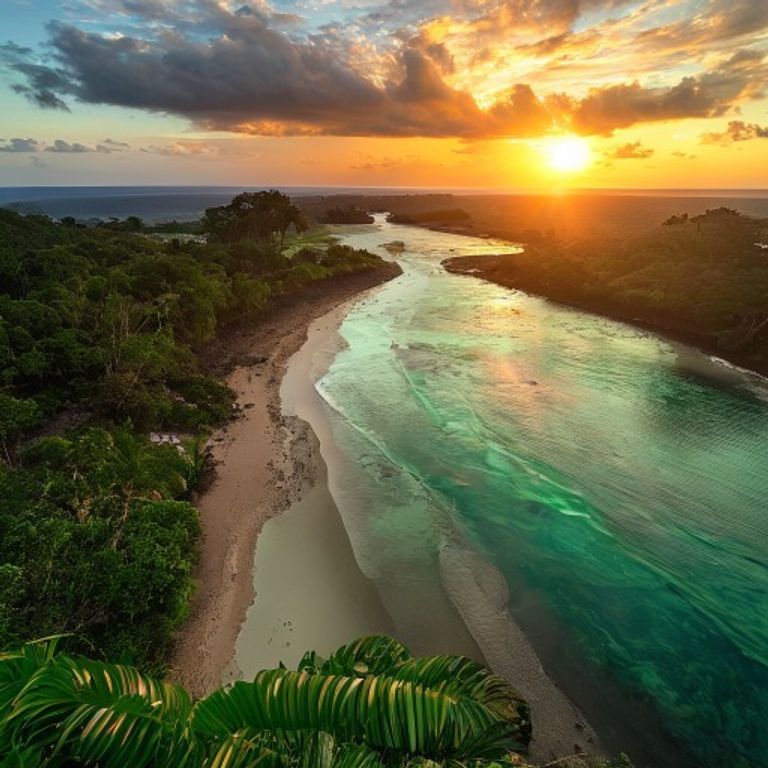
This municipality in the state of Tocantins is the stage for a growing literary scene, with authors exploring the city's strategic position as a gateway to the Amazon and the cultural transformations brought about by national rail integration.
⚠️ Research conducted with the aid of Deep Research may be subject to referential ambiguity.
🖥️Clean HTML code using a proprietary tool.
👥 Research by Guilherme Felipe, Curation by Sílvio Lôbo
The Literature of Tocantins Paradise: A Critical and Research Overview
Tocantins, a young state with a vibrant cultural identity, has its literary production as a mirror of its landscapes, its history, and its people. "Tocantins Paradise," as the region is affectionately nicknamed, is the stage for literary effervescence that, although still consolidating in some aspects, already features prominent authors, embryonic movements, and publications that become milestones in the state's narrative.
The analysis of Tocantins literature requires a perspective that transcends traditional metrics, embracing orality, regional traditions, and the very construction of identity of a people who settled in a territory still in formation. It is in this context that authors born or based in the state play a fundamental role, acting as chroniclers, poets, and storytellers who shape the local imagination.
Prominent Authors and Their Contributions
Among the names that stand out in the literary scene of Tocantins, some deserve special attention for their work and the way they portray the essence of the region:
- José de Jesus Viana (J. J. Viana): Considered one of the pillars of Tocantins literature, J. J. Viana's work has a deep connection with the sertanejo traditions and rural life. His novels and short stories often explore the difficulties and beauties of the sertão, religiosity, human relationships, and the struggle for survival. His language, rich in regionalisms, lends authenticity and strength to his narratives.
- Germano Taquary: With poetry that pulses with Amazonian and Tocantins identity, Germano Taquary is known for his sensitivity in portraying nature, rivers, fauna, and flora. His poetic work, often marked by poignant lyricism, invites reflection on the relationship between humans and the environment and on ancestry.
- Luiz Carlos V. Neves: Active in various literary fronts, Luiz Carlos V. Neves has stood out for his prose that addresses social, historical, and existential themes. His writing, often thought-provoking and questioning, seeks to unveil the complexities of Tocantins society and the dilemmas of the contemporary individual.
- Dinalva Aires: A poet and short story writer, Dinalva Aires contributes to Tocantins literature with her female voice, addressing issues of gender, emotions, and daily life. Her work is marked by lyrical delicacy and the ability to capture nuances of the human experience.
- Edilberto Bezerra (Dito Bezerra): A sharp chronicler, Dito Bezerra, in his chronicles, often captures the soul of Tocantins' daily life, with humor, sensitivity, and a keen eye for the events that shape life in the region.
It is important to note that this list is just a sample of the rich talent present in the state, with many other emerging writers, poets, and chroniclers contributing significantly to the Tocantins literary collection.
Historical and Current Literary Movements
Tocantins, being a recently created state (1988), does not have historical literary movements with the same antiquity and consolidation as other regions of Brazil. However, it is possible to identify a strong effervescence since its emancipation, marked by:
- The protagonism of the pioneering generation: Many of the authors who are now references in Tocantins literature actively participated in the cultural construction of the state from its beginnings. Their works often reflect the process of settlement, the formation of cities, and the challenges faced by the pioneers.
- The rise of literary academies: The establishment of literary academies in various cities in the state has been a catalyst for organizing writers, promoting literary events, and publishing anthologies that bring together new talents.
- The influence of regionalist literature: The strong regional identity of Tocantins, with its landscapes, customs, and legends, exerts a primary influence on literary production. The search for faithful representation of these characteristics is a striking feature.
- The emergence of independent production groups: In a constantly changing scenario, groups of writers have organized independently to publish their works, hold literary gatherings, and promote debates, fostering a collaborative network for literary production and dissemination.
Important Publications and the Legacy
Identifying "important publications" in a developing state like Tocantins is a dynamic process. However, some works and editorial initiatives have stood out for their impact:
- Anthologies of short stories and poetry: The publication of anthologies that bring together various Tocantins authors has been fundamental in giving visibility to new talents and consolidating the state's literary production.
- Individual works by established authors: The books by authors such as J. J. Viana and Germano Taquary, for example, are milestones that form the basis of the Tocantins literary canon.
- Literary magazines and periodicals: The circulation of literary magazines, even if often ephemeral, plays a crucial role in disseminating new texts and discussing cultural production.
- Pocket editions and accessible publications: Initiatives aimed at making Tocantins literature more accessible to the population, with pocket editions and distribution in libraries and schools, are of great value for the democratization of access to culture.
The legacy of Tocantins literature lies in its ability to tell the stories of a state that is being built, to preserve the memory of its people, and to project, through words, its unique identity to Brazil and the world.
Local Cultural Identity Reflected in Books
The cultural identity of "Tocantins Paradise" is a recurring and multifaceted theme in the region's literary production. This identity manifests in various ways:
- The mysticism and enchantment of nature: The exuberance of Tocantins' fauna, flora, rivers, and landscapes inspires works that explore mysticism, legends, myths, and the feeling of belonging to this unique biome.
- Ancestry and cultural roots: The influence of indigenous and sertanejo cultures, as well as the history of migration and occupation of the territory, are recurring themes that seek to rescue and value the state's cultural roots.
- The customs and daily life of the people: Life in the countryside, the routine of small towns, popular festivals, cuisine, and the social relationships of the Tocantins people are portrayed with authenticity, providing a vivid and human portrait of the region.
- Hope and the challenges of building a new state: Literature also delves into the optimism and challenges inherent in the formation of a new state, exploring the expectations, difficulties, and resilience of its inhabitants.
- Regionalism as an element of valorization: The use of regionalisms in language, the detailed description of local settings and customs are not mere stylistic elements, but powerful tools for affirming and valuing Tocantins' identity.
In summary, the literature of Tocantins Paradise is a living organism, constantly evolving, that draws nourishment from its landscapes, its histories, and, above all, its people. Literary research and criticism play a fundamental role in giving visibility to this production, contextualizing it, and demonstrating its invaluable contribution to the formation of the Brazilian cultural imagination.



