


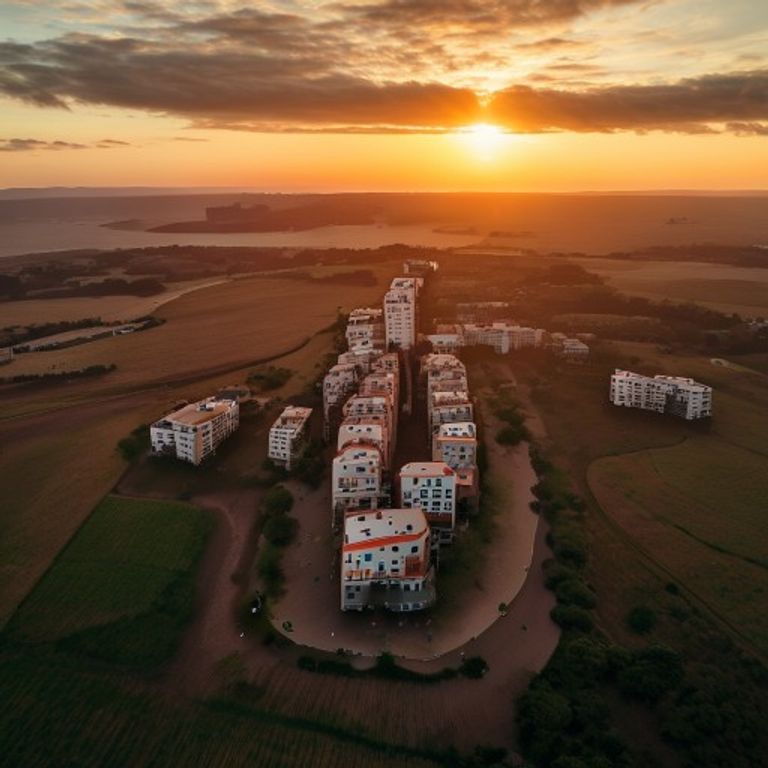
This municipality in the State of Alagoas is recognized as the Athens of Alagoas, being the birthplace of the folklorist Théo Brandão and the writer José Aloísio Vilela, keeping alive a tradition of intellectuals and popular culture.
⚠️ Research conducted with the aid of Deep Research is subject to referential ambiguity.
🖥️Clean HTML code using a proprietary tool.
👥 Research by Guilherme Felipe, Curation by Sílvio Lôbo
Literary Viçosa: A Mosaic of Voices and Identities
The city of Viçosa, in Minas Gerais, known for its bucolic atmosphere and vibrant academic environment, boasts a rich and multifaceted literary tradition. Far from being a mere backdrop, the region has revealed itself as fertile ground for the flourishing of authors, movements, and publications that capture and project the local cultural identity in its most diverse nuances.
Roots and Branches: Significant Authors
Viçosa's literature is honored by a constellation of authors who, either by birth or adoption, have left their indelible mark on the Brazilian literary scene. Among the names that resonate with particular strength is Darcy Ribeiro. Although his work has national and international reach, his connection to Viçosa, where he lived and worked in his youth, is fundamental to understanding part of his intellectual formation and his anthropological vision.
Another prominent figure is Fernando Sabino. Although his best-known work is associated with Belo Horizonte, Sabino was born in Belo Horizonte but lived in Viçosa for a significant period, leaving a trail of memory and inspiration in the city. His novels, filled with lyricism and sharp observations about everyday life and human relationships, often echo a certain nostalgia and the simplicity of small-town life.
It is also crucial to mention authors who, although less known nationally, are pillars of local literary production. The contemporary scene is animated by poets, short story writers, and novelists who use Viçosa as a stage, inspiration, or even as a character in their works. The university, with its faculty and student body, has been an important driver in the diffusion and creation of literature, fostering the emergence of new talents.
Movements and Publications: Echoing Time
Throughout its history, Viçosa has witnessed the effervescence of different literary movements, even if not as rigidly demarcated as in large urban centers. The academic atmosphere, with its constant exchange of ideas and debates, favored the emergence of groups with diverse aesthetic and thematic proposals. Modernism, with its search for a freer language and the valorization of national culture, certainly found an echo in the region's literary production.
Publications, in turn, are essential thermometers of local literary activity. The city has several initiatives from independent publishers and collectives dedicated to giving visibility to authorial production, both from established authors and new talents. Literary magazines, anthologies of short stories and poems, and academic production on local literature itself play a vital role in preserving and disseminating Viçosa's literary legacy.
The Federal University of Viçosa (UFV), in particular, plays a preponderant role. Its Letters departments and related areas promote literary events, publish research, and encourage creation. The journal "Letras de Hoje", for example, is an important space for the publication of academic articles and literary texts.
Cultural Identity on Stage: Viçosa in Books
Viçosa's cultural identity, with its green landscapes, university atmosphere, Minas Gerais traditions, and interpersonal relationships, is frequently portrayed and reinterpreted in literary works. The city, with its unique topography and its own rhythm, serves as inspiration for narratives that address:
- University life and its intellectual and social challenges.
- The simplicity and beauty of the Minas Gerais countryside, often in contrast with the complexities of modern life.
- Human relationships in a small-town environment, with its peculiarities and intimacy.
- The preservation of memory and the search for a sense of belonging.
- Environmental issues and the relationship between humans and nature, given the region's strong connection to agronomy and sustainability.
In summary, Viçosa's literature is a living and dynamic reflection of its land and its people. Through the pages of its authors, the city gains literary contours, offering the reader a dive into its landscapes, its characters, and its soul, reaffirming its place in the vast and pulsating panorama of Brazilian literature.



