


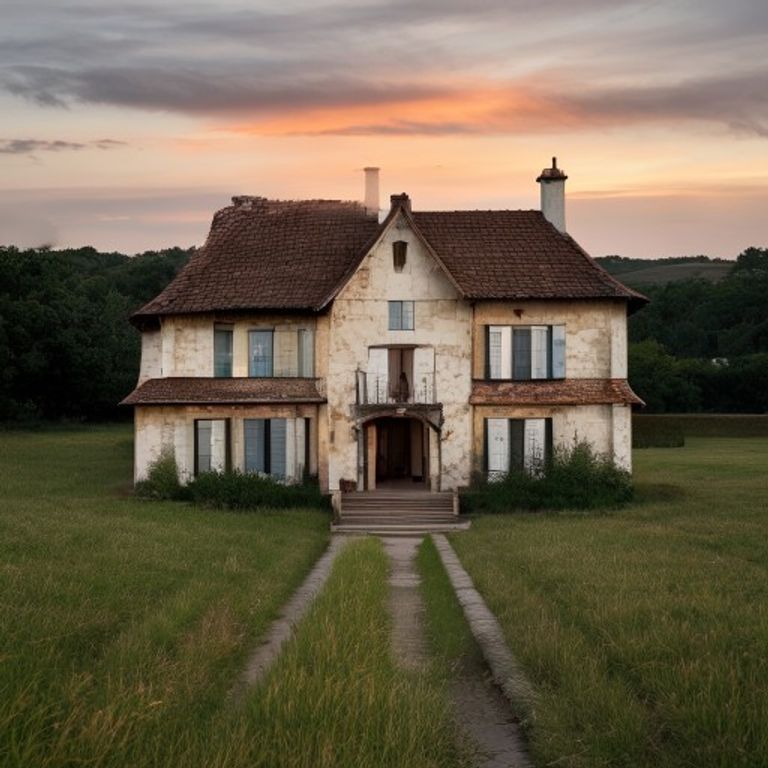
This municipality in the State of Espírito Santo is a source of inspiration for historical and religious works linked to the Convento da Penha, as well as being the setting for contemporary narratives that explore Capixaba coastal life.
⚠️ Research conducted with the aid of Deep Research is subject to referential ambiguity.
🖥️Clean HTML code using a proprietary tool.
👥 Research by Guilherme Felipe, Curation by Sílvio Lôbo
The Tide and the Letter: An Essay on the Literature of Vila Velha
Vila Velha, with its centuries-old history intertwined with the very founding of Espírito Santo, is more than a postcard of natural beauty and historical landmarks like the Convento da Penha. It is also fertile ground for cultural effervescence, where literature, often underestimated in the national panorama, finds poignant voices and narratives that echo the Capixaba soul. As a literary critic and researcher, I propose an immersion into the literary waters of Vila Velha, unveiling its authors, movements, publications, and the indelible mark of local identity on its pages.
Roots and Flourishing: The Historical Landscape of Canela-Verde Literature
Literature in Vila Velha, much like in many Brazilian cities with colonial formation, developed gradually, initially tied to historical chronicles and more classical poetry. It's not possible to pinpoint an autonomous and exclusively "Canela-Verde" literary movement in the distant past, but rather an integration and, at times, a reinterpretation of the movements sweeping Brazil. In the 19th and early 20th centuries, production was often memorialistic or laudatory in nature, but it already carried the seed of a local identity, which was beginning to perceive its own surroundings as worthy of artistic representation.
With the rise of Modernism in Brazil, the literature of Vila Velha, though not an epicenter of the movement, began to absorb new aesthetics. Authors started to seek a more unadorned language and themes closer to local reality, freeing themselves from European constraints. This was a crucial phase for the formation of a "literary consciousness" that, years later, would result in more authentic and regionalized production.
Canela-Verde Voices: Featured Authors
The literary production of Vila Velha is rich and diverse, featuring names that have significantly contributed to local and Capixaba culture. Among them, we can highlight figures who, through their work or activities, have marked the literary landscape:
- Francisco Aurélio Ribeiro: Historian, professor, and writer, Francisco Aurélio is a central figure in the intellectual production of Vila Velha. His vast work encompasses historical essays, short stories, and chronicles that delve into the roots of the city and the state, recovering memories and characters that shaped the local identity. His texts are primary sources for understanding Capixaba history and an example of how research can be allied with literary narrative.
- Eliana Zandonade: Poet and academic, Eliana Zandonade represents the contemporary voice that explores universal themes with particular sensitivity. Her poetry, often permeated by reflections on the feminine, nature, and the complexities of human existence, resonates with the city's atmosphere, especially the relationship with the sea. She is one of the most active voices in the current Capixaba poetic scene, with consistent and recognized production.
- Paulo Roberto Sodré: A member of the Espírito Santo Academy of Letters, Sodré is a poet and chronicler whose work captures the daily life, landscapes, and emotions of Capixaba life. His texts are marked by accessible yet profound language, inviting the reader to reflect on time and memory.
- Other Voices: It is important to mention that the literary scene in Vila Velha is dynamic and hosts several other authors, including young talents in poetry, prose, and children's and young adult literature, who often find space in collectives and independent publications to disseminate their works.
Movements and Trends: The Literature of Vila Velha in the Capixaba Context
The literature of Vila Velha cannot be isolated from the broader context of Capixaba literature. Although there isn't a specific "Vila Velha Movement," its authors are part of and contribute to the state's wider trends. Many of them participated in or were influenced by the so-called "Geração Capixaba" (Capixaba Generation) of the 70s and 80s, which sought to revalue regional identity and break away from previous literary models, exploring local language and themes with greater freedom and authenticity.
In contemporary times, the literature of Vila Velha reflects the multiplicity of aesthetics of the 21st century. There is a strong presence of poetry, manifested in various forms, from free verse to experimental poetry. In prose, there is a tendency towards short stories and chronicles, which allow for a more focused exploration of everyday life and urban and social nuances. There is also a growing interest in social, environmental, and identity themes, which dialogue with global and local concerns.
Cultural Identity Reflected on Paper
The cultural identity of Vila Velha is a rich vein for its writers, who explore it in multiple ways. The most evident element is, without a doubt, the sea. The blue expanse, the beaches (Praia da Costa, Itapuã, Coqueiral de Itaparica), fishing, and the relationship with the ocean permeate much of the local poetry and prose, serving as a metaphor for life, the passage of time, and the ephemerality of things.
Another pillar of identity is colonial and religious history. The Convento da Penha, the ultimate symbol of Espírito Santo, appears not only as a landscape but as a framework of faith, mysticism, and tradition. Historical narratives, fictional or not, frequently revisit the founding of Vila do Espírito Santo, the figures of the first colonizers, and the indigenous peoples, weaving a rich tapestry of the past that resonates in the present.
Urbanization and social transformations are also recurring themes. Vila Velha, from an old colonial village to a coastal metropolis, undergoes constant changes. Its authors document this transition, the challenges of urban coexistence, the nostalgia for what has been lost, and the hope for what is to come. The rhythm of the city, its sounds, its smells, the daily lives of its residents are raw materials for literary creation.
Finally, Capixaba culture in general, with its particularities, such as gastronomy (moqueca capixaba), folklore, and the Capixaba way of life, finds an echo in the texts. The search for a voice that is authentically local, yet dialogues with the universal, is one of the hallmarks of the literature produced in Vila Velha.
Publications and Circulation: The Local Literary Ecosystem
The literary ecosystem of Vila Velha is sustained by various initiatives, although circulation in major national circuits remains a challenge. Book publishing often occurs through smaller, local, or regional publishers, or through self-publishing.
- Local and Regional Publishers: While there are no major publishing houses based in Vila Velha with national reach, Capixaba publishers like Cousa (based in Vitória) or independent imprints play a crucial role in publishing authors from Vila Velha, providing an outlet for production that might otherwise not find space.
- Espírito Santo Academy of Letters (AEL) and other associations: The AEL, headquartered in the neighboring capital, Vitória, hosts many writers from Vila Velha and serves as an important forum for discussion, launches, and promotion of Capixaba literature as a whole. Local writers' associations and cultural groups also play a vital role in reader formation and work dissemination.
- Anthologies and Cultural Magazines: Publication in anthologies (often thematic) and smaller cultural magazines is an important avenue for the visibility of new authors and for maintaining literary dialogue in the region.
- Literary Events: Local book fairs, launches, and poetry readings are moments of encounter between authors and readers, fundamental for the vitality of the literary scene.
Conclusion
The literature of Vila Velha is a mirror of the city's rich cultural and historical tapestry. Although it does not boast a grand literary movement or authors with massive national projection, its production is valuable for its authenticity and its ability to express the nuances of a unique cultural identity. Its authors, whether poets, prose writers, or historians, offer a window into the Canela-Verde soul, navigating between the waves of the sea, the stones of the convent, and the challenges of modernity. By valuing and researching this literature, we contribute not only to the recognition of local talents but also to a deeper understanding of the diversity and richness of Brazilian literary creation.



