


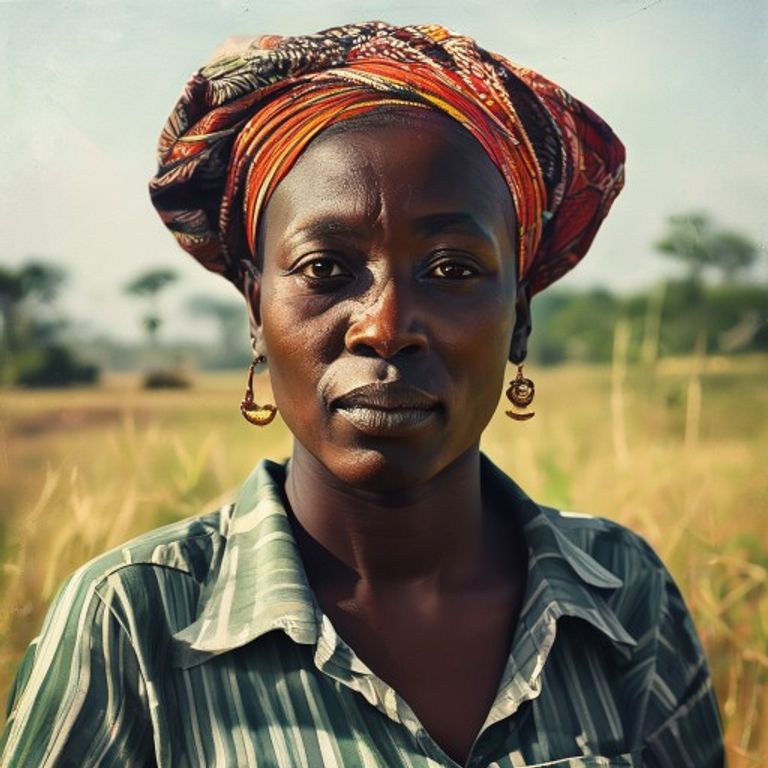
A rapidly developing nation, Angola is rich in natural resources, especially oil and diamonds. Its vibrant culture blends the heritage of Bantu peoples with Portuguese influence, visible in Luanda's architecture and language. The country, reborn after decades of conflict, enchants with its kizomba music, gastronomy, and the impressive Kalandula Falls.
Angolan literature is a fundamental pillar in the construction of national identity, shaped by centuries of history, from a rich oral tradition to a vigorous post-colonial affirmation project. To help you understand this trajectory, the article is organized as follows:
-
Roots and resistance: analyzes the foundation of written literature and anti-colonial movements.
-
Generations, schools, and voices: traces the evolution of literary movements and their main authors.
-
Contemporary panorama: explores the current literary scene and its vitality.
-
Canon and references: offers a guide to essential works for in-depth study.
Roots and Resistance: The Pillars of National Literature
Angolan literary history is marked by a clear dialectic between colonial imposition and identity affirmation.
1. The Beginnings and Colonial Literature (19th Century - mid-20th Century)
Written literature emerged in Angola in the 19th century, with the poet José da Silva Maia Ferreira and his work "Espontaneidades de Minha Alma" (1849), considered an initial landmark. However, this period is characterized by "colonial literature", produced by Portuguese and assimilated Angolans, which portrayed the country from an exotic and folkloric perspective, consolidating the Portuguese cultural domination project. Still within this context, an ambivalent figure emerged: António de Assis Júnior. His novel "O Segredo da Morta" (1929), despite belonging to the colonial canon, is recognized for introducing elements of Kimbundu culture and is considered by many the founder of the Angolan novel.
2. The Cry for Freedom: The "New Intellectuals" Movement
The reaction to cultural domination gave rise, around the 1940s-50s, to the movement "Vamos Descobrir Angola" (Let's Discover Angola), led by the New Intellectuals of Angola. United around publications like the Revista Mensagem (Message Magazine), these writers had a clear political-cultural project: to forge an authentic Angolan national identity. They sought to value national languages (like Kimbundu), folklore, and local customs, against the imposed acculturation. This generation included fundamental figures who were also leaders in the fight for independence, such as the poet Agostinho Neto (who would become the first president of Angola) and Viriato da Cruz. Literature ceased to be a pastime and became a weapon of combat and an instrument of liberation.
Generations, Schools, and Fundamental Voices
From the generation of the "New Intellectuals" onwards, Angolan literature evolved through distinct phases, always in dialogue with the country's turbulent history.
Table 1: Main Generations and Movements of Angolan Literature
| Period / Generation | Historical Context | Literary Characteristics | Authors & Emblematic Works |
|---|---|---|---|
| Generation of the 50s (New Intellectuals) | Pre-independence; anti-colonial struggle. | Literature of combat, nationalist. Focus on identity building and social denunciation. | Agostinho Neto (poetry), Viriato da Cruz (poetry), António Jacinto (poetry). |
| Generation of the 70s (Post-Independence) | War of Independence (1961-75) and Civil War. | Reflection on the armed struggle, revolutionary ideals, and internal contradictions. Critical realism. | Pepetela (Mayombe, 1980), José Luandino Vieira (Luuanda, 1963), Arlindo Barbeitos. |
| Post-War Generation (Late 20th - 21st Century) | End of the civil war (2002), stabilization, and new social challenges. | Social criticism, exploration of new styles, thematic diversity (corruption, identity, memory). More individual and universal approach. | Ondjaki (AvóDezanove e o Segredo do Soviético, 2008), José Eduardo Agualusa (A Rainha Ginga, 2014), Ana Paula Tavares (Amargos Como os Frutos). |
| Contemporary Movements (21st Century) | Urban and globalized Angola. | Aesthetic experimentation, fusion of influences (surrealism, symbolism), strong presence of literary criticism. | Movimento Litteragris (collective), João Melo (O Homem que não Tirou o Palito da Boca). |
Contemporary Panorama: Vitality and Institutions
The current Angolan literary scene is dynamic and institutionalized. The Union of Angolan Writers (UEA) is a historic entity that promotes national literature. More recently, in 2016, the Angolan Academy of Letters was created, consolidating the literary field as national heritage.
A striking phenomenon is the emergence of youth collectives, such as the Movimento Litteragris (founded in 2015). This group represents a new vanguard, seeking a "common poetics" that fuses Angolan literary schools with currents like surrealism and symbolism. They not only produce literature but also promote critical studies, workshops, and publications, demonstrating a mature concern for the theoretical foundation and quality of literary debate in Angola.
The international recognition is a reality: José Luandino Vieira (Prémio Camões 2006), Pepetela (Prémio Camões 1997), and José Eduardo Agualusa (International Dublin Literary Award 2017) are established names in the Lusophone world and beyond.
The Angolan Canon: A Selection of Reference Works
For a deep dive into Angolan literature, these works are essential starting points, representative of different periods and genres:
Table 2: Fundamental Works of Angolan Literature
| Work | Author | Year | Genre | Significance / Central Theme |
|---|---|---|---|---|
| O Segredo da Morta | António de Assis Júnior | 1929 | Novel | Considered the first Angolan novel; blends European customs with Kimbundu traditions. |
| Luuanda | José Luandino Vieira | 1963 | Short Stories | Portrayal of life in the musseques (popular neighborhoods) of Luanda; innovative use of orality. |
| Mayombe | Pepetela | 1980 | Novel | A classic about the liberation struggle, exploring ideological and ethnic dilemmas within the guerrilla. |
| A Gloriosa Família | Pepetela | 1997 | Novel | A historical parody about the Dutch occupation period, questioning national identity. |
| A Rainha Ginga | José Eduardo Agualusa | 2014 | Novel | A modern and irreverent retelling of the life of Queen Nzinga Mbandi, discussing gender and power. |
| AvóDezanove e o Segredo do Soviético | Ondjaki | 2008 | Novel | A poetic and humorous narrative about a childhood in Angola in the 1980s, blending history and fantasy. |
| Amargos Como os Frutos | Ana Paula Tavares | 2005 | Poetry | Lyrical and powerful poetry reflecting on the female condition, history, and memory. |
Conclusion
Angolan literature narrates, above all, a journey of self-affirmation. From silent cultural resistance to the creative explosion post-independence and the critical sophistication of the contemporary era, it has built a robust and unique literary corpus. More than reflecting the nation, it has been an active instrument for imagining and constructing it. Currently, by dealing with the traumas of the past and the challenges of the present, and by achieving international prestige, Angolan literature asserts itself as one of the most vigorous and necessary voices in the Portuguese-language literary landscape.
I hope this article serves as a robust guide for your exploration. If you wish to delve deeper into the work of a specific author or period, I will be happy to assist you.




