


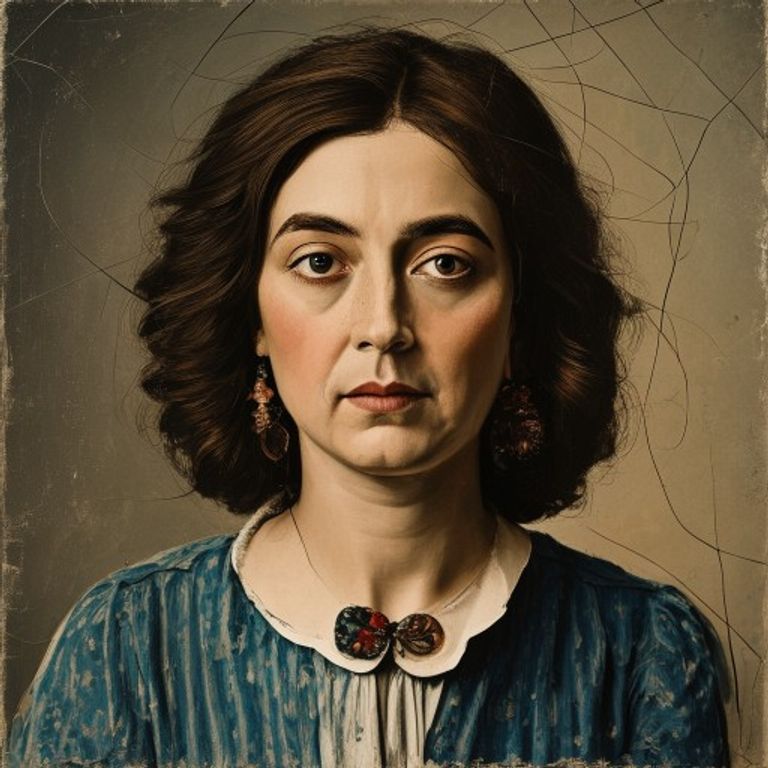
In the 163 short fragments of this work, Oswald de Andrade constructs a semi-autobiographical character, the aforementioned João Miramar.
Sentimental Memoirs is a novel composed of numbered episode-fragments, or instant-chapters, and was published in 1924.
Frenetic, its telegraphic style is full of neologisms and an unusual and innovative sentence structure.
By telling Miramar's story, from childhood, marriage, and affairs, to trips to Europe and financial adventures in cinema, until his widowhood at the time of the armistice (the book mostly takes place in São Paulo from 1912 to 1918), Oswald creates a futuristic novel.
Here, prose and poetry merge completely; some of the fragments "are" poetry.
The book has a preface by a fictional character from the book: Machado Penumbra, a satire on the "intellectuals" of his time, with a pedantic style, people whom Oswald so fought against.
This is the first work of fiction, in Brazilian literature, in which the principles of modernist prose from 1922 to 1930 were experimented with.
It is the combative phase of modernism, and the writer is in search of an artistic means of expression characteristic of modern life.
First published just two years after the Week of Modern Art (1924), this book still disturbs today by the high degree of novelty it introduced into the panorama of Brazilian literature, and can be considered one of the most important texts of Western fiction.
A perfect portrait of São Paulo's bourgeoisie and its conflicts at the beginning of this century, dealing with new values that challenged all their prejudices.
Lyrical, satirical, irreverent, this novel presents Oswald in his best form, resorting
to cinematic and synthetic language, capable of translating all his modernity.
Relevant Aspects
The sentences are simplified, distinguished from useless elements. They achieve elliptical conciseness and telegraphic style. By way of preface, Machado Penumbra, a character in the work, will say:
"Let us calmly await the fruits of this new revolution that presents us for the first time with the telegraphic style and the piercing metaphor.".
The prose of fiction also reveals composition in small blocks, syntactic rupture, constant use of neologisms, and simultaneity.
CHARACTERISTICS OF THE WORK'S STRUCTURE
• Text composed under futuristic influence
• Telegraphic Style
• Cinematic Prose
• text composed under cubist influence
In the 163 short fragments of this work, Oswald de Andrade constructs a semi-autobiographical character, the aforementioned João Miramar.
Sentimental Memoirs is a novel composed of numbered episode-fragments, or instant-chapters, and was published in 1924.
Frenetic, its telegraphic style is full of neologisms and an unusual and innovative sentence structure.
By telling Miramar's story, from childhood, marriage, and affairs, to trips to Europe and financial adventures in cinema, until his widowhood at the time of the armistice (the book mostly takes place in São Paulo from 1912 to 1918), Oswald creates a futuristic novel.
Here, prose and poetry merge completely; some of the fragments "are" poetry.
The book has a preface by a fictional character from the book: Machado Penumbra, a satire on the "intellectuals" of his time, with a pedantic style, people whom Oswald so fought against.
This is the first work of fiction, in Brazilian literature, in which the principles of modernist prose from 1922 to 1930 were experimented with.
It is the combative phase of modernism, and the writer is in search of an artistic means of expression characteristic of modern life.
First published just two years after the Week of Modern Art (1924), this book still disturbs today by the high degree of novelty it introduced into the panorama of Brazilian literature, and can be considered one of the most important texts of Western fiction.
A perfect portrait of São Paulo's bourgeoisie and its conflicts at the beginning of this century, dealing with new values that challenged all their prejudices.
Lyrical, satirical, irreverent, this novel presents Oswald in his best form, resorting
to cinematic and synthetic language, capable of translating all his modernity.
Relevant Aspects
The sentences are simplified, distinguished from useless elements. They achieve elliptical conciseness and telegraphic style. By way of preface, Machado Penumbra, a character in the work, will say:
"Let us calmly await the fruits of this new revolution that presents us for the first time with the telegraphic style and the piercing metaphor.".
The prose of fiction also reveals composition in small blocks, syntactic rupture, constant use of neologisms, and simultaneity.
CHARACTERISTICS OF THE WORK'S STRUCTURE
• Text composed under futuristic influence
• Telegraphic Style
• Cinematic Prose
• text composed under cubist influence



