


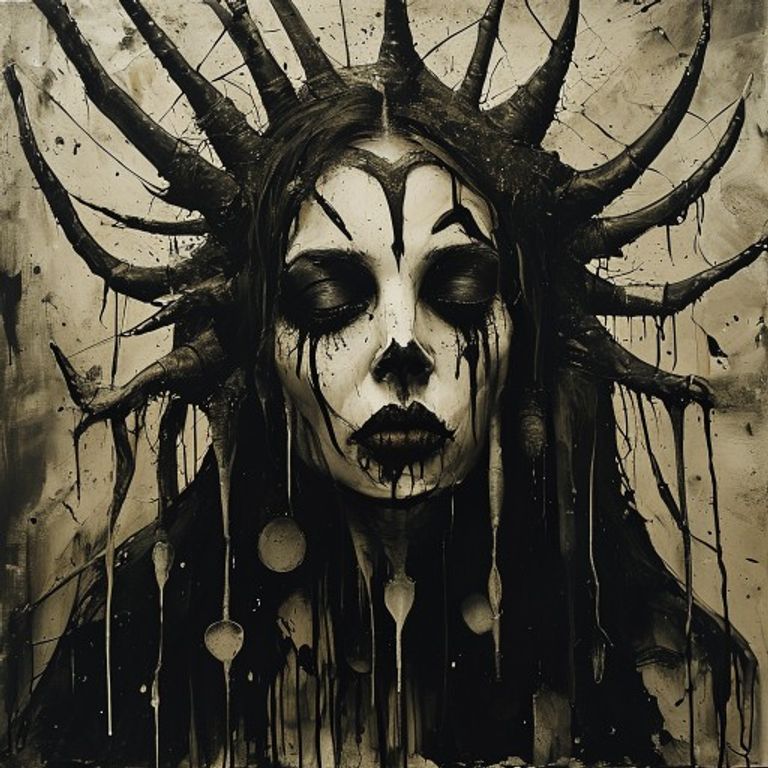
The shooting attack inside a movie theater during the premiere of a Batman film in 2012, raising new debates about gun control in the US.
⚠️ Research conducted with the aid of Deep Research is subject to referential ambiguity.
🖥️ Clean HTML code using a proprietary tool.
👥 Research by Guilherme Felipe, Curation by Sílvio Lôbo
The Aurora Massacre: Shadows on the Premiere Night
On July 20, 2012, a night that promised to be one of celebration and escapism for fans of the Dark Knight turned into an indelible nightmare. The Century Aurora 16 theater in Aurora, Colorado, a suburb of Denver, became the stage for a tragedy that shocked the world and left a trail of unanswered questions. What should have been a triumphant premiere for "The Dark Knight Rises" was brutally interrupted by a shooting attack that claimed lives and left dozens injured, sowing terror in a packed movie theater.
1. The Context and the Incident: The Night Fantasy Turned Into a Nightmare
The release of a film from the Batman franchise, especially one that promised to be the epic conclusion to Christopher Nolan's trilogy, generated a frenzy of anticipation. Countless fans, many of them dressed in costume, gathered in theaters across the country, eager to be the first to witness the climax of the saga. In Aurora, the midnight screening at the Century Aurora 16 was one of those highly anticipated events. However, the atmosphere of excitement gave way to panic when an individual, later identified as 24-year-old James Eagan Holmes, emerged from an emergency exit, armed with an arsenal of firearms and disguised with a gas mask.
The attack was swift and brutal. Holmes, acting with calculated coldness, fired indiscriminately into the crowd. The deafening sound of gunfire, amidst the darkness of the theater, caused disorientation and terror. Witnesses reported scenes of chaos, people running for cover, and the sound of desperate screams overlapping with the film's audio.
2. Timeline of Events: A Countdown to Horror
- July 20, 2012, approximately 12:30 AM (local time): Start of the midnight screening of "The Dark Knight Rises" in theater 9 of the Century Aurora 16.
- Minutes after the film began: James Eagan Holmes, after exiting through an emergency door, enters the theater and begins the attack. He was dressed in tactical gear, including a gas mask and a bulletproof vest.
- Around 12:35 AM: The first calls to emergency services (911) begin to arrive, reporting shots fired in the movie theater.
- Immediately after the attack: Holmes surrenders to police in the theater parking lot without resistance. He was carrying an AR-15 rifle, a 12-gauge shotgun, and two pistols.
- In the following hours and days: Authorities secure the scene, confirm the number of victims, and begin the investigation. The magnitude of the tragedy begins to be revealed to the public.
- Investigation and Trial: The legal process against Holmes spans years, marked by hearings and debates over his mental health.
3. Main Theories: Seeking Meaning in the Chaos
The motivation behind the Aurora massacre has been the subject of intense speculation, with various theories emerging from both the police sphere and the popular imagination.
Scientific and Police Hypotheses:
- Severe Mental Disorder: The theory most widely accepted by authorities and the justice system points to a case of severe mental illness. During the trial, the defense for James Eagan Holmes argued that he suffered from paranoid schizophrenia, which led him to commit the acts. Psychiatric reports and expert testimony were central to this argument.
- "Copycat" Motivation: A hypothesis raised, but less supported by concrete evidence, suggests that Holmes acted inspired by other mass shooters, seeking notoriety or attempting to replicate violent acts that had already occurred. The choice of an event related to a superhero movie, particularly Batman, also fueled speculation about the search for a "character" or a "villain" he would become.
Alternative and Conspiracy Theories:
- Government or Police Conspiracy: As is common in high-profile cases with enigmatic aspects, conspiracy theories emerged suggesting the involvement of government or police agencies. These theories, generally devoid of concrete proof, postulate that Holmes was an "agent" or that the event was orchestrated to justify restrictions on gun ownership.
- Influence of Film or Pop Culture: The direct link to the film "The Dark Knight Rises" sparked debates about the influence of violence in pop culture. Some argued that the film itself, with its dark themes and violent confrontations, could have in some way encouraged or inspired such acts.
- Unknown or Undisclosed Motivations: There is a persistent subtext that Holmes' true motivation may be more complex or not yet fully revealed by official investigations. The lack of a clear manifesto or an obvious motive fuels this speculation.
Paranormal or Supernatural Theories:
- Although less prominent in relation to this specific case, in high-impact mysteries, theories involving supernatural forces or negative energies in specific locations can arise. However, for the Aurora Massacre, there is no credible evidence or reporting to support such explanations. The nature of the crime is fundamentally human and psychological.
4. Controversies and Blind Spots: Fissures in the Official Narrative
The investigation into the Aurora Massacre, while extensive, was not without controversies and points that fuel debate and distrust:
- Meticulous Preparation and Intelligence Failures: The complexity of Holmes' preparation, which included acquiring the arsenal, manufacturing explosives (which were not detonated), and detailed planning of the attack, raised questions about possible failures in intelligence and monitoring systems. Holmes had undergone psychological evaluations and had shown concerning behaviors before the attack.
- Holmes' "Kit" and Enigmatic Messages: The "kit" left by Holmes in his apartment, including an assault helmet, protective gear, and boxes of ammunition, was interpreted as an attempt at staging or sending a message. The lack of an explicit manifesto, however, leaves the interpretation open.
- Conflicting Testimonies and Omitted Details: As in any chaotic event, there were conflicting witness accounts regarding the order of events, the description of the attacker, and the number of shots fired. Forensic analysis sought to reconcile these discrepancies, but some inconsistencies persist in the initial reports.
- Questioning Sanity and the Conviction: The debate over the sanity of James Eagan Holmes was one of the pillars of the trial. Although the justice system found him guilty, the fine line between mental illness and criminal responsibility continued to be a point of deep reflection and controversy for society.
5. Curiosities and Legacy: Scars on the Collective Memory
The Aurora Massacre left deep scars on the community and American culture, reviving the debate over gun control, mental health, and security in public places. The case became a dark milestone in the recent history of the United States.
- The Legacy of Gun Violence: The attack in Aurora contributed significantly to the ongoing and heated debate over gun control laws in the United States. The ease with which the attacker acquired the arsenal reignited the clamor for stricter measures.
- Cultural and Cinematic Impact: The tragedy cast a shadow over the film industry, leading to reevaluations of security at movie premiere events and concerns about the glorification of violence. The film's premiere screening, once a moment of pure euphoria, began to carry a symbolic weight of loss.
- The Silence of the Questioners: The absence of a clearly articulated motive on the part of Holmes created a silence that continues to be filled by speculation. This "void" in the narrative is what, for many, keeps the case alive in people's minds, fueling the search for a meaning that may never be fully reached.
- Current Status: James Eagan Holmes was sentenced to life in prison without the possibility of parole. The case, in terms of judicial resolution, is closed. However, as a historical mystery and a painful chapter of modern history, its questions and shadows persist.
The Aurora Massacre is a brutal reminder that, sometimes, the scariest shadows do not come from movie screens, but from reality, and that some enigmas of human nature may be the hardest to unravel.



