


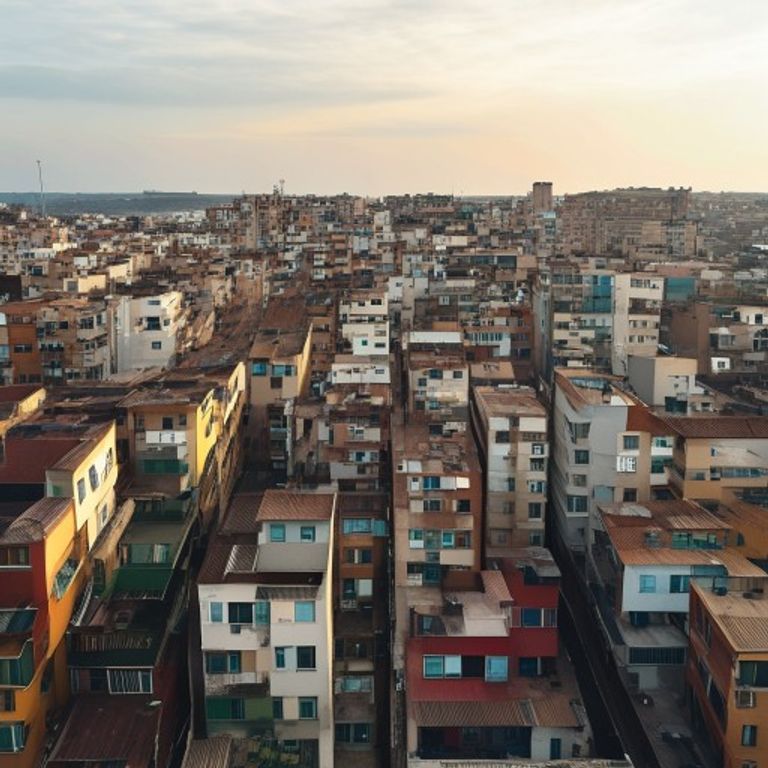
A flagrant case of police violence in Diadema in 1997, filmed by an amateur cameraman, where officers assaulted and killed civilians during a police stop, shocking Brazilian public opinion.
⚠️ Research prepared with the aid of Deep Research is subject to referential ambiguity.
🖥️ Clean HTML code using a proprietary tool.
👥 Research by Guilherme Felipe, Curation by Sílvio Lôbo
The Favela Naval Enigma: A Crime that Haunts Memory
The Favela Naval Case, which occurred on the outskirts of São Paulo, is one of those mysteries that refuses to be forgotten. It is an event that defies simple explanations, leaving a trail of unanswered questions and fueling speculation for decades. This article aims to unravel, with investigative rigor, the contours of this intricate enigma, separating proven facts from the shadows of uncertainty.
1. The Context and the Incident: Where, When, and How the Mystery Began
The story, or rather, the nightmare, unfolded in the early hours of November 18, 1987, in a needy community known as Favela Naval, located in the municipality of Diadema, in Greater São Paulo. The night, which promised to be just another in a routine of hardship and resilience, turned into a scene of horror when a group of military police officers, under the pretext of an anti-crime operation, entered the favela. What followed was a massacre, an event that was initially downplayed and treated as a confrontation, but which subsequent investigations would reveal to be something much darker and more complex.
The central incident lies in the death of eight people, allegedly executed by the police during the invasion. The number of victims, the brutality of the crimes, and the nature of the subsequent investigations gave rise to a case that quickly transcended the police sphere, becoming a symbol of state violence and impunity in Brazil.
2. Timeline of Events
A chronological reconstruction of the facts is crucial to understanding the evolution of the case:
- November 18, 1987 (Early morning): Start of the police operation in Favela Naval, Diadema. Initial reports point to a shootout between police and criminals.
- Morning of November 18, 1987: Discovery of the bodies of eight people in the favela. The victims, mostly young people and residents of the community, had gunshot wounds.
- Subsequent Days and Weeks: The initial official version of a confrontation begins to be questioned by witnesses and family members of the victims, who report summary executions and arbitrary assaults by the police.
- Initial Investigations: The Civil Police and Military Police open inquiries. There are discrepancies regarding the number of shots fired, the origin of the bullets, and the conduct of the officers involved.
- 1990s: The case gains national repercussions, with the involvement of human rights organizations and the opening of lawsuits against the police officers.
- Judicial Decisions: Several officers were tried and some convicted, but the sentences were contested, appealed, and, in many cases, annulled or expired, causing outrage.
- 2000s onwards: The case enters a legal and social limbo, with few significant updates and a widespread feeling of impunity.
3. Main Theories
The Favela Naval Case is fertile ground for theories, ranging from the most rational to the most speculative:
Police and Forensic Theories (Most Likely):
- Confrontation Theory (Initial and Contested Official Version): The idea that the police were fired upon and reacted in self-defense. This theory is widely refuted by forensic evidence (bullet trajectories, absence of weapons on the victims) and by witness testimonies describing an act of revenge or extermination.
- Mass Summary Execution Theory: The strongest hypothesis, accepted by part of the investigation and activists. It suggests that the police invaded the favela with the intention of executing residents, possibly as retaliation for a previous crime or due to a "social cleansing" mentality. Evidence of point-blank shots and the lack of defensive wounds on the victims corroborate this thesis.
- "Inadequate Invasion and Disproportionate Reaction" Theory: A variation of the execution theory, where the initial intention might not have been extermination, but the police action was disorganized, uncontrolled, and resulted in unnecessary and criminal deaths due to the brutality and lack of training of the officers.
Alternative and Conspiracy Theories:
- Involvement of Other Forces Theory (Militias, Organized Crime): A speculative line suggests that the operation may have been orchestrated or influenced by criminal groups or militias seeking to "resolve" internal problems or eliminate rivals in the region, using the police as an "execution arm." There is no concrete evidence for this theory, but the complexity of crime in the region at the time leaves room for speculation.
- "Police Faction War" Theory: More conspiratorial speculation points to a possible internal conflict between different groups within the police force itself, where the Favela Naval would have been a stage for a veiled settling of scores.
- "Social Experiment" or "Field Test" Theory: A fringe theory, without any factual basis, suggesting that the massacre was, in some way, an experiment with obscure ends, using the favela as guinea pigs.
Paranormal and Supernatural Theories:
Although the focus of this article is investigative and fact-based, it is inevitable that a case of such social commotion and violence would attract theories seeking explanations outside the rational field. Some popular narratives, more linked to urban folklore and the popular imagination of the favela, may suggest the presence of negative energies or vengeful spirits associated with the tragedy, but these do not fit into a rigorous and factual journalistic analysis.
4. Controversies and Blind Spots
The Favela Naval Case is full of controversies that undermined the credibility of the investigations and perpetuated impunity:
- Forensic Inconsistencies: There were disputes over the conduct of the initial forensics, with suspicions of evidence tampering and failures in evidence collection. Divergent reports on the trajectory and origin of the projectiles were presented, creating confusion and allowing loopholes for the defense of the accused.
- Conflicting Testimonies: Eyewitnesses, many of them terrified, presented accounts that varied in detail but in essence pointed to excessive violence and execution. However, the pressure and fear in an environment of police violence made it difficult to obtain unanimous and robust testimonies that could serve as irrefutable evidence in court.
- Ignored Clues: Allegations that crucial clues were intentionally ignored or underestimated by the official investigation are recurrent. The lack of a systematic search for weapons that could have been used by the victims (and which never appeared) is an example.
- Missing or Destroyed Evidence: Over time, the fear that physical and documentary evidence has been "lost" or intentionally destroyed is a constant shadow over the case. Court files and police reports that should be accessible have gaps.
- Political Pressure and Corporatism: The influence of political sectors and police corporatism are pointed out as factors that hindered the progress of justice. The difficulty in holding police officers accountable for their actions is a historical problem in Brazil, and the Favela Naval case is an emblematic example.
5. Curiosities and Legacy
The Favela Naval Case left a deep and painful legacy:
- Cultural and Social Impact: The case became a milestone in the fight for human rights in Brazil, symbolizing police brutality and the need for control and accountability mechanisms. It has been addressed in books, documentaries, and songs, serving as a cry of warning against state violence.
- Stimulus for Reviewing Similar Cases: The repercussions of the case encouraged the reopening and investigation of other massacres and police violence that had been covered up or minimized.
- Current Status: Despite the initial convictions, many of which were later annulled, the case remains in a state of effective impunity. The officers involved, or most of them, did not serve their full sentences or had their cases expire. The case has not been officially reopened for new in-depth investigations, but the cry for justice still echoes in social movements and among the victims' families.
- Favela Naval Today: The community that was the stage for the tragedy has undergone transformations, but the memory of the massacre remains alive. The story serves as a grim reminder of a past that, in many respects, is still present in the reality of Brazilian peripheries.
The Favela Naval Case is, and will likely remain for a long time, an enigma to be unraveled, a testament to the fragility of justice in the face of violence, and a reminder of the importance of tireless journalistic investigation in the search for truth and memory.



