


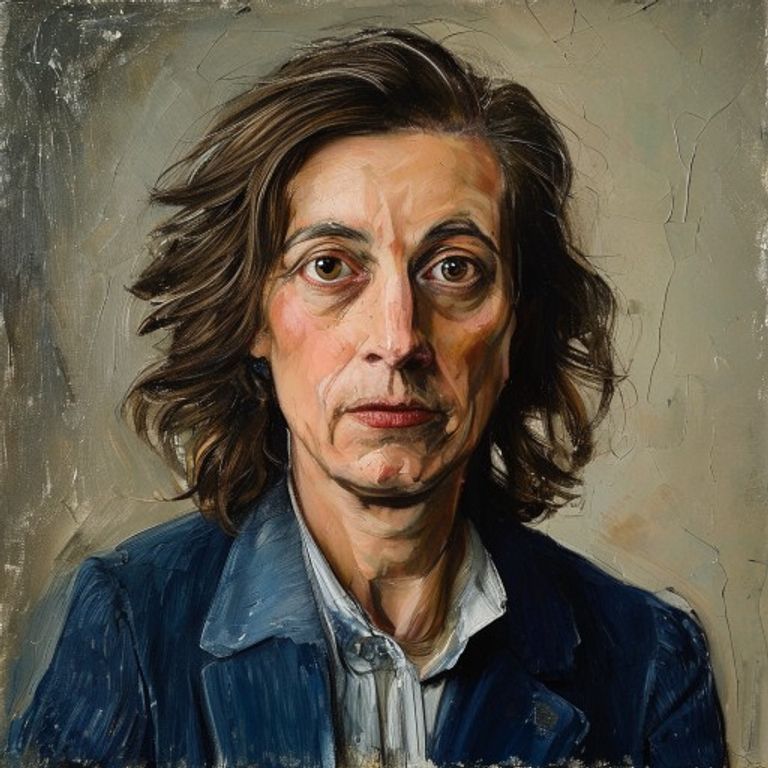
Doubts regarding the cause of death of the former president in exile in 1976, with suspicions of poisoning within the scope of Operation Condor that were never fully proven.
⚠️ Research conducted with the aid of Deep Research is subject to referential ambiguity.
🖥️ Clean HTML code using a proprietary tool.
👥 Research by Guilherme Felipe, Curation by Sílvio Lôbo
The Mystery of João Goulart: The President Who Disappeared and the Legacy of a Nation in Search of Answers
Brazil, a nation of continental dimensions and a past filled with political upheavals, carries in its history one of the most persistent and painful mysteries: the fate of João Goulart, the last democratically elected president before the military regime. His passing, surrounded by controversies and documentary gaps, transcends mere historical curiosity, entering the realm of speculation regarding betrayals, conspiracies, and the relentless search for an official truth that, to this day, remains elusive.
The Context and the Incident: The End of an Era and the Beginning of Exile
The mystery of João Goulart, affectionately known as Jango, did not begin with his death, but rather with the military coup of March 31, 1964. The deposition of Goulart, who was in Porto Alegre, marks the starting point of a journey of exile that would culminate in his passing under circumstances never fully clarified. The implementation of the military regime cast a shadow of silence and repression over subsequent events, making it difficult to faithfully reconstruct the facts.
Timeline of Events: From Inauguration to the Last Breath
- 1961: João Goulart assumes the presidency of Brazil following the resignation of Jânio Quadros, in a scenario of deep political and social instability.
- 1964: On March 31, a military coup deposes Goulart. He flees to Uruguay, beginning his exile.
- 1964-1976: Goulart lives in exile, passing through countries such as Uruguay and Argentina, always under the surveillance of authoritarian regimes.
- 1976: On December 6, João Goulart is found dead at his residence in Mercedes, in the province of Corrientes, Argentina. The official cause cited was a heart attack.
The Main Theories: Unraveling the Jango Enigma
The passing of João Goulart in 1976 is the epicenter of a heated debate, fueled by various theories that seek to explain the circumstances of his death.
1. The Official Version: Heart Attack
The initial and official explanation, released by Argentine authorities, points to a massive heart attack. This hypothesis, while medically plausible, is questioned by many due to the political context and the lack of a complete and independent autopsy at the time.
2. Poisoning: The Hidden Hand Theory
The poisoning theory is the most prominent and persistent. It is based on:
- Witness accounts: Friends and family of Goulart reported that he felt unwell and expressed distrust regarding his safety.
- Alleged physical evidence: Suggestions that possible toxic residues could have been found in later examinations (though not definitive).
- Political context: The fear that allied authoritarian regimes could orchestrate the elimination of prominent political figures in exile.
The logic of this theory lies in the belief that the Brazilian military regime, along with its allies in Argentina and other Southern Cone countries, would have an interest in permanently silencing Goulart, a symbol of democratic resistance.
3. Natural Causes with Aggravating Factors
A less conspiratorial, yet still intriguing, perspective suggests that Goulart did indeed suffer a heart attack, but that it may have been aggravated by stress, pre-existing health conditions, or even some unidentified external factor, though not necessarily deliberate poisoning.
4. Alternative and Paranormal Theories (with scientific caveats)
Although less anchored in concrete evidence, more marginal speculations have emerged, including the possibility of an attack using unconventional methods or even "paranormal" interventions, which, by their nature, lack any scientific or forensic basis to be considered in a rigorous analysis.
Controversies and Blind Spots: The Gaps in the Investigation
The João Goulart case is full of blind spots and inconsistencies that fuel suspicions:
- Contested Autopsy: The autopsy performed in Argentina was superficial and did not include the presence of independent experts or family members.
- Missing Evidence: Rumors regarding the disappearance of documents and items that could prove or refute the poisoning theories.
- Conflicting Testimonies: Accounts from people close to Goulart that present different nuances regarding his final days and his health.
- Secrecy of Archives: The resistance and delay in releasing government archives (Brazilian and Argentine) related to the period and intelligence activities.
- The Absence of a Conclusive Investigation: Attempts to reopen the case often run into bureaucratic hurdles and the difficulty of finding irrefutable evidence after so many decades.
Curiosities and Legacy: The Shadow of a Forgotten President
The João Goulart case transcended the political sphere, becoming a striking element in Brazilian culture:
- The Symbol of Stolen Democracy: Jango is, for many, the symbol of a democratic period interrupted by force.
- The Film "The Year My Parents Went on Vacation": Although fictional, the film evokes the atmosphere of repression and the traumas left by the military regime, resonating with the feeling of loss associated with the disappearance of figures like Goulart.
- Reopenings and Requests for Clarification: Over the years, there have been several initiatives to reopen investigations and obtain definitive answers, including requests for exhumations and the analysis of new evidence.
- Current Status: The case remains officially "resolved" by the heart attack version, but the vast majority of public opinion and various sectors of civil society continue to seek the truth, fueling the belief that a crime may have been committed and that justice, for political or convenience reasons, was never fully served.
The mystery of João Goulart is not just the story of a president who died in exile, but the narrative of a nation that is still struggling to reconcile with its past and unravel the shadows that loom over crucial moments of its history.



