


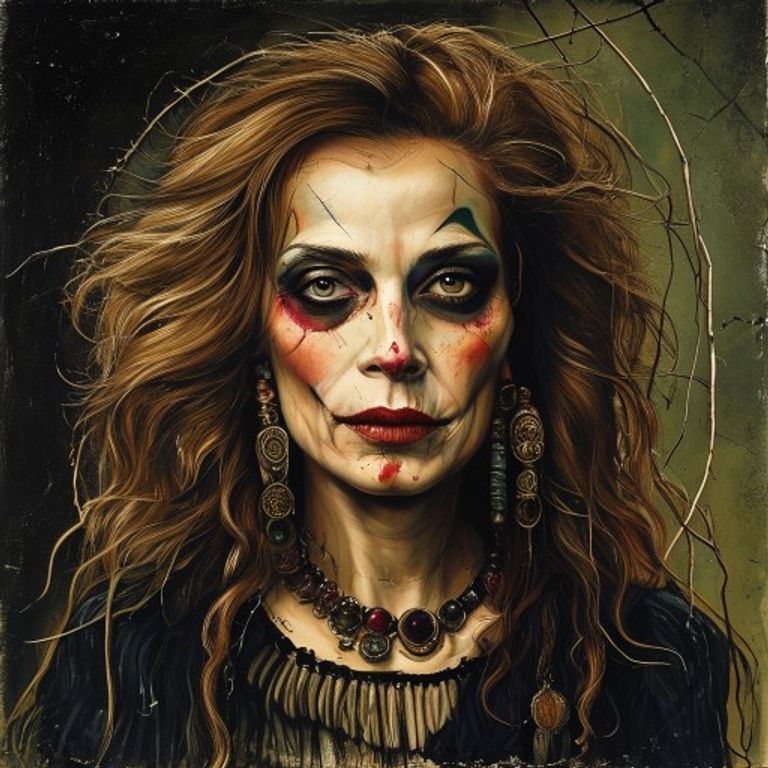
The tragic end of the 'Angel with Bent Legs' in 1983 due to alcoholism and loneliness, contrasting with the brilliance of his years as one of the world's greatest players.
⚠️ Research conducted with the aid of Deep Research is subject to referential ambiguity.
🖥️ Clean HTML code using a proprietary tool.
👥 Research by Guilherme Felipe, Curation by Sílvio Lôbo
The Veiled Enigma: The Case of Garrincha's Death
The name Mané Garrincha evokes magical football, an unmistakable smile, and a genius that transcended the pitch. However, the sunset of the "Angel with Bent Legs" is as nebulous as his dribbles were unpredictable. For decades, the death of one of the greatest icons of Brazilian football has been shrouded in a veil of mystery, fueling speculations and questions that persist to this day. This article aims to unravel, with analytical rigor and by separating fact from fiction, the contours of this enigma.
1. The Context and the Incident: Where, When, and How the Mystery Began
Manuel Francisco dos Santos, known as Garrincha, a man of a turbulent life and intense loves, saw his health decline progressively in the years leading up to his death. The hardships of alcoholism, the aftermath of accidents, and a self-destructive lifestyle took a heavy toll. The final stage of this saga unfolded on January 20, 1983, at the Dr. Badim Hospital, in Lagoa, Rio de Janeiro. The official cause of his death was recorded as cardiac arrest, resulting from complications of chronic alcoholism. However, the circumstances that led the star to that hospital, the state he was in, and the way the news was received by the media and the public opened the floodgates for inquiries.
2. Timeline of Key Events
- Years prior to 1983: Garrincha faces serious health problems related to alcoholism and the aftermath of accidents. His financial condition is precarious.
- December 1982: The star suffers a serious car accident, which worsens his health condition.
- January 1983: Garrincha is admitted to the Dr. Badim Hospital in critical condition.
- January 20, 1983: The passing of Mané Garrincha is announced. The official cause is cardiac arrest.
- Following days: Garrincha's body remains at the hospital for hours without the family being notified immediately. There were reports of delays in identification and funeral procedures.
3. The Main Theories
The complexity of Garrincha's life and the lack of transparency at certain crucial moments gave rise to various theories about the circumstances of his death. Let us analyze the most prominent ones:
3.1. Scientific and Police Hypotheses (Official Approach)
- Direct Consequences of Chronic Alcoholism: This is the official thesis, widely accepted by medical professionals. Excessive and prolonged alcohol consumption can lead to serious damage to vital organs, such as the heart, liver, and kidneys, culminating in multiple organ failure and cardiac arrest. Medical reports from the hospital, although not publicly disclosed in detail, point to this line.
- Aggravation due to Car Accident: The accident that occurred in December 1982, as mentioned, certainly contributed to his final physical decline and may have triggered or accelerated complications that led to his death.
3.2. Alternative and Speculative Theories
- Medical Negligence or Lack of Proper Care: Some reports and testimonies from the time suggest that Garrincha did not receive the intensive treatment and attention that his critical state demanded. The delay in notifying the family and the way the procedures were conducted fueled this suspicion.
- Omission of Information by Family or Close Associates: In some cases involving public figures, there is a tendency to protect their image, which could lead to information control. However, there is no concrete evidence to support this theory regarding Garrincha's death.
- Conspiracy Theories (Without Factual Basis): As with many cases of celebrity deaths, conspiracy theories arise, ranging from the involvement of third parties to more elaborate scenarios. However, for the Garrincha case, these theories lack any type of factual basis or evidence.
4. Controversies and Blind Spots
The investigation and coverage of Garrincha's death were marked by a series of question marks:
- Delay in Notifying the Family: One of the most sensitive points is the alleged delay in informing the family about Garrincha's passing. Testimonies from family and friends indicate that the news arrived late, causing outrage and distrust.
- State of the Body and Procedures: Reports about the state of Garrincha's body at the hospital and the way post-mortem procedures were conducted also caused discomfort and speculation about possible failures or neglect.
- Access to Medical Records: Full and detailed access to Garrincha's medical records, as well as specific forensic reports from the time, is restricted or difficult for the public and researchers to access, which hinders an exhaustive and independent analysis.
- Silence of Key Witnesses: Several people who were close to Garrincha in his final moments, such as doctors, nurses, and more distant relatives, in many cases, opted for silence or gave inconclusive testimonies over the years.
5. Curiosities and Legacy
The cultural impact of Garrincha's death was immense. His figure was so beloved that the news of his passing shook the country. The lack of a clear narrative and the persistence of doubts contributed to the "Case of Garrincha's Death" becoming a dark chapter in the history of Brazilian football, a mystery that, in a way, reflects the complexity and contradictions of the star's own life.
Currently, the case has not been formally reopened as a police investigation, as the cause of death was officially established. However, public debate and the search for more satisfactory answers persist in journalistic circles and among admirers of the idol. Garrincha's memory transcends the way he departed, but the enigma surrounding his death continues to be a poignant reminder that, even for heroes, the end can be haunted by unanswered questions.



