


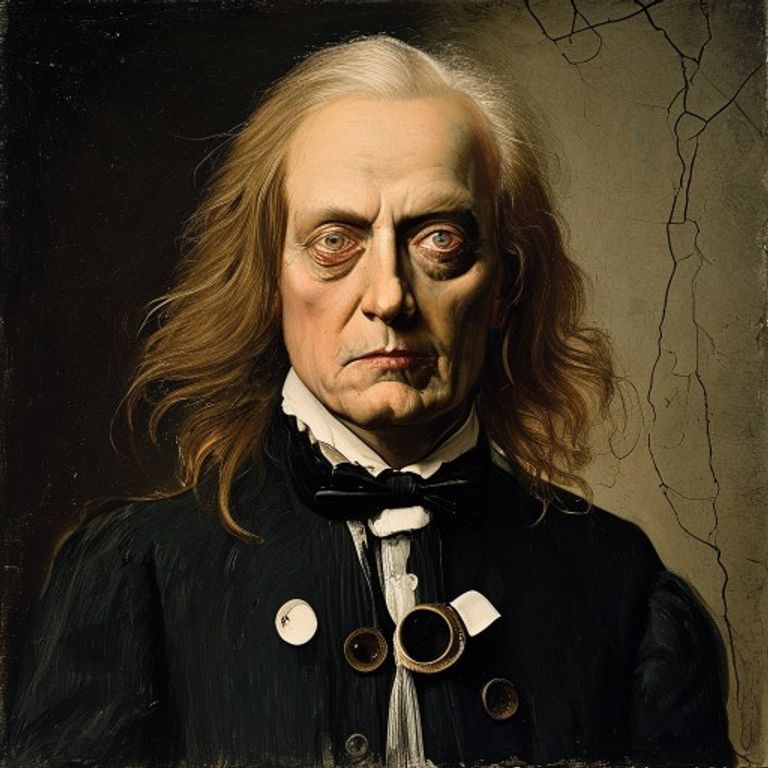
The 1922 murder of the film director that became one of Hollywood's greatest scandals, revealing secrets of stars of the era and remaining officially unsolved.
⚠️ Research conducted with the aid of Deep Research is subject to referential ambiguity.
🖥️ Clean HTML code using a proprietary tool.
👥 Research by Guilherme Felipe, Curated by Sílvio Lôbo
The Unsolved Murder of William Desmond Taylor: A Cinematic Mystery in the Heart of Hollywood
In 1922, Hollywood, the epicenter of glamour and the American dream, was shaken by a crime that would echo through the decades: the brutal and never-solved murder of renowned film director William Desmond Taylor. The case, shrouded in secrets, scandals, and an investigation marked by failures, became one of the most notorious unsolved mysteries in the history of the City of Angels, fueling conspiracy theories and the popular imagination.
1. The Context and the Incident: The Twilight of a Star
William Desmond Taylor, a respected and beloved director at Paramount Pictures, was a prominent figure in the film industry at the time. Known for his discretion and integrity, Taylor lived in a mansion in Los Angeles. On the night of February 1, 1922, his lifeless body was discovered in his library. The cause of death was a single shot fired from a .38 caliber weapon. The bullet, recovered from the body, was never traced to a specific gun, adding a layer of perplexity to the crime.
The scene appeared tranquil, but beneath the surface, Taylor's life seemed more complex than his public reputation suggested. Rumors of debts, clandestine relationships, and even a possible double identity began to emerge after his death, painting an intriguing portrait of a man with hidden secrets.
2. Timeline of Key Events
- Night of February 1, 1922: William Desmond Taylor is murdered in his library.
- Morning of February 2, 1922: Taylor's body is discovered by his housekeeper, Alice Smith. The police are called.
- Initial Investigation: The Los Angeles police begin an investigation, but the crime scene is compromised, and some evidence appears to have disappeared.
- February - March 1922: Several suspects are interrogated, including actresses with whom Taylor had relationships and individuals with criminal records.
- April 1922: The official investigation is formally closed without identifying a culprit.
- Subsequent Decades: The case remains a mystery, with new theories and information emerging sporadically.
3. The Main Theories: Clearing the Fog
The absence of a clear suspect and the controversial nature of the investigation gave rise to a myriad of theories, ranging from plausible police explanations to more fantastic scenarios.
3.1. Prominent Police Theories and Conspiracies
- The Motive of Money and Blackmail: One of the strongest lines of investigation at the time pointed to the possibility that Taylor was involved in shady business dealings or significant debts. It is speculated that he may have been blackmailed, and the murder was the result of a confrontation that got out of control. Police reports from the time mention investigations into gambling debts and connections with underworld figures.
- The Actress Scandal: Several actresses with whom Taylor had relationships or who depended on him financially were investigated. The most notorious was Lila Long, with whom Taylor allegedly had an intense and possibly troubled relationship. Another theory involved actress Mary Miles Minter and her mother, Charlotte Shelby, who would have had motives to silence Taylor if he posed a threat to their careers or reputations. The logic here lies in social pressure and the desperation to maintain status in Hollywood.
- The Botched Robbery: A less explored, but still considered hypothesis, is that the murder could have been the result of a robbery gone wrong. Taylor's house contained valuables, and the way the crime was committed could suggest a hasty action.
- Taylor's Double Identity: A darker theory suggests that "William Desmond Taylor" was not who he claimed to be. Later files and genealogical research raise the possibility that he was actually a fugitive or a man with a criminal past that caught up with him. This hypothesis would explain the secretive nature of some of his relationships and the lack of concrete information about his earlier life.
3.2. Alternative and Paranormal Theories
- The Mafia Conspiracy Theory: Given the growing influence of organized crime at the time, some theorize that Taylor could have become involved with underworld figures, and his murder was a settling of scores or a message.
- Supernatural Influence (Theory Popularized by Fiction): Although without investigative basis, the Taylor mystery inspired works of fiction that explore supernatural elements. However, it is crucial to separate fact from fiction; there is no concrete evidence to support paranormal theories for the crime.
4. Controversies and Blind Spots: Gaps in the Truth
The police investigation into Taylor's murder was widely criticized for its failures and inconsistencies, which allowed the case to go cold and remain unsolved.
- The Compromised Crime Scene: Initial reports indicate that the crime scene was not properly secured, allowing several people access to the location before forensics were completed. This led to the possible contamination or loss of crucial evidence.
- Lost or Destroyed Evidence: The murder weapon was never found. Furthermore, a safe containing important documents of Taylor's was found open and rummaged through, but the contents were not fully recovered or identified. There is speculation that incriminating documents may have been removed.
- Conflicting Testimonies: Several witnesses provided contradictory accounts of the events leading up to the murder and regarding potential suspects. The pressure to close the case quickly may have led to hasty conclusions.
- Political and Industry Interference: Pressure from influential figures in Hollywood to avoid scandals that could damage the industry's image may have influenced the course of the investigation. The secrecy surrounding certain relationships of Taylor's and the reluctance of some witnesses to speak openly are also points of questioning.
- Gunpowder on Taylor's Hand: An analysis of gunpowder on Taylor's hands was inconclusive. Some argue this could indicate he did not shoot, while others suggest the analysis was not precise enough to rule out that possibility.
5. Curiosities and Legacy: The Shadow of a Mystery
The William Desmond Taylor case transcended police headlines, becoming an icon of Hollywood mystery and fueling countless theories and works of fiction.
- Cultural Impact: Taylor's murder contributed to a climate of paranoia and distrust in Hollywood, leading to an increase in surveillance and control over the private lives of stars. The case was widely covered by the press of the time, which speculated wildly about the motives and the culprits.
- The Legacy of Uncertainty: To this day, the murder of William Desmond Taylor remains one of Hollywood's most celebrated unsolved mysteries. Despite various attempts to reopen the case and new research over the years, no concrete lead has led to the definitive identification of the killer. The case is frequently cited in discussions about the fragility of justice in the face of power and influence, and how the truth can be lost in the shadows of the past.
- The Archive: Official case files still exist, but the amount of information and the quality of the evidence make a definitive solution extremely unlikely. The mystery, however, continues to fascinate and intrigue, a grim reminder that even in the glitter of Hollywood, dark secrets can remain hidden forever.



