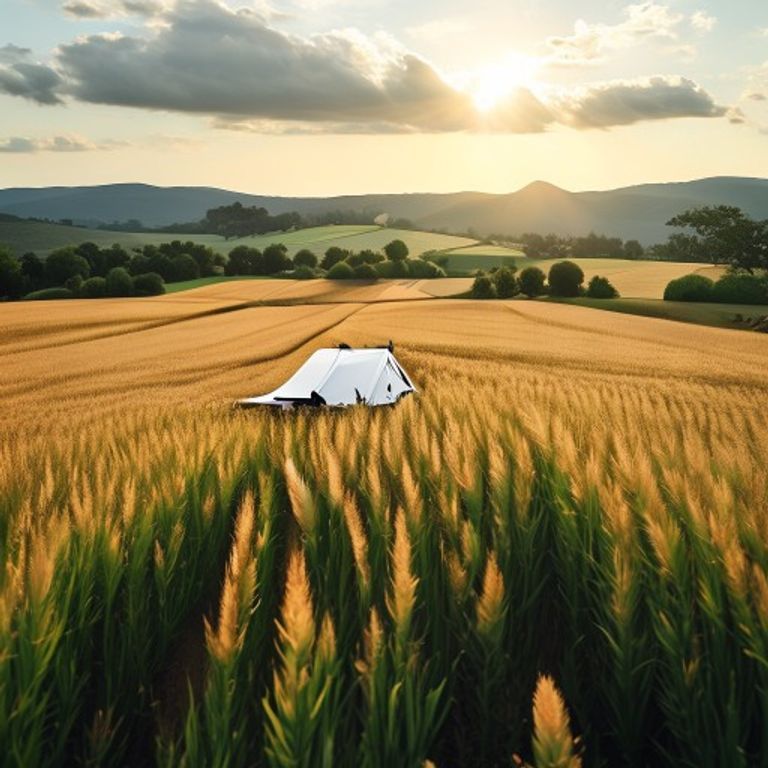
This municipality in the State of Piauí is the setting for a rich historical literature about the Battle of Jenipapo, inspiring works that narrate the struggle for Brazil's independence and the formation of the Piauiense people's identity.
⚠️ Research elaborated with the assistance of Deep Research is subject to referential ambiguity.
🖥️Clean HTML code using a proprietary tool.
👥 Research by Guilherme Felipe, Curation by Sílvio Lôbo
Introduction: Campo Maior and Its Literary Mosaic
Campo Maior, a historic municipality in the heart of Piauí, Brazil, transcends its fame as the stage for the epic Battle of Jenipapo to reveal itself as fertile ground for literary expression. Although often overshadowed by the country's major urban centers, local literary production is a deep reflection of its history, geography, and the resilience of its people. This essay seeks to outline the literature of Campo Maior, exploring its main authors, the movements that influenced it, the publications that disseminated it, and, crucially, how the region's cultural identity manifests on its pages.
Notable Authors and Their Contributions
The literary production of Campo Maior, though often regional in its initial reach, has revealed talents whose work has become a reference for understanding Piauiense culture. Among them are:
- Monsenhor Furtado (José Marrocos Furtado, 1888-1971): Considered one of Piauí's greatest intellectuals and poets, Monsenhor Furtado was a Catholic priest whose poetic and essayistic work is marked by deep spirituality, classicism, and an attentive eye for the landscape and people of the Piauiense sertão. His poetry, characterized by Parnassian and Symbolist formal rigor, addresses religious and philosophical themes and the human condition, always with the soul of the sertão as a backdrop. He is a pillar of Campo Maior's literature.
- Sigefredo Pacheco (1904-1980): Although better known for his political career as governor of Piauí and senator, Sigefredo Pacheco was also a keen chronicler and memoirist. His works, often historical and autobiographical, offer valuable records of the political and social life of Piauí and Campo Maior, revealing aspects of the culture and customs of the time.
- Professor Rego Lages (Francisco Rego Lages, 1928-2017): A historian, genealogist, and writer, Professor Rego Lages dedicated much of his life to researching and preserving the memory of Campo Maior and Piauí. His works are essential sources for the study of local history, the genealogy of the region's families, and cultural traditions, constituting an invaluable legacy for Campo Maior's identity.
- Zózimo Tavares (b. 1957): A contemporary journalist and writer, Zózimo Tavares represents an important voice in current Piauiense literature. With agile and investigative prose, he addresses themes ranging from journalism to biography, from chronicles to history, often with a critical and humorous look at Piauiense and Brazilian society, bringing aspects of his homeland to a wider audience.
- Other local talents, such as poets, chroniclers, and folklorists, have contributed to enriching Campo Maior's literary scene, often publishing in regional media and perpetuating the community's oral and written traditions.
Literary Movements and Regional Appropriations
The literature of Campo Maior, like much of rural Brazil, did not follow autonomous and strictly defined literary movements but rather absorbed and reinterpreted major national and international currents through a regional lens. In the late 19th and early 20th centuries, the influences of Parnassianism and Symbolism can be observed in the search for formal rigor and the spiritual themes of poets like Monsenhor Furtado. Following the outbreak of Brazilian Modernism, Campo Maior's literature, more slowly and diffusely, began to incorporate greater formal freedom, the valorization of vernacular language, and, above all, a deeper exploration of regional themes. There was no "Campo Maior Modernism" in the style of the São Paulo art weeks, but rather an appropriation of modernist ideals to give voice to the particularity of the Piauiense sertão, its people, its legends, and its challenges. Subsequently, local literature opened up to more contemporary influences, maintaining a strong link with the region's memory, identity, and social issues.
Essential Publications and Media of Expression
The dissemination of literature in Campo Maior depended, and still depends, on specific media, which often act as guardians of local production:
- Local Newspapers and Weeklies: Historically, newspapers like "O Norte" (whether a local edition or the Piauí version) and smaller publications in Campo Maior served as important platforms for publishing poems, chronicles, and articles by intellectuals and aspiring writers. These periodicals were the main means of cultural debate and dissemination of early literary expressions.
- Regional Cultural Magazines and Yearbooks: Magazines like "Revista Piauí" and other publications linked to cultural institutions and universities (such as EDUFPI - Editora da Universidade Federal do Piauí) were and are crucial for promoting authors from Campo Maior to a state and sometimes national audience. They offer space for essays, short stories, and poems that explore Piauiense identity in its various facets.
- Local and Regional Publishing Houses: Small publishing houses and printing companies in Campo Maior itself or in Teresina (the capital of Piauí) play a vital role in publishing books by local authors. Many of the works by historians and memoirists, as well as poets, were made possible by these ventures, which act as bulwarks of the region's written memory and culture.
- Key Works: Individual books by authors such as Monsenhor Furtado ("Cantos do Piauí," for example) and collections of chronicles and articles in newspapers represent the most accessible and lasting publications of Campo Maior's literature.
Campo Maior's Cultural Identity in Literature
The literature of Campo Maior is intrinsically linked to its cultural identity, which is vividly reflected in its themes, characters, and language:
- The Battle of Jenipapo: This historical event of 1823 is a pillar of Campo Maior and Piauiense identity. The bravery of the sertanejos, the sacrifice for independence, and the landscape of the battlefield are recurring themes, treated with reverence and heroism, serving as a source of pride and reflection on the formation of Brazil.
- The Sertão and Piauiense Nature: The semi-arid landscape, with its droughts, its caatinga, and its resilient people, is a character in itself. The struggle against adversity, the appreciation of the land, and the observation of local flora and fauna (the jenipapeiro, the juazeiro) permeate poetry and prose, revealing a deep connection with the environment.
- Popular Religiosity and Traditions: The strong Catholic faith and manifestations of popular religiosity, with their saints, processions, penances, and miracles, are striking elements. The work of Monsenhor Furtado is the highest exponent of this trend, but spirituality and folkloric traditions permeate many other narratives.
- Everyday Life, Memory, and Local Legends: Chronicles of daily life, family stories, legends, and myths transmitted orally are frequently transposed into literature, preserving collective memory and the peculiarities of life in Campo Maior. Humor and popular wisdom are elements that enrich these narratives.
- Regionalisms and Language: The richness of the vocabulary and the cadence of the Piauiense speech, with its regionalisms and idiomatic expressions, are incorporated by the authors, lending authenticity and an unmistakable local flavor to the texts.
In summary, the literature of Campo Maior is not merely an artistic record; it is a guardian of the soul of a region. It celebrates history, honors customs, and gives voice to the resilience of a people who, through words, continue to build and retell their own identity within the vast mosaic of Brazilian culture.