


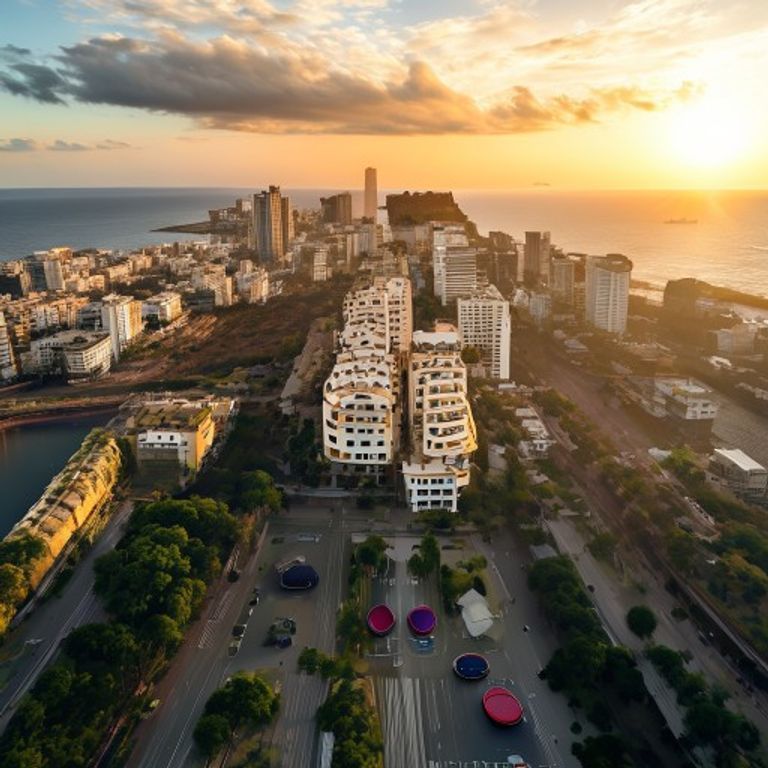
This municipality in the state of Santa Catarina represents the strength of literature from the great western region of Santa Catarina, with authors who record the epic of recent colonization and the social transformations of the agro-industrial region.
⚠️ Research conducted with the aid of Deep Research is subject to referential ambiguity.
🖥️Clean HTML code using a proprietary tool.
👥 Research by Guilherme Felipe, Curation by Sílvio Lôbo
The Literature of Chapecó: An Essay on Its Voices and Territories
Chapecó, a vibrant city in western Santa Catarina, is known for its economic dynamism, its agribusiness, and its capacity to attract and integrate diverse cultures. However, beyond the indicators of material development, lies a less explored, but equally rich facet: its literature. Defining the literature of Chapecó is not a simple task, as it is built at the intersection of a recent colonization history, a rapid urbanization process, and the confluence of plural identities. This essay seeks to unveil the contours of this literary production, focusing on authors, publications, movements (or trends), and how local cultural identity is reflected on its pages.
Fertile Ground for Expression: Historical Context and Emergence
The history of Chapecó is, in large part, the history of the expansion of the agricultural frontier and the encounter of different migratory waves – European (Italians, Germans, Poles), caboclo, and, evidently, the pre-existence of indigenous peoples (Kaingang and Guarani). This cultural melting pot, combined with the shift from rural to urban and its transformation into an agro-industrial hub, created a unique terrain for the germination of narratives. One cannot speak of formal "literary movements" in Chapecó in the sense of 20th-century avant-gardes. Local literary production tends to be more organic, driven by the need to record, interpret, and express the experiences of a constantly transforming community. The first literary manifestations occurred, in large part, through:
- Newspaper Chronicles: A privileged space for observing daily life, the memory of pioneers, and social criticism.
- Intimate and Regionalist Poetry: Often published in serials or handmade books, addressing themes such as nature, rural life, and nostalgia for origins.
- Historical Records: Efforts to document colonization, founding families, and events that shaped the city.
These initial trends laid the groundwork for a literature that, while engaging with national standards, always maintained a keen eye on its own soil.
Key Authors and Their Thematic Echoes
Chapecó's literature, over time, has revealed talents who sought to give voice to the complexity of their region. Although their names may not often echo in major centers, their contribution to local memory and identity is invaluable. Among the authors born or based in Chapecó, figures such as the following stand out:
- Ilmar Cavazzotto: A prominent figure in local and regional historiography, his work significantly contributes to the recovery and dissemination of the memory of Chapecó and Western Santa Catarina, often with a literary slant in his historical prose.
- Mário José de Andrade: A poet who explores the human condition, the lyricism of everyday life, and the transforming landscape, his works reveal a refined sensitivity for contemplation and the recording of the regional soul.
- Celito Medeiros: A chronicler and historian, he is one of the great guardians of Chapecó's memory, with texts that move between the factual and the literary, presenting characters and episodes that make up the city's rich tapestry.
- Delmo Albarelo: A poet whose work frequently delves into existential themes, with a language that sometimes approaches colloquialism and at other times seeks formal elaboration, always rooted in the local life experience.
- Lélia Pereira Nunes: With prose that often addresses the female universe, family relationships, and social dilemmas, her narratives offer a keen insight into Chapecó society and its contradictions.
The recurring themes in the works of these and other Chapecó authors are mirrors of the region's peculiarities:
- Rural-Urban Transition: Rural exodus, the loss of traditional ways of life, and rapid urbanization are frequent motifs.
- Immigration and Cultural Plurality: The search for roots, cultural shock, and the construction of a new, mixed identity.
- Memory and Forgetting: The concern to preserve the history of pioneers and the past landscape in the face of progress.
- The "Frontier Spirit": Resilience, hard work, entrepreneurial spirit, and the drive to explore new horizons.
- Social and Existential Criticism: Reflections on inequalities, human losses, and the search for meaning amidst rapid growth.
Circulation and Visibility: Publications and Initiatives
Sustaining a literary life in interior cities invariably involves the existence of publication and promotion platforms. In Chapecó, this role has historically been played by:
- Local Newspapers: Publications like Diário do Iguaçu and other regional periodicals were vital for disseminating chronicles, poems, and reviews, serving as the first showcase for many writers.
- Independent Publishers and Imprints: Small publishing houses and self-publishing initiatives have been crucial in making works circulate, overcoming the barriers of major national publishers.
- Academies of Letters: The Academia Chapecoense de Letras, for example, plays a fundamental role in promoting meetings, collective publications, and valuing local writers, offering a space for coexistence and debate.
- Higher Education Institutions: The Universidade Comunitária da Região de Chapecó (UNOCHAPECÓ) and the Universidade Federal da Fronteira Sul (UFFS) act as important centers for research, cultural promotion, organization of literary events, and, at times, the publication of academic and literary works that engage with the region.
- Literary Events and Fairs: Although on a smaller scale than in capitals, the organization of book fairs and occasional literary events helps bring the public closer to authors and their works.
These initiatives, though often independent and driven by local enthusiasm, are the backbone that sustains literary production and consumption in the city.
Chapecó's Cultural Identity Reflected in Literature
Chapecó's cultural identity is multifaceted. It is a city that projects an image of modernity and progress, but carries the deep marks of its genesis in the cleared forest. This complexity finds a direct echo in its literary production:
- The Resilience of the "Chapecoense": Books frequently portray a hardworking people, with a strong sense of community and a remarkable capacity for overcoming challenges of colonization and development.
- The Clash Between Tradition and Modernity: Narratives explore the tension between attachment to rural roots and the drive towards an urban and industrial future. Characters seek to adapt or resist transformations, often in a generational or existential conflict.
- The Plurality of Accents: Although not explicitly in all texts, the presence of language influenced by Italian, German, and caboclo accents permeates the oral tradition and, at times, the written word, lending an authentic flavor to the narrative voices.
- Contact (and Conflict) with the Environment: The relationship with nature, which has been drastically altered by human action, is a sensitive theme. The memory of the lost native forest and the beauty of the remaining pampa inspire poems and prose that question the cost of progress.
- Indigenous Memory: Although less explored in the city's mainstream productions, the presence and history of the Kaingang and Guarani peoples are an undeniable cultural substratum of the region, perhaps awaiting greater representation or being addressed from a historical and anthropological perspective in some works.
In summary, the literature of Chapecó functions as a mirror of its collective soul, revealing not only who the city is, but who it was and who it aspires to be.
Challenges and Perspectives
Chapecó's literature faces challenges inherent to literary production outside major urban centers: difficulty in national distribution, less critical visibility, and limited resources. However, the outlook is promising. The growth of local universities, access to new publication technologies, and the increasing appreciation for regional literatures can further boost this production. The richness of its history, the diversity of its people, and the complexity of its modernity guarantee an inexhaustible source of themes and approaches for future generations of writers.
Conclusion: The Peculiarity of a Legacy Under Construction
The literature of Chapecó, far from being peripheral, is an authentic and vital expression of Santa Catarina's and Brazil's identity. It is built in the voice of its chroniclers, poets, and prose writers who, imbued with their reality, transform the history, landscape, and human dramas of a constantly reinventing city into art. It is a literature that celebrates resilience, questions progress, and preserves memory, offering a unique perspective on the dynamism of a region that, even in its youth, already possesses a peculiar and significant literary legacy. It is an invitation to read and recognize that great literature also originates and flourishes in the interior lands.



