


This municipality in the State of Rio Grande do Norte is the city of Luís da Câmara Cascudo, the greatest folklorist and ethnographer in Brazil, who dedicated his life to mapping the soul and traditions of the Brazilian people.
⚠️ Research elaborated with the help of Deep Research is subject to referential ambiguity.
🖥️Clean HTML code using a proprietary tool.
👥 Research by Guilherme Felipe, Curation by Sílvio Lôbo
The Voice of the Potiguar: An Essay on Literature in Natal
Natal, the capital of Rio Grande do Norte, is a city of contrasts – between the sertão and the sea, colonial history and modernity, deep-rooted folklore and avant-garde. This rich cultural tapestry could not fail to be reflected in its literary production, which, although sometimes underestimated in the national panorama, possesses an unmistakable depth and identity. Potiguar literature, with Natal as its epicenter, is a mirror of the local soul, a record of the landscapes, customs, and struggles of its people.
Historical Roots and the Dawn of Literary Expression
The first literary manifestations in Natal and Rio Grande do Norte, as in many regions of Brazil, had a more descriptive and historical character, recording the peculiarities of the territory. However, the 19th century and the early 20th century began to pave the way for a more autonomous literature, with the emergence of authors who sought to give voice to local experiences. Romanticism and Parnassianism had their echoes in the province, but it was with the development of a regionalist consciousness that Potiguar literature began to forge its identity.
Among the precursors, Juvenal Lamartine (1874-1943) stands out, a poet and chronicler whose work, although still bound by certain canons of the time, already showed an attentive eye for local daily life and nature. His production is a link between the first attempts at expression and what would become a more mature literature engaged with the Potiguar reality.
Luís da Câmara Cascudo: The Colossus of Potiguar Culture
It is impossible to speak of the literature of Natal and Rio Grande do Norte without revering the monumental figure of Luís da Câmara Cascudo (1898-1986). Although not a novelist in the strict sense, Cascudo is the great pillar of Potiguar culture and, by extension, of its literature. A historian, ethnographer, folklorist, anthropologist, journalist, and writer, his encyclopedic work is the very soul of the Northeast and, in particular, of Rio Grande do Norte. Books such as Dicionário do Folclore Brasileiro (Dictionary of Brazilian Folklore), História das Comidas no Brasil (History of Food in Brazil), Vaqueiros e Cantadores (Cowboys and Singers), and Meus Verdes Anos (My Green Years) not only cataloged and preserved the region's cultural identity but also provided an inexhaustible source of references and inspiration for generations of writers. His prose, rich and engaging, elevates cultural study to the level of high literature, serving as a primary source for understanding the local imagination.
Modernism and New Voices
The arrival of Modernism in Brazil brought a new breath of fresh air, and in Natal, several authors absorbed and adapted its proposals, seeking a freer language and the valorization of the regional. From the 1940s onwards, Potiguar literature flourished with the emergence of poets and prose writers who, without abandoning their roots, engaged with national and international trends.
Among the important names of this period and subsequent ones are:
- Oswaldo Lamartine (1918-2007): Poet and historian, with a body of work that ranges from intimate poetry to research on sertanejo culture. His poetry is marked by sensitivity and attachment to the land.
- Zila Mamede (1928-1985): Librarian, poet, and essayist, Zila is one of the most significant female voices in Potiguar poetry. Her work is characterized by elegance, lyrical depth, and the search for precise language, exploring themes such as time, memory, and existence.
- Mário Câmara (1914-1976): Poet, short story writer, and chronicler, one of the most important Potiguar prose writers. His work, often with a melancholic and reflective tone, captured the essence of urban and rural life.
- Deífilo Gurgel (1926-2012): Folklorist, journalist, historian, and writer, he continued Cascudo's path in researching and disseminating Potiguar culture. His vast work ranges from poetry to essays on folklore and history.
- Nilo Pereira (1909-1992): Although born in Pernambuco, he settled in Rio Grande do Norte, becoming a central figure in Natal's intellectual circles. A literary critic, historian, and essayist, his contribution was fundamental to the debate and reflection on local literature and culture.
Important Publications and Literary Spaces
The dissemination of literature in Natal has always depended on press outlets, literary magazines, and, more recently, local publishers. Newspapers like A Tribuna do Norte and the now-defunct Diário de Natal have always dedicated space to culture, publishing chronicles, poems, and reviews. Literary magazines, although often ephemeral, were crucial for the circulation of ideas and the launch of new talents.
The Academia Norte-Rio-Grandense de Letras (ANRL) (North-Rio-Grandense Academy of Letters), founded in 1940, plays a fundamental role in preserving and promoting literary memory and welcoming new members, fostering intellectual debate. Furthermore, university presses, such as Editora da UFRN (UFRN Publishing House), and independent publishers, like Sebo Vermelho Edições, have been vital in publishing works by Potiguar authors, rescuing classics, and launching contemporary voices.
Potiguar Cultural Identity Reflected in Books
The literature of Natal is intrinsically linked to the "Potiguar" cultural identity, a term that evokes the indigenous people who inhabited the region and means "shrimp eater." This identity is multifaceted and manifests in various ways in books:
- The Landscape: The dunes of Genipabu, the Potengi River, the vast Atlantic Ocean, and the striking presence of the sertão are recurring elements, not just as settings, but as characters that shape destinies and feelings. The dryness of the interior, the wild beauty of the coast, and the intense sunlight are elements that permeate prose and poetry.
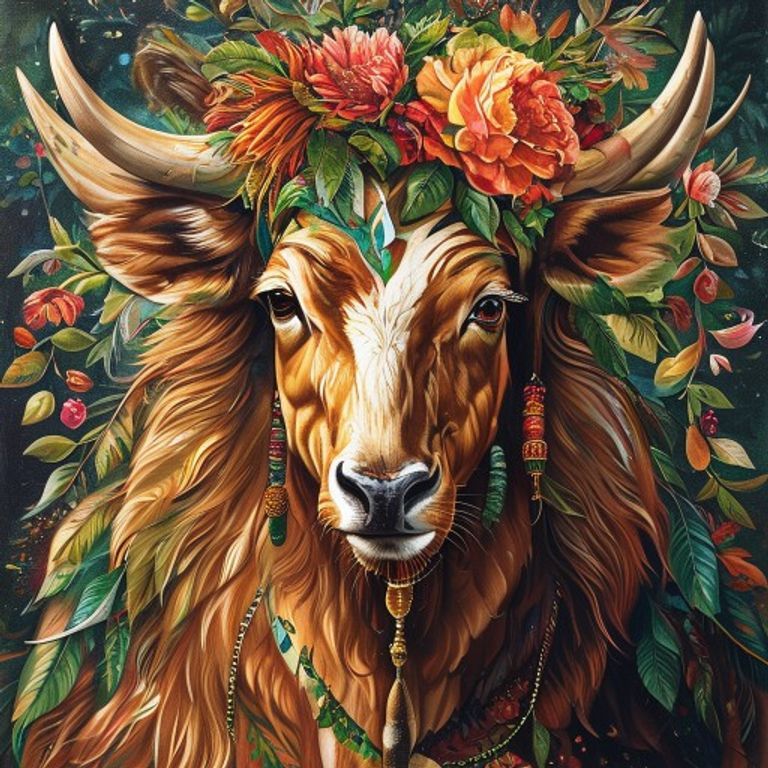
- Folklore and Traditions: Thanks to the work of Câmara Cascudo and other folklorists, the legends, myths, popular festivals (like boi de reis), folk beliefs, and ways of speaking of the Potiguar people are constantly rescued and reinterpreted, giving a unique flavor to the narrative.
- The Potiguar Man: Resilience in the face of adversity from climate and life, deep religiosity, hospitality, and, at times, the melancholy of a people living between the abundance of the sea and the aridity of the caatinga, are psychological and social traits frequently explored. The works address man's relationship with the land, isolation, migration, and social transformations.
- Local History: From Portuguese colonization, Dutch invasion, political and social struggles to modern development, the history of Natal and Rio Grande do Norte serves as a backdrop for novels and poems that seek to understand the origins and trajectory of local society.
- Language: The accent, regionalisms, and idiomatic expressions are incorporated, lending authenticity and musicality to the literary language, often capturing the liveliness of popular speech.
The Contemporary Scene and the Future
Literature in Natal remains vibrant, with new generations of writers exploring contemporary themes without losing their connection to local identity. Authors such as Wescley Gama, Carlos Fialho, and Eduardo Galvão, among others, have contributed with novels, short stories, and poems that engage with the present, addressing urban issues, existential and social dilemmas, often through the lens of memory and the Potiguar landscape. The effervescence of literary gatherings, reading clubs, and the growing digital presence of local writers indicate a promising future for Natal's literature, which continues to seek its space and recognition in the Brazilian literary scene, without ever forgetting the voice that emanates from its dunes and its sea.
Conclusion
Literature in Natal is a cultural treasure, a living record of the human experience in a peculiar corner of the Brazilian Northeast. From the pioneers to the contemporaries, passing through the giant Luís da Câmara Cascudo, the Potiguar literary production reveals a deep connection with the land, history, and people. It is a literature that celebrates the regional without closing itself off to the universal, that preserves memory without ceasing to innovate. Diving into the books of Natal is not only discovering great authors but also understanding the resilient and poetic soul of a state that pulses between the blue of the sea and the green of the sertão.



