


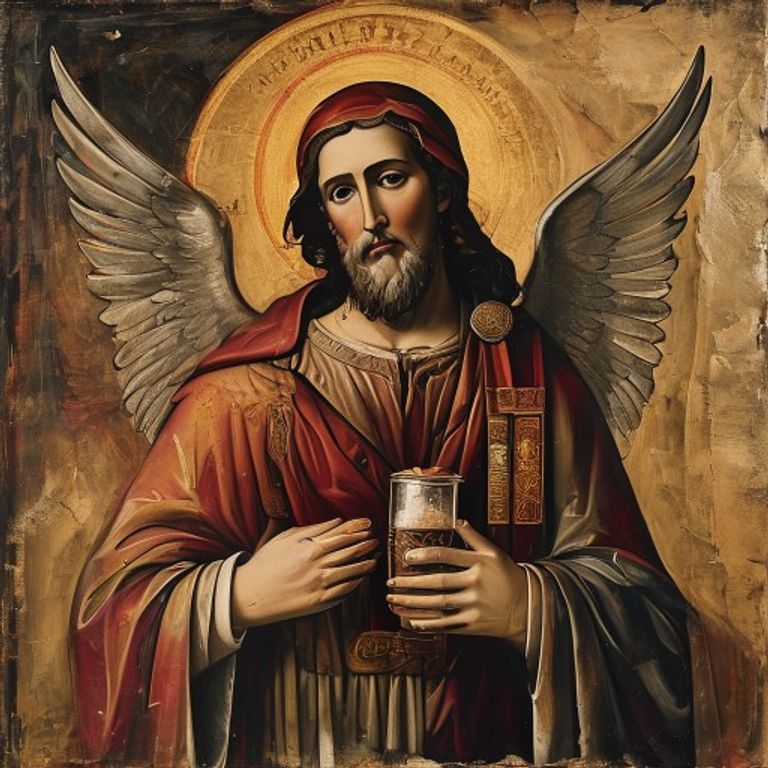
This municipality in the State of Espírito Santo stands out for its rich oral and literary tradition linked to the Port of São Mateus, inspiring works that rescue Afro-Brazilian culture and memories of the colonial period.
⚠️ Research elaborated with the aid of Deep Research is subject to referential ambiguity.
🖥️Clean HTML code using a proprietary tool.
👥 Research by Guilherme Felipe, Curation by Sílvio Lôbo
The Lens of Letters: An In-depth Essay on Literature in São Mateus (ES)
The literature of a region is the mirror of its soul, a mosaic of voices that narrate time, space, and people. In São Mateus, Espírito Santo, a city with deep roots and a rich cultural tapestry, literary production emerges as fertile ground for understanding its identity, history, and aspirations. Far from major publishing centers, Mateense literature is built on the tenacity of its authors, the strength of its traditions, and the beauty of its landscape, forging a unique voice in the Capixaba and Brazilian literary panorama.
Historical Roots and Early Literary Manifestations
The history of São Mateus, one of the oldest cities in Espírito Santo, dates back to the 16th century, with the arrival of the Portuguese and subsequent contact (and conflict) with indigenous peoples. The city was an important economic center during the colonial period, notably for agriculture and, later, for navigation. These experiences – the founding, the sugar cycle, the presence of quilombola communities, the arrival of immigrants, and port development – formed the substrate for the first manifestations that touched upon the literary field.
Initially, these expressions were not configured as "literature" in the modern sense, but as chronicles, historical records, and oral narratives. Municipal and state archives hold documents that, due to their descriptive richness and implicit subjectivity, already demonstrate an inclination towards narrative. Local journalism, which flourished later, became one of the first stages for the dissemination of texts of a more personal nature, chronicles, and poems by Mateense residents.
Notable Authors and Their Contributions
The literature of São Mateus is marked by figures who dedicated their lives to recording and interpreting local reality, giving it a lasting character and unique depth. Among the most prominent names are:
- Elson de Paula Dourado: Considered one of the greatest authorities on the history of São Mateus, Dourado transcended mere historiography to infuse his texts with remarkable literary sensitivity. His works, such as "São Mateus: Cidade do Espírito Santo" and "O Negro em São Mateus", are milestones for understanding the region's cultural formation, blending documentary rigor with engaging prose that rescues memories, personalities, and crucial events. The richness of detail and the ability to evoke a vibrant past place him as the chief chronicler of Mateense identity.
- Walter de Aguiar Filho: Poet, chronicler, and essayist, Walter de Aguiar Filho is a contemporary voice of great relevance. His poetic production delves into the local landscape, daily dramas, and existential reflections with a particular lyricism. His texts frequently explore the individual's relationship with the coastal environment, the rivers, and the quiet, yet nuanced, life of the city. His work contributes significantly to the region's poetic imagination.
- Juvenal das Neves: Another important historian and chronicler, Juvenal das Neves dedicated himself to preserving local memory. His research and publications are valuable sources that complement and deepen knowledge about São Mateus's past, consolidating the tradition of literature that draws from history and collective memory.
- Other Names and Contemporary Production: The literary effervescence of São Mateus is not limited to these pillars. Several other poets, prose writers, and chroniclers, such as members of the Academia Mateense de Letras, continue to produce, publishing collections, individual books, and articles in local and regional periodicals, ensuring the vitality and renewal of the literary scene.
Literary Movements, Institutions, and Important Publications
São Mateus, like many regional cultural centers, did not generate autonomous literary "movements" in the sense of 20th-century avant-gardes. Instead, Mateense literature tended to assimilate and adapt national currents, giving them a local flavor, markedly regionalist and identity-focused. The focus always fell on celebrating the culture, history, and people of São Mateus.
The establishment of the Academia Mateense de Letras (AMAL), an institution that brings together writers, researchers, and intellectuals from the city, marked a fundamental milestone. Founded with the objective of preserving, promoting, and stimulating the literary and cultural production of the region, AMAL has been a beacon for the dissemination of works, the organization of literary events, and the exchange between authors. Through its publications, such as anthologies and journals, the Academy offers a vital platform for the visibility of local talents.
The most relevant publications in São Mateus, in addition to the individual books by the mentioned authors, include:
- Historical Chronicles: Works detailing the city's founding, its historical figures, indigenous and African influence, and economic cycles.
- Regionalist Poetry: Collections celebrating the landscape, folklore, and daily life of São Mateus.
- Anthologies from the Academia Mateense de Letras: Compilations of texts by various local authors, serving as an overview of contemporary production.
- Local Periodicals: Newspapers and magazines that, over time, have been the cradle for the publication of poems, short stories, and chronicles by emerging and established authors.
Mateense Cultural Identity Reflected in Books
The literature of São Mateus is intrinsically linked to its cultural identity, functioning as a mirror and, at the same time, as a shaper of that identity. Several recurring themes attest to this deep connection:
- History and Memory: Colonization, the presence of quilombos (like the legendary one in Barreiras), indigenous influence, and the city's economic and social evolution are narrative pillars. The books rescue forgotten figures, significant events, and the transformation of the urban and rural landscape over the centuries.
- The Coastal and River Landscape: The beauty of the beaches (like Guriri), the mouth of the São Mateus River, the mangroves, and the lush Atlantic Forest are constant elements in poetry and prose. The relationship between man and the sea, fishing, and nature create a vivid and poetic setting.
- Daily Life and the People of São Mateus: Chronicles and short stories often address the daily lives of the population, their festivals, superstitions, humor, and resilience. The soul of the Mateense people, forged in simplicity and community strength, finds a voice in these narratives.
- Afro-Brazilian Heritage: The strong presence of quilombola communities and the influence of African culture are recurring themes, whether in historical narratives, the exploration of local folklore (like Ticumbi), or reflections on the racial and social issues that permeate the city's history.
- Nostalgia and Change: Many authors explore the tension between the idealized past of a quieter city and the transformations imposed by modernity, urban development, and the challenges of growth. This nostalgia lends the literature a melancholic and reflective tone.
The language used by many Mateense writers often incorporates regionalisms, popular expressions, and unique rhythms, lending authenticity and an unmistakable local flavor to their prose and poetry.
Challenges and Future Perspectives
The literature of São Mateus, despite its richness, faces challenges common to regional productions in Brazil: difficulty in national distribution and promotion, limited access to major publishers, and the need for greater investment in public policies for reading and writing. However, the prospects are promising. The growing interest in local culture, digitalization, and the engaged work of the Academia Mateense de Letras and other cultural groups point to a future where the voice of São Mateus can resonate even further.
Conclusion
The literature of São Mateus is a cultural treasure, a repository of memory, and a guide to understanding its identity. Through the works of authors like Elson de Paula Dourado, Walter de Aguiar Filho, and Juvenal das Neves, and the actions of institutions like the Academia Mateense de Letras, the city weaves a rich and multifaceted narrative. Reflecting the history, landscape, and spirit of its people, the books of São Mateus are not just records; they are vibrant celebrations of a culture that, in its uniqueness, contributes immeasurably to the grand mosaic of Brazilian literature.



