


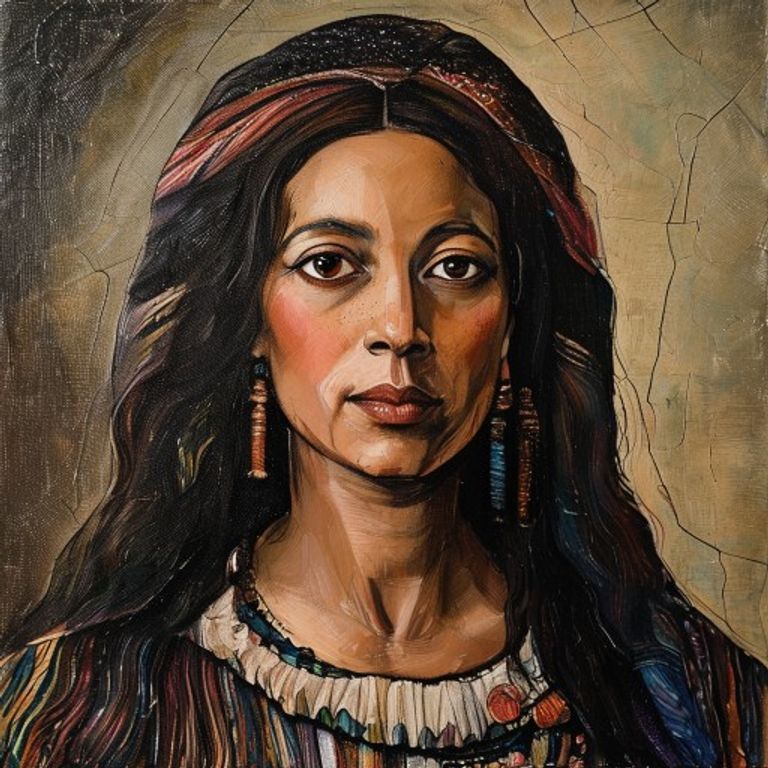
A baby who disappeared from a camping tent in 1980 in Australia; the mother claimed a dingo took the child, but she was convicted of murder before being exonerated years later.
⚠️ Research conducted with the aid of Deep Research is subject to referential ambiguity.
🖥️ Clean HTML code using a proprietary tool.
👥 Research by Guilherme Felipe, Curation by Sílvio Lôbo
The Mystery of the Dingo's Den: The Azaria Chamberlain Case
On August 17, 1980, the vast and unforgiving Australian outback became the stage for one of the most chilling and divisive mysteries in modern history. At the Uluru (formerly Ayers Rock) campsite, little Azaria Chamberlain, only nine weeks old, vanished from her tent. What followed was a saga of grief, distrust, and an incessant search for answers that shook the nation and exposed the flaws in a judicial system that, for many, convicted the innocent.
The Context and the Incident: A Shadow in the Outback
The Chamberlains, Lindy and Michael, members of the Seventh-day Adventist Church, were camping at the iconic Uluru-Kata Tjuta National Park. It was a leisure trip, abruptly interrupted by a scream of terror that echoed through the arid night. Lindy Chamberlain reported hearing a noise coming from the tent where she was nursing Azaria. Upon investigating, she saw a dingo, a wild predator native to Australia, leaving the tent with an object in its jaws. Azaria had disappeared.
Timeline of Events: A Dark Chronology
- August 17, 1980, around 8:00 PM: Azaria Chamberlain is fed and put to sleep in her tent.
- August 17, 1980, around 9:30 PM: Lindy Chamberlain hears a noise, sees a dingo leaving the tent with an object in its jaws, and realizes Azaria is missing.
- August 17, 1980, night and early morning: Start of the desperate search for Azaria, led by other campers and, subsequently, the police.
- August 18, 1980: The official search continues. A blood-stained baby jumpsuit is found near a dingo den.
- August 24, 1980: Azaria Chamberlain's body is never fully recovered.
- 1980-1982: Police investigations and growing suspicion regarding the parents.
- October 29, 1982: Lindy Chamberlain is convicted of murder and Michael Chamberlain of being an accessory.
- 1986: Discovery of new evidence, including Azaria's baby matinee jacket, which strengthens the dingo attack theory.
- 1986-1988: Appeals and new trials.
- 1988: Lindy Chamberlain is released from prison, and the convictions are overturned.
- 2002: A coroner officially confirms that Azaria was attacked and killed by a dingo.
The Main Theories: Seeking Truth in the Silence
The Dingo Thesis (Confirmed Official Hypothesis)
This is the theory that eventually prevailed. The logic is straightforward: a dingo, attracted by the scent of a baby, entered the tent, grabbed Azaria, and carried her away. The jumpsuit found, the bite marks, and the natural behavior of dingoes to attack small, vulnerable prey support this hypothesis. Reports from Australian wildlife experts and Lindy Chamberlain's own initial statement substantiate this explanation.
The Murder Theory (Initial Police Hypothesis)
The police initially suspected that the parents, particularly Lindy, had killed Azaria and staged the dingo attack. The logic behind this theory at the time was multifaceted:
- Lack of a complete body: The absence of a whole body was viewed as suspicious, suggesting the parents had disposed of it.
- Parents' behavior: Lindy's apparent "coldness" at certain moments was misinterpreted as a lack of grief or evidence of guilt.
- Prayer and faith: The family's religious nature, combined with their refusal to accept the official version initially, raised suspicions in a more secularized society.
- Circumstantial evidence: The blood-stained jumpsuit, interpreted as a local "crime scene" rather than the result of a dingo attack dragging the child away.
This theory, widely fueled by distrust and biased interpretations of the evidence, led to the trial and conviction of Lindy Chamberlain.
Alternative and Conspiracy Theories
Although less supported by concrete evidence, several speculations emerged:
- Murder by third parties: Some theories suggest that someone else could have taken the child, although there is no evidence pointing to this.
- Non-dingo related accident: Other hypotheses consider an unlikely accident, but without factual support.
- Church conspiracy: A more fanciful strand even suggested that the Seventh-day Adventist Church itself could be involved, but this idea lacks any basis.
Controversies and Blind Spots: The Scars of Injustice
The Chamberlain case is a case study on how media pressure, prejudice, and the failure to consider all possibilities can lead to catastrophic judicial errors.
- Interpretation of blood: The blood found on the jumpsuit was initially seen as proof of a "cut" or "wound" inflicted by the mother, rather than the result of a dingo attack dragging the child. Modern forensic science, however, would confirm that the marks were consistent with a dingo attack.
- Ignorance about dingoes: The police and prosecution seemed to have a limited understanding or intentionally ignored the predatory behavior of dingoes in the Uluru environment. Expert testimonies on the subject were minimized.
- John Hill's testimony: A camper, John Hill, reported seeing Lindy Chamberlain acting suspiciously, with something in her hands, near the tent. However, this witness later admitted to having vision problems and conceded he might have misinterpreted what he saw. This witness was crucial to the conviction.
- Disappearance of evidence: Although there is no definitive proof that crucial evidence was deliberately lost, the way certain pieces of evidence were handled and presented raised questions.
- The judge: Judge Sally Anne Little, who presided over the first trial, was criticized for her alleged bias and for allowing weak and speculative evidence to be presented.
Curiosities and Legacy: The Voice That Did Not Go Silent
The Azaria Chamberlain case left an indelible mark on Australian culture and legal history:
- Cultural Impact: The case sparked intense public debate, with the media divided between supporting the Chamberlains and accusing them. The 1988 film "A Cry in the Dark," starring Meryl Streep, brought the case to international attention.
- Legal Changes: The injustice suffered by the Chamberlains prompted reforms in the Australian judicial system, including the establishment of more rigorous procedures for case reviews and the consideration of new evidence.
- Lindy's "Grief": The way Lindy Chamberlain dealt with the tragedy was constantly scrutinized. Her apparent calm at certain moments was interpreted as insensitivity by many, but later understood as a form of resilience and trauma.
- Current Status: The case was officially closed with the confirmation of Azaria's death by a dingo in 2002. Lindy Chamberlain, after her release, sought the truth and the recognition of her innocence, which she finally obtained. She dedicated much of her life to advocating for others who were unjustly accused.
The Azaria Chamberlain case serves as a grim reminder of the fragilities of human justice and the importance of questioning, investigating thoroughly, and never accepting superficial truth when the depths of a mystery remain unexplored.



