


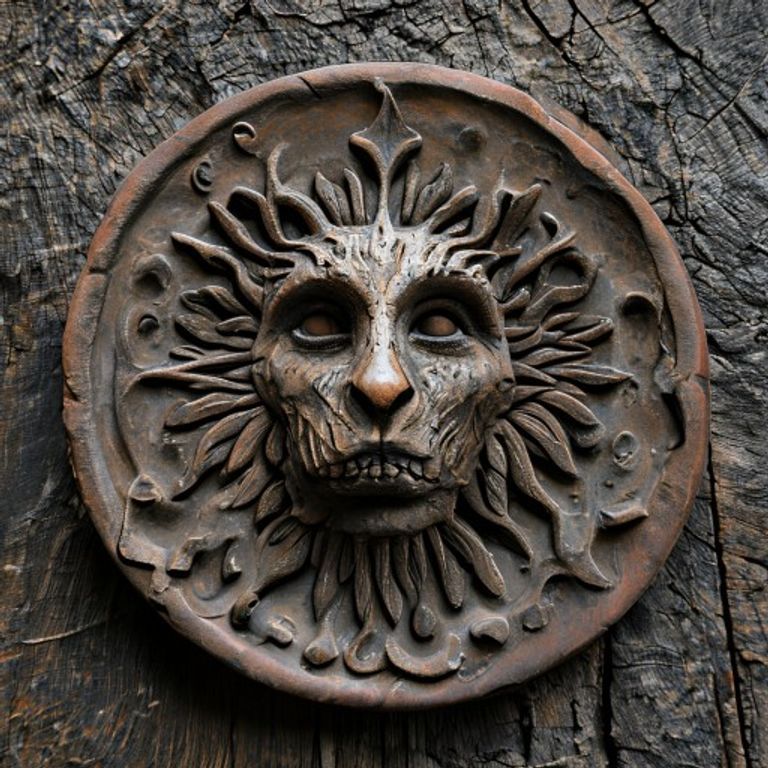
An immense and complex underground city in Turkey was meticulously excavated in antiquity with the capacity to house tens of thousands of people in a self-sustaining and safe manner.
⚠️ Research elaborated with the aid of Deep Research is subject to referential ambiguity.
🖥️Clean HTML code using a proprietary tool.
👥 Research by Guilherme Felipe, Curation by Sílvio Lôbo
Derinkuyu: The Underground City Whispering Secrets of History
Amidst the lunar landscapes of Cappadocia, Turkey, lies an ancient enigma that defies human comprehension: the underground city of Derinkuyu. This is not a mere cave, but a labyrinthine complex carved into volcanic rock, capable of housing tens of thousands of people, a silent testament to a civilization whose purpose and builders remain shrouded in veils of mystery. This investigative article delves into the depths of Derinkuyu, exploring the historical context, divergent theories, and controversies surrounding this monumental achievement.
1. The Context and the Incident: Where, When, and How the Mystery Began
The discovery of Derinkuyu, literally "deep well" in Turkish, occurred in 1963 when a local resident, while demolishing a wall in his house, revealed a secret passage leading to underground tunnels and chambers. What seemed like a simple room quickly unfolded into a vast subterranean universe, with multiple interconnected levels, winding staircases, living areas, temples, cellars, stables, and even rudimentary ventilation and drainage systems. The sheer scale of the city, believed to reach up to 60 meters deep and extend for kilometers, is simply astonishing.
The "incident" of the discovery does not refer to a crime or a single event, but rather to the revelation of a structure that defied conventional explanations of ancient human ingenuity. The existence of an entire city, carefully planned and executed in an underground environment, raised the fundamental question: who built Derinkuyu and, more importantly, why?
2. Timeline of Key Events
Although the exact date of its construction is debated, the history of Derinkuyu spans millennia:
- Pre-Hittite Period (c. 8th to 7th century BCE): Archaeological evidence suggests that the Hittites, or perhaps even earlier peoples, were the pioneers in excavating underground refuges in the region.
- Phrygian Period (c. 8th to 4th century BCE): It is believed that the Phrygians significantly expanded these initial structures, transforming them into the underground cities we know today. The legendary figure of King Midas is often associated with this period and region.
- Byzantine Period (c. 4th to 15th century CE): During invasions and persecutions, particularly from Arab forces, underground cities like Derinkuyu were extensively used as safe havens by the Christian population of Cappadocia. Historical accounts from the era mention the existence of these underground fortifications.
- Ottoman Period (c. 15th century onwards): With the end of more intense religious persecutions, the use of underground cities diminished, and many were abandoned or adapted for other purposes, such as storage.
- 1963: The accidental discovery of Derinkuyu by a local resident marks the beginning of modern exploration and public fascination.
- 1960s and 1970s: The commencement of archaeological excavations and systematic exploration by the Directorate General of Antiquities and Museums of Turkey, revealing the magnitude of the complex.
3. Main Theories
The complexity and scale of Derinkuyu have given rise to a myriad of theories, ranging from rational explanations to more daring speculations:
3.1. Rational and Archaeological Theories:
- Refuges Against Invasions and Persecutions: This is the most widely accepted theory, supported by historical and architectural evidence. Cappadocia, throughout its history, has been the scene of numerous invasions and conflicts. The underground location offered protection against military attacks, extreme weather conditions, and religious persecutions. The Byzantine period, in particular, is cited as a period of intensive use due to wars with the Arab caliphates.
- Shelter Against Climate Conditions: The Cappadocia region experiences harsh winters with snow and scorching summers. Living underground would provide an environment with a more stable temperature, protecting inhabitants from excessive cold and heat.
- Dwelling Complexes and Agricultural Storage: It is believed that, in addition to emergency refuges, these underground cities may have served as permanent settlements for parts of the population, especially during periods of relative peace, functioning as storage centers for food and wine, essential for survival.
3.2. Alternative and Speculative Theories:
- Concealment by Advanced Civilizations ( "Ancient Astronaut" Hypotheses): Some enthusiasts of extraterrestrial theories suggest that the sophistication of Derinkuyu's underground engineering, particularly the precision of the excavations and ventilation systems, could be attributed to advanced technological knowledge, possibly of alien origin. They argue that the ability to excavate and shape volcanic rock on such a scale would be far beyond the known technological capabilities of ancient civilizations.
- Lost Underground Civilizations: A variation of the previous theory, without the emphasis on aliens, suggests the existence of ancient civilizations that developed the ability to live permanently underground. These civilizations would have disappeared, leaving behind their impressive subterranean dwellings.
- Religious Rituals or Secret Cults: The existence of areas resembling temples or meeting places may lead to speculation that the underground cities were used for ritualistic purposes or secret cults, away from public view or persecuting authorities.
4. Controversies and Blind Spots
Despite extensive exploration, Derinkuyu still holds significant gaps in our understanding:
- Identity of the Original Builders: Although the Hittites and Phrygians are pointed to as probable builders, the lack of detailed inscriptions, specific artifacts, or written records directly associated with the initial construction phase makes it difficult to definitively attribute authorship of the work. The scale and antiquity of Derinkuyu suggest a massive collective effort that left no explicit "instruction manual."
- The Full Extent and Connections: It is believed that Derinkuyu is just one of many underground cities in Cappadocia, and that some of them may be interconnected by tunnels. The total extent and nature of these connections are still largely unknown, with some estimates suggesting that Derinkuyu might be just the tip of the iceberg.
- Ventilation and Drainage Systems: The ventilation systems, which bring fresh air from the outside to the depths of the city, are ingenious. However, the exact methodology and the degree of sophistication of the ancient engineers in designing and maintaining these systems are still subjects of study and admiration, with little documentation on how they were conceived.
- Physical Evidence of Permanent Habitation: Although there are designated living areas, concrete evidence that large populations lived permanently in Derinkuyu for extended periods is more deductive than proven by mass archaeological findings supporting a complete daily life.
5. Curiosities and Legacy
Derinkuyu is not just an archaeological site; it is a cultural icon and a vivid reminder of human ingenuity and resilience:
- Housing Capacity: It is estimated that Derinkuyu could house up to 20,000 people, along with their animals and supplies. This capacity is monumental for a structure excavated by hand.
- Internal Defense Systems: The massive stone doors, over a meter thick and which could be rotated on their tracks to seal passages, demonstrate sophisticated defensive planning.
- Cultural Impact: Derinkuyu attracts hundreds of thousands of tourists from around the world annually, serving as a powerful draw for historical and archaeological tourism in Turkey. The city has inspired works of fiction and documentaries, fueling continued fascination with its mysteries.
- Current Status: Derinkuyu is a UNESCO World Heritage Site (as part of the Cappadocia region) and is under the administration of the Ministry of Culture and Tourism of Turkey. While archaeological exploration continues on a smaller scale, the main focus is now on the preservation and tourist management of the already discovered area. The case itself is not an "unsolved case" in a criminal sense, but a historical and archaeological enigma that continues to challenge definitive interpretations.
The depths of Derinkuyu continue to echo with the whispers of a distant past. Each excavated tunnel, each revealed chamber, brings us a little closer to the truth, but the complete enigma of who built this subterranean marvel and why remains, for now, in the shadows of time, a silent testament to the human capacity to adapt, survive, and create, even in the face of the greatest challenges.



