


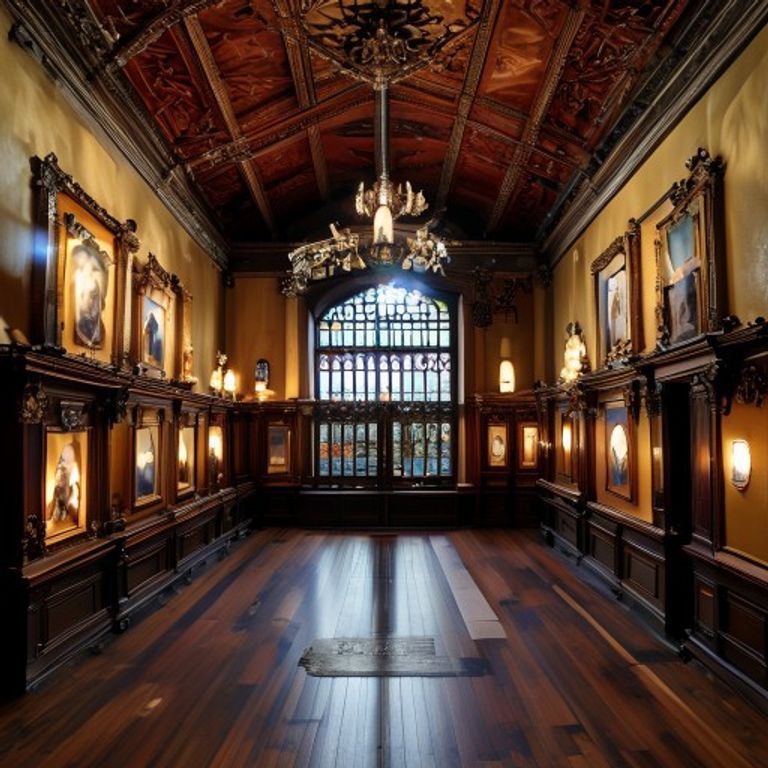
The tragedy that occurred in Rio de Janeiro in 2018, which destroyed one of the largest scientific and historical collections in the Americas, highlighting the neglect of heritage.
⚠️ Research prepared with the aid of Deep Research is subject to referential ambiguity.
🖥️ Clean HTML code using a proprietary tool.
👥 Research by Guilherme Felipe, Curation by Sílvio Lôbo
The Fire That Devoured History: Unraveling the Mystery of the National Museum Fire
The night of September 2, 2018, in Rio de Janeiro, was not just a turn of the calendar, but the harbinger of a silent tragedy that would shake Brazil's collective memory. A fire of devastating proportions took hold of the National Museum, consuming an invaluable collection in a few hours—a testament to millennia of history, science, and culture. What began as a glimpse of flames turned into a fog of ash, leaving behind not only material losses but a trail of unanswered questions, a mystery that cries out for investigation.
1. The Context and the Incident: Where, When, and How the Mystery Began
The National Museum, housed in the historic Paço de São Cristóvão in Quinta da Boa Vista, was the oldest scientific institution in Brazil and the largest natural history and anthropology museum in Latin America. Its collection, with over 20 million items, ranged from dinosaur fossils to Egyptian mummies, including a vast array of indigenous artifacts and specimens of Brazilian biodiversity. The fragility of the historic building, coupled with years of chronic underfunding, already loomed like a shadow over the preservation of its treasure. On that fateful night, around 7:30 PM, the first images of smoke and flames emanating from the building began to circulate on social media, triggering a race against time that would prove, tragically, ineffective.
2. Timeline of Events: The Night History Burned
- September 2, 2018, approximately 7:30 PM: Initial reports of a fire starting at the National Museum.
- Shortly after 7:30 PM: The first Fire Department teams arrive at the scene but find the building already engulfed in flames at several points.
- Following hours: The fire spreads rapidly, fueled by combustible materials present in the museum and the wooden structure of the historic building.
- Early morning of September 3, 2018: The fire is partially contained, but the damage is already catastrophic.
- Following days and weeks: Cleanup work and the assessment of the extent of the losses begin, revealing the magnitude of the destruction.
3. The Main Theories: Hypotheses Amidst the Ashes
The official investigation, conducted by the Rio de Janeiro Civil Police, initially sought to determine the primary cause of the fire. The theories presented varied in their probability and scope:
Official and Scientific Theories
- Short circuit: One of the strongest and most recurring hypotheses pointed to an electrical problem as the trigger. The precariousness of the wiring, which was allegedly not suitable for the current load and already showed signs of wear, was considered a crucial factor. Preliminary reports and subsequent forensic reports investigated this possibility, looking for traces of failures in the electrical system that could have started the fire.
- Projector spark: A theory raised at certain times suggested that a spark from a video projector, possibly used in an event or recent exhibition, could have come into contact with flammable material.
- Accidental ignition: Although less likely, the possibility of an accidental ignition source, such as a poorly extinguished cigarette or an exposed flame in a restricted area, was not entirely ruled out in the initial phases of the investigation.
Alternative and Conspiracy Theories
Given the magnitude of the loss and the complexity of the event, several alternative theories emerged, some bordering on the paranormal and conspiracy fields:
- Arson: The absence of a single, definitive cause at a certain point fueled the suspicion that the fire could have been intentional. The attributed motivations ranged from the need to cover up fraud or embezzlement to political disputes or hidden interests related to the property's land.
- Criminal negligence: Even without the direct intention to burn the museum, the perception of neglect and lack of investment in security and maintenance led to discussions about the criminal negligence of the authorities responsible for managing the historical heritage.
- Paranormal phenomena: Although without any scientific basis, the somber atmosphere and cultural loss led some to speculate about the influence of negative energies or paranormal events as a cause or aggravating factor of the fire, a line of thought that finds echoes in popular mysticism.
4. Controversies and Blind Spots: Clues Lost in the Flames
The investigation into the National Museum fire was marked by several points of contention and perceived failures, which fuel the aura of mystery:
- Delay in the investigation: The slowness in concluding forensic reports and releasing definitive results generated frustration and distrust.
- Destroyed evidence: The very nature of the fire, with the near-total destruction of the collection and significant parts of the building, made collecting direct evidence a Herculean challenge. Many crucial traces may have been irretrievably lost.
- Conflicting testimonies: Amidst the chaos, reports from witnesses and employees about the moments leading up to and during the fire sometimes presented inconsistencies, making it difficult to form a clear picture of the events.
- Ignored safety reports: Press reports and subsequent statements by experts pointed to the existence of previous safety reports that warned of imminent fire risks due to the precariousness of electrical installations and the lack of adequate fire-fighting systems. The apparent lack of action in the face of these warnings is one of the most criticized points.
5. Curiosities and Legacy: The Scar on Memory
The National Museum fire transcended the scope of tragedy and became a symbol of the fragility of Brazilian cultural heritage and the urgent need for effective public policies for its preservation. The cultural impact is immeasurable, with the loss of unique pieces that represented centuries of history and research. The legacy of this case is a constant call to reflect on the importance of memory and the collective responsibility in its safeguarding.
The reconstruction of the National Museum has been an arduous and slow process, marked by fundraising campaigns and a joint effort to rebuild what was lost. The mystery of the exact causes of the fire, although the police at one point pointed to a short circuit as the most likely cause, continues to loom like a ghost, a reminder that, amidst the ashes, questions still remain not fully answered.



