


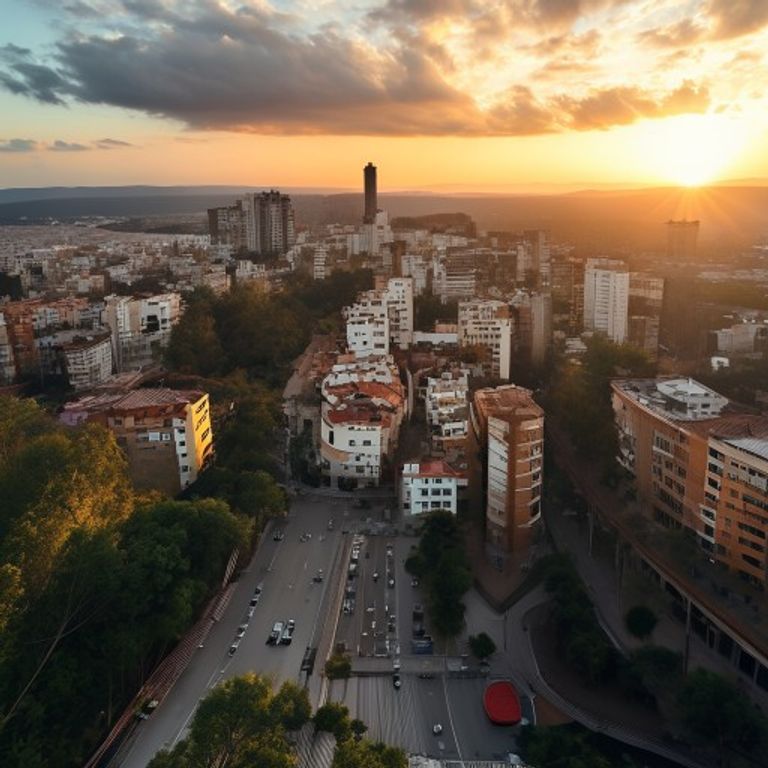
A city that served as inspiration for poets like Olegário Mariano and has historically been frequented by various intellectuals seeking the ideal environment for literary creation in the mountain climate.
Teresópolis: Writing in the Clouds – An Investigation of the Mountain Literary Scene
As a researcher and cultural journalist, exploring the literary scene of Teresópolis means understanding that the city is not just a winter refuge, but a vibrant incubator of voices that challenge geographical isolation and the silencing of the mass publishing market. If the air is thin at the top of the Serra dos Órgãos, the local literary production is dense and oxygenated by a new generation of authors.
1. Roots and Tradition: The Cradle of the Empress and the Poets' Refuge
Teresópolis was born under the influence of romanticism and the presence of the imperial family. The city's name itself is a tribute to Empress Teresa Cristina, and this connection with nobility shaped a literary tradition focused on historical preservation and lyrical poetry.
Key Figures
The city's literary foundation rests on names like Adelmar Tavares (1888-1963), the "Prince of Brazilian Poets," who had a deep connection with the city and immortalized it in his verses. Another central figure is the historian and memorialist George March, whose founding of the Santo Antônio farm gave rise to the municipality, serving as an inexhaustible source for chronicles about English colonization in the mountains.
The Teresopolitan Academy of Letters (ATL), founded in 1982, is the guardian of this tradition, having had among its members and collaborators names like Nilo Peçanha (son of the president) and, more recently, the perennial influence of Waldyr de Paula, one of the region's greatest historians.
2. The Contemporary Scene: The Awakening of the Mountain "Underground"
If tradition is the foundation, the present is marked by decentralization. Literature in Teresópolis today doesn't just happen in the halls of the ATL, but in cafes, squares, and social media.
Independent Authors and Rising Voices
The research identifies a vigorous movement of authors who self-publish or use small niche publishers:
-
Andrea Viviana Taubman: One of the strongest names in current children's and young adult literature. Although she circulates nationally, her productive and thematic base often dialogues with education and childhood in the mountains. Her works, such as O Menino que só via o Amanhã (2024), are references.
-
Claudio Ferreira: Writer and historian who has dedicated himself to rescuing the "B-side" of Teresópolis. His recent work focuses on chronicles that humanize marginal figures in local history.
-
Ana Maria de Andrade: Poet and cultural enthusiast, Ana moves between academia and popular poetry readings, keeping the flame of lyrical poetry alive with a contemporary touch.
-
Thiago Ligiéro: Representative of the new generation, Ligiéro works with visceral and urban poetry, escaping the city's bucolic stereotype.
Collectives and Movements
-
Sarau do Casarão: An event that takes place periodically at the Casa de Cultura Adolpho Bloch, serving as a stage for amateur poets and independent writers to test their texts.
-
Fanzine "Serra em Verso": An independent initiative that circulates in digital and print formats (in limited editions), focusing on the "do-it-yourself" aesthetic and marginal poetry.
-
GRIOT Collective: A group dedicated to storytelling and valuing literature of African origin, essential for diversifying the city's literary scene, which is traditionally Eurocentric.
Small and Local Publishers
Highlighting Editora Barlavento, which, although small, has given space to regional authors, and the strong performance of Editora Literarte, which promotes anthologies where small writers from Teresópolis achieve their first physical publication.
3. Themes and Works: Between the Mountain and the Inner Self
The literature produced in Teresópolis today can be divided into three predominant thematic axes:
-
Ecology and Preservation: Influenced by the Serra dos Órgãos National Park, authors like Edinar Corradini explore the man-nature relationship, treating the mountain not as a backdrop, but as a character.
-
Healing and Introspection Literature: The mountain climate fosters introspective writing. Genres like haiku and existentialist poetry are recurrent in recent works by authors such as Zélia Ferreira.
-
Rescuing Oral Memory: There is an effort by independent writers to record the "Teresópolis that disappeared," focusing on urban transformations after the 2011 tragedy, which profoundly marked the local literary psyche.
Examples of recent works (2024-2025):
-
As Vozes da Floresta (Collective of Mountain Poets, 2025)
-
Neblina sobre o Dedo de Deus – Claudio Ferreira (Chronicles, 2024)
-
Haikus de Inverno – Various Authors (Independent anthology organized at a local poetry reading, 2025)
Important Note: Teresópolis is frequently cited in works by 19th-century travelers, such as in the diaries of Maria Graham and in passages by Euclides da Cunha, who saw in the mountains a civilizational contrast necessary for Brazil.
References and Sources:
-
Teresopolitan Academy of Letters (ATL): Minutes and member catalog (Consulted in March 2026).
-
Portal Terê: Culture and local book launches section (2024-2026).
-
O Diário de Teresópolis Newspaper: Literary columns and event coverage at the Casa de Cultura Adolpho Bloch.
-
Blog "Cultura na Serra": Interviews with independent authors from Teresópolis (Accessed in April 2026).
-
Literarte Catalog: Regional Anthologies section (2025 Edition).
⚠️ Research conducted with the aid of Deep Research is subject to referential ambiguity.
🖥️Clean HTML code using a proprietary tool.
👥 Research by Guilherme Felipe, Curation by Sílvio Lôbo
Teresópolis: Writing in the Clouds – An Investigation of the Mountain Literary Scene
As a researcher and cultural journalist, exploring the literary scene of Teresópolis means understanding that the city is not just a winter refuge, but a vibrant incubator of voices that challenge geographical isolation and the silencing of the mass publishing market. If the air is thin at the top of the Serra dos Órgãos, the local literary production is dense and oxygenated by a new generation of authors.
1. Roots and Tradition: The Cradle of the Empress and the Poets' Refuge
Teresópolis was born under the influence of romanticism and the presence of the imperial family. The city's name itself is a tribute to Empress Teresa Cristina, and this connection with nobility shaped a literary tradition focused on historical preservation and lyrical poetry.
Key Figures
The city's literary foundation rests on names like Adelmar Tavares (1888-1963), the "Prince of Brazilian Poets," who had a deep connection with the city and immortalized it in his verses. Another central figure is the historian and memorialist George March, whose founding of the Santo Antônio farm gave rise to the municipality, serving as an inexhaustible source for chronicles about English colonization in the mountains.
The Teresopolitan Academy of Letters (ATL), founded in 1982, is the guardian of this tradition, having had among its members and collaborators names like Nilo Peçanha (son of the president) and, more recently, the perennial influence of Waldyr de Paula, one of the region's greatest historians.
2. The Contemporary Scene: The Awakening of the Mountain "Underground"
If tradition is the foundation, the present is marked by decentralization. Literature in Teresópolis today doesn't just happen in the halls of the ATL, but in cafes, squares, and social media.
Independent Authors and Rising Voices
The research identifies a vigorous movement of authors who self-publish or use small niche publishers:
-
Andrea Viviana Taubman: One of the strongest names in current children's and young adult literature. Although she circulates nationally, her productive and thematic base often dialogues with education and childhood in the mountains. Her works, such as O Menino que só via o Amanhã (2024), are references.
-
Claudio Ferreira: Writer and historian who has dedicated himself to rescuing the "B-side" of Teresópolis. His recent work focuses on chronicles that humanize marginal figures in local history.
-
Ana Maria de Andrade: Poet and cultural enthusiast, Ana moves between academia and popular poetry readings, keeping the flame of lyrical poetry alive with a contemporary touch.
-
Thiago Ligiéro: Representative of the new generation, Ligiéro works with visceral and urban poetry, escaping the city's bucolic stereotype.
Collectives and Movements
-
Sarau do Casarão: An event that takes place periodically at the Casa de Cultura Adolpho Bloch, serving as a stage for amateur poets and independent writers to test their texts.
-
Fanzine "Serra em Verso": An independent initiative that circulates in digital and print formats (in limited editions), focusing on the "do-it-yourself" aesthetic and marginal poetry.
-
GRIOT Collective: A group dedicated to storytelling and valuing literature of African origin, essential for diversifying the city's literary scene, which is traditionally Eurocentric.
Small and Local Publishers
Highlighting Editora Barlavento, which, although small, has given space to regional authors, and the strong performance of Editora Literarte, which promotes anthologies where small writers from Teresópolis achieve their first physical publication.
3. Themes and Works: Between the Mountain and the Inner Self
The literature produced in Teresópolis today can be divided into three predominant thematic axes:
-
Ecology and Preservation: Influenced by the Serra dos Órgãos National Park, authors like Edinar Corradini explore the man-nature relationship, treating the mountain not as a backdrop, but as a character.
-
Healing and Introspection Literature: The mountain climate fosters introspective writing. Genres like haiku and existentialist poetry are recurrent in recent works by authors such as Zélia Ferreira.
-
Rescuing Oral Memory: There is an effort by independent writers to record the "Teresópolis that disappeared," focusing on urban transformations after the 2011 tragedy, which profoundly marked the local literary psyche.
Examples of recent works (2024-2025):
-
As Vozes da Floresta (Collective of Mountain Poets, 2025)
-
Neblina sobre o Dedo de Deus – Claudio Ferreira (Chronicles, 2024)
-
Haikus de Inverno – Various Authors (Independent anthology organized at a local poetry reading, 2025)
Important Note: Teresópolis is frequently cited in works by 19th-century travelers, such as in the diaries of Maria Graham and in passages by Euclides da Cunha, who saw in the mountains a civilizational contrast necessary for Brazil.
References and Sources:
-
Teresopolitan Academy of Letters (ATL): Minutes and member catalog (Consulted in March 2026).
-
Portal Terê: Culture and local book launches section (2024-2026).
-
O Diário de Teresópolis Newspaper: Literary columns and event coverage at the Casa de Cultura Adolpho Bloch.
-
Blog "Cultura na Serra": Interviews with independent authors from Teresópolis (Accessed in April 2026).
-
Literarte Catalog: Regional Anthologies section (2025 Edition).
⚠️ Research conducted with the aid of Deep Research is subject to referential ambiguity.
🖥️Clean HTML code using a proprietary tool.
👥 Research by Guilherme Felipe, Curation by Sílvio Lôbo



