


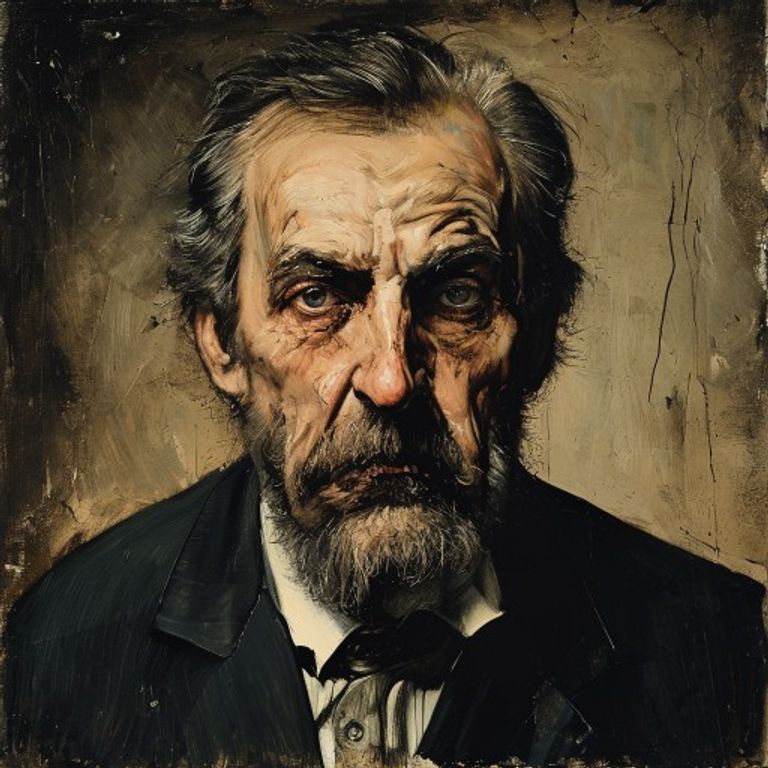
The never-identified killer who, in the 1930s, left dismembered bodies in poor areas of the city; the case became famous for Eliot Ness's failure to solve it and the almost surgical precision of the cuts.
⚠️ Research conducted with the aid of Deep Research is subject to referential ambiguity.
🖥️ Clean HTML code using a proprietary tool.
👥 Research by Guilherme Felipe, Curation by Sílvio Lôbo
The Cleveland Torso Murderer: Seeking Truth Under the Shadow of Doubt
Cleveland, Ohio, in the 1930s and 1940s. A period of uncertain prosperity and shadows lengthening on the streets of a growing metropolis. It was in this setting that a real-life nightmare unfolded, one that would defy logic, police expertise, and leave a trail of blood and mystery that persists to this day. The "Cleveland Torso Murderer," or "Mad Butcher" as he became known, not only haunted the city with his brutal crimes but also exposed glaring flaws in the investigation and opened the door to theories bordering on the implausible.
1. The Context and the Incident: The Dismembered Terror
The first mutilated body was discovered on September 14, 1935, on the banks of the Cuyahoga River, in Cleveland. The victim, later identified as Edward Brad Mery, a homeless man, had been dismembered with macabre precision. What shocked the authorities and the local population was not just the violence, but the way the body was treated: the head was decapitated and separated from the torso, and other limbs were surgically amputated. From then on, terror took hold. The victims were mostly homeless men and women living in the poorest and most forgotten areas of the city, which, in a way, hindered initial identification and public perception of the gravity of the crimes.
The modus operandi would repeat itself, with the killer demonstrating an alarming knowledge of anatomy and an absolute disregard for human life. The bodies were abandoned in public places, as if they were a sinister message to the city. The press, eager for sensationalism, coined the nickname "Cleveland Torso Murderer," fueling panic and speculation.
2. Timeline of Key Events
- September 14, 1935: Discovery of the first dismembered body of Edward Brad Mery in the Cuyahoga River.
- 1936-1937: Other macabre discoveries occur, with mutilated bodies of Johnny Doherty, Frank Minter, and Cecil Kirby. The precision in the amputations becomes a trademark.
- 1938: The number of victims increases. Police intensify the search, but the killer seems immune to the pressure.
- 1939: The case gains national notoriety. The Cleveland police, under the command of Chief Eliot Ness (famous for fighting Al Capone), take over the investigation with more resources.
- 1939-1940: Despite the efforts of Ness and his team, including the creation of a public "court" to collect information, the killer remains anonymous.
- June 20, 1939: John Mory, 30, homeless, is found dismembered in a clandestine lodging.
- 1942: The case "goes cold" after a series of arrests of suspects that do not materialize. World War II diverts public attention and resources.
- 1950: A new body, that of Ralph Vancuren, is found mutilated, briefly reigniting fear.
3. Main Theories
The disconcerting nature of the Cleveland Torso Murderer's crimes gave rise to several theories, each trying to fill the gaps left by the investigation.
Police and Scientific Theories (Most Likely)
- The Lone, Experienced Killer: This is the hypothesis most accepted by authorities. It suggests that the killer was a lone individual with medical or butcher knowledge, capable of performing the amputations precisely. The lack of witnesses and the nature of the victims, often isolated, would have facilitated his actions. The difficulty in connecting the crimes to a single individual lies in the lack of fingerprints or other consistent forensic traces at the time.
- Serial Killer in Disguise: The possibility that the killer operated in different areas of the city, possibly using disguises or changing his appearance, is also considered. The lack of a clear geographical pattern between the body discoveries may indicate this mobility.
Alternative and Conspiracy Theories
- Dr. Francis E. Sweeney: A doctor who had his license revoked for illegal abortion practices and lived in Cleveland at the time. The anatomical precision of the crimes led some to speculate that he could be responsible. However, there was never concrete evidence linking Sweeney to the murders.
- "Voodoo" and Rituals: Some less substantiated theories suggest a ritualistic component to the crimes, with the use of body parts in voodoo or black magic practices. This hypothesis lacks any factual support and is based on cultural assumptions.
- Involvement of Powerful People: There are whispers about the possibility that the killer had connections to influential figures in the city, which would have hindered the official investigation to protect certain individuals or institutions. This is a classic conspiracy theory, with no basis in declassified documents or concrete testimony.
Paranormal Theories
- Supernatural Entities: In cases of unsolved mysteries, the supernatural always finds a space. Some speculations, although without any scientific basis, suggest the action of demonic entities or spirits that would induce or commit the crimes. These theories are based on beliefs and not on investigations.
4. Controversies and Blind Spots
The investigation into the Cleveland Torso Murderer is full of blind spots and controversies that perpetuate the mystery.
- Lack of Concrete Forensic Evidence: In the 1930s, forensic techniques were rudimentary. The lack of DNA, consistent fingerprints, and other modern scientific analyses left the investigation dependent on testimony and deductions.
- Focus on Marginalized Victims: The nature of the victims, mostly homeless, may have led to a less rigorous investigation in the early years, as public and police attention was directed toward crimes affecting higher classes.
- Preservation of Evidence: Reports indicate that, in some cases, crucial evidence may not have been properly preserved or even lost over time, which is common in old investigations that suffered from personnel changes and file mismanagement.
- The Heavy Focus on Unfounded Suspects: During the investigation, several suspects were interrogated and even arrested, but no case held up in court. This generated frustration and speculation about whether the police were on the right track. One of the most prominent suspects at the time was butcher Frank Dolezal, but he was acquitted and subsequently died under mysterious circumstances.
- Eliot Ness's "Solution": Although Eliot Ness led the investigation with dedication, the case remained unsolved under his management. Some criticize his tactics and the lack of a concrete outcome during his command.
5. Curiosities and Legacy
The Cleveland Torso Murderer case transcended police headlines to become a landmark in the history of crime in the United States.
- Impact on Media and Fear: The nickname "Cleveland Torso Murderer" and the brutality of the crimes created a climate of fear in the city and inspired countless suspense and horror stories. The press played a crucial role in spreading the panic.
- Inspiration for Fiction: The case served as inspiration for books, films, and series, fueling public fascination with unsolved mysteries and serial killers.
- The Legacy of Mystery: To this day, the Cleveland Torso Murderer case remains unsolved. Although there are suspects and theories, no definitive proof has emerged to convict anyone. Official reports remain in archives, and the community of cold case researchers continues to debate and analyze the few clues available.
- Declassification of Files: At different times, some files related to the case were declassified, but they did not reveal the killer's identity. However, these documents provide glimpses into the desperation of the time and the complexities of the investigation.
- The "Torso Killer" Sculpture: In 1937, in response to the crimes, a sculptor named Ben Spock created a sculpture made of scrap metal called "Torso Killer," symbolizing the horror and anguish of the city.
The Cleveland Torso Murderer is a grim reminder that, no matter how advanced society becomes, some enigmas remain, challenging logic and forcing us to confront the darkest corners of human nature and the flaws of our justice systems. The truth, like the fate of his victims, may have been dismembered and scattered, lost forever in the shadows of Cleveland.



